
Spend Smart, Style Well
Creating a beautiful home isn’t necessarily a big budget to spend. It’s about knowing where your money will make the greatest difference and where a more affordable choice can work just as well.
Every room benefits from a balance of investment pieces, practical purchases and thoughtful details. The key is understanding what you’re paying for, how something will be used and whether that extra expense will genuinely improve the finished space.
Invest in the Things You Use Every Day
Some purchases have a much greater impact on daily life than others.
A sofa is a good example. It’s one of the hardest-working pieces of furniture in most homes, so comfort, construction and fabric quality all matter. A well-made sofa with a supportive frame and durable upholstery can retain its shape and appearance for years, making it worth considering as a longer-term investment.
The same principle applies to bed frames, dining tables and chair; these are put through their paces with regular use. Spending more isn’t automatically better, but paying for quality where it affects comfort, performance and durability can be worthwhile.
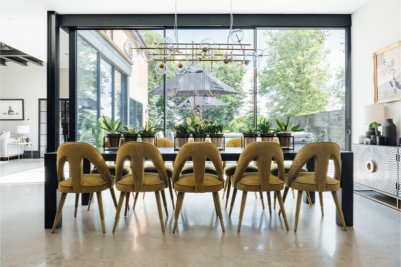
The Pigalle Chair from Olivias is a great example of a good investment. While being stylish, it brings comfort and colour into your home. This quality piece will last and you’ll have plenty of time to enjoy one of its most luxurious features: its velvet covered legs. You can see it in our project here working wonderfully with the chunky black dining table.
Where Can You Save Without Compromising on Style?
Not everything needs to be an investment piece.
Occasional furniture, decorative accessories and smaller finishing touches can often be sourced at more accessible price points without affecting the overall look of a room.
A simple side table might work beautifully alongside a more expensive sofa, while an affordable vase or lamp can introduce shape, colour and character.
It’s often the combination of pieces that creates a successful interior, rather than the individual price tags.
This is particularly useful when you’re experimenting with a new colour or style. Smaller, less expensive items give you flexibility to make changes without replacing the larger elements of your scheme.
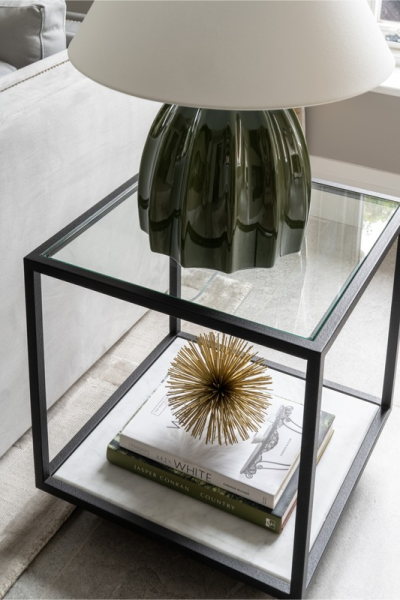
We love the Pols Potten Prickle Decoration from John Lewis, and you can see it here in a client project of ours. It’s an affordable piece that brings something a little special to the room, and the small burst of gold complements the similar shades in the room and stands out against the blacks and neutrals.
Bespoke or Off-the-Shelf?
Bespoke furniture and fittings can be wonderful, but they’re not always necessary.
The real advantage of bespoke design is the ability to create something specifically for your space and the way you live. Made-to-measure cabinetry, for example, can maximise awkward areas, provide storage tailored to your belongings and create a seamless finish. However, if standard-sized furniture works well in your room, an off-the-shelf option may deliver everything you need.
The important question is whether the additional cost provides a genuine benefit.
Bespoke is particularly worth considering when you’re solving a specific problem, rather than simply choosing it because it feels more luxurious.
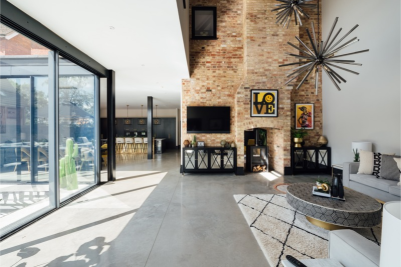
Here is an example of where a bespoke design was the better option for our client. There are 2 very differently sized alcoves either side of the fireplace, but with 2 different sizes of sideboard in the made in the same style, the unequal size feels far less obvious and allows the room to be seen as a whole rather than the eye being drawn to that aspect.
What Are You Actually Paying For?
Two products can look remarkably similar in photographs but perform very differently over time.
Differences in price may reflect the materials, manufacturing methods, construction, finish or level of customisation. Sometimes you’re paying for better craftsmanship or durability; sometimes the difference is largely aesthetic.
Consider curtains, for example. Ready-made curtains can be an excellent option, particularly for standard-sized windows. Made-to-measure curtains offer greater control over fabric, fullness, lining and finished length, which can make a noticeable difference to how they hang.
Neither is automatically the right choice.
Understanding what changes between price points helps you decide whether those differences matter in your particular home.
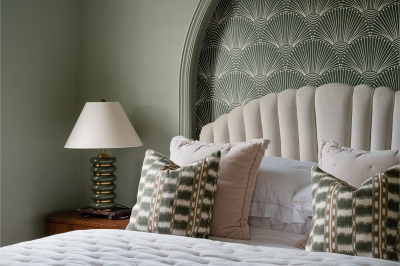
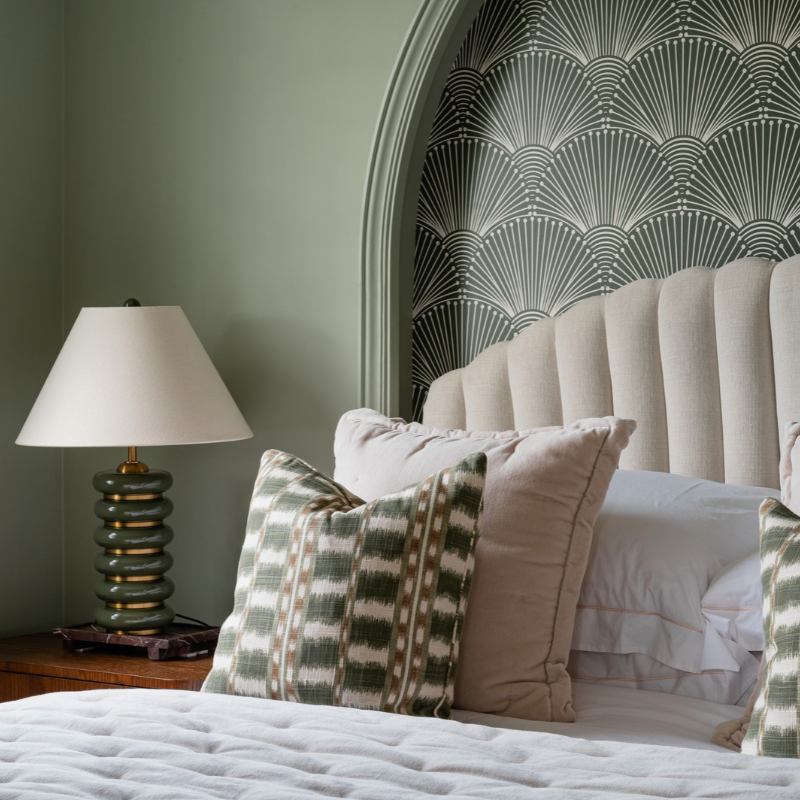
Here we have used the Greyson Table Lamp from Soho Home. This high end lamp was the perfect investment in this client project. It is a gorgeous style, and a versatile piece but it was the green tone that made it perfect to go with the art deco green wallpaper and brings it the whole room together and making it a worthwhile investment.
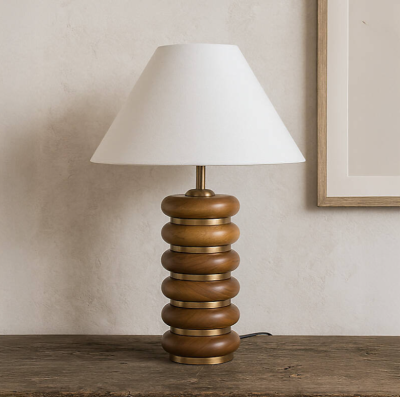
A similar version is available on the high street: The Khudi and Khora West Natural Table Light from B&Q. A similar look if that’s the style you like, with a more budget friendly price tag.
Spend With Purpose, Not Just a Budget
Perhaps the most important part of designing a home is deciding what matters most to you.
If you love entertaining, a beautiful dining table might deserve a larger share of your budget. If you spend your evenings reading, comfortable seating and carefully considered lighting could be more valuable.
And sometimes the best decision is not to buy anything new at all. Reusing furniture, updating existing pieces or simply reconsidering a room’s layout can make a surprising difference.
A thoughtfully designed home isn’t one where everything is expensive. It’s one where each choice has a reason behind it, and where your investment reflects the way you want to live.
Remember to follow us on Facebook for more interior design ideas.