
The Art of Layering in Interior Design
Layering is one of the most effective ways to create depth, warmth, and personality in your home. It’s what makes a room feel lived-in and comfortable rather than flat or unfinished. When you walk into a well-layered space, it doesn’t shout for attention — it quietly draws you in.
True layering isn’t about adding more things; it’s about combining materials, tones and light in a way that feels harmonious and balanced. Here’s how to achieve that look in your own home.
Start with a Strong Foundation
Begin with the big elements — walls, flooring and larger pieces of furniture. These form your base layer and set the tone for everything that follows. Whether you prefer soft neutrals or deep, cocooning shades, aim for cohesion rather than contrast.
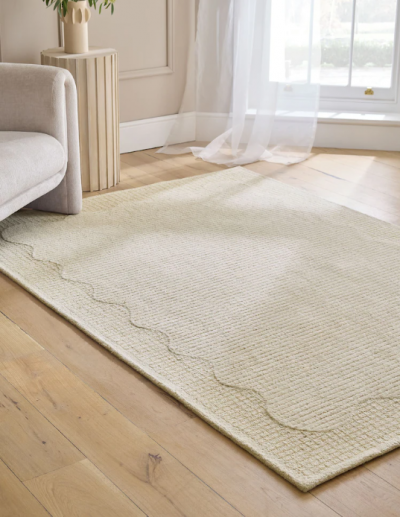
Adding texture here is key: think timber floors with a natural grain, boucle or linen upholstery, or a statement rug underfoot. These foundational choices immediately add warmth and visual interest.
We love the Natural Sophisticated Border Rug from Next which gives us the layer and texture that we want, but is also visually interesting with the border detail that sets it apart.
Layer Your Textures
Texture gives a room depth and soul. A velvet cushion against a linen sofa, a woven basket beside smooth cabinetry, or a wool throw draped over a leather chair — each adds richness and contrast.
To keep things balanced, vary texture by type and scale: mix coarse with smooth, matte with soft sheen, and solid with fluid. Natural materials like wood, rattan and wool always bring a sense of calm.
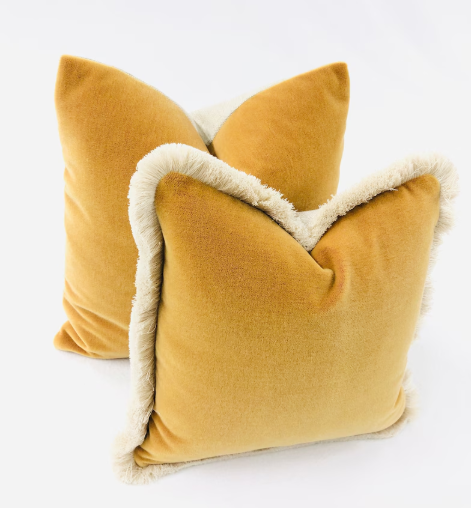
It is worth us mentioning mohair velvet here. Although it’s not widely available, the Angora goat’s fleece that it is made from has a lovely long pile, is super soft and tactile. It’s worth seeking out mohair velvet upholstery, not just for the feel, hard wearing nature and luxury aesthetic.
We love the Mustard Yellow Mohair Velvet Pillow Cover from Etsy. The fabric is high end and gorgeous, plus the decorative edge adds an additional texture as well as a little fun. A great pop of colour to add on a dark sofa or chair.
Play with Light and Shadow
Lighting is an essential part of layering. Different sources — from table lamps and wall sconces to candles and fairy lights — create warmth and dimension. A well-lit corner feels welcoming, while soft shadows add intimacy.
If you’re updating your lighting, think in layers too:
- Ambient light to illuminate the space evenly
- Task lighting for focus areas
- Accent lighting to highlight art or architectural details
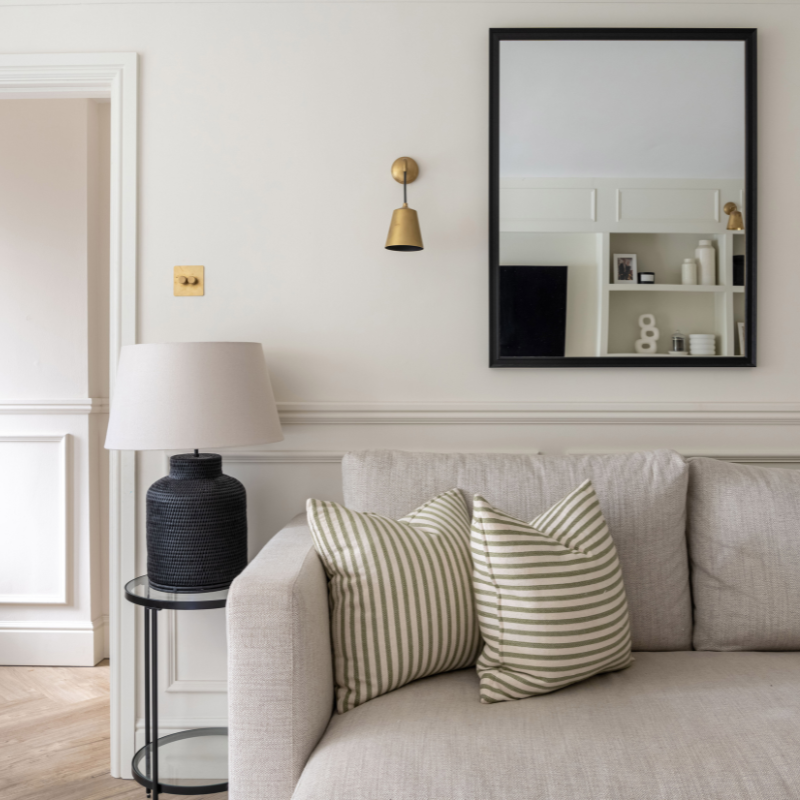
We included the Black Ratten Tea Caddy Lamp from Cowshed Interiors in a client’s home, and it works wonderfully with the other black and neutral tones in the room, as well as providing ambient light when needed.
Layer with Colour and Pattern
Colour can be layered just as effectively as texture. Use tonal variations of a single hue — from pale to deep — for a calm, cohesive look. This tone-on-tone approach gives the same visual interest as bold colour without overwhelming the senses.
If you love pattern, keep it in the same colour family so it feels coordinated rather than chaotic. Layering in this way creates harmony and makes your home feel timeless.
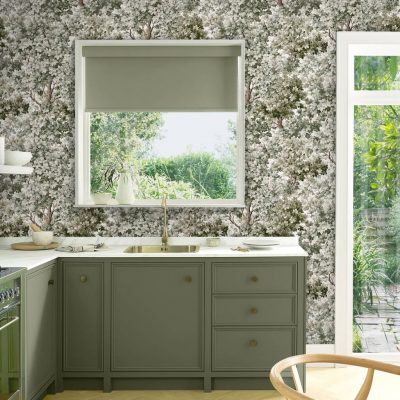
We love Graham & Brown’s Coppice Sage Wallpaper; it’s bold pattern makes a lovely feature wall alongside a green and neutral tones, and brings a touch of calming nature to the room.
Add the Finishing Touches
The final layer is all about atmosphere — the pieces that make your home feel personal. Add art that reflects your personality, mirrors to bounce light, plants for freshness, and scent for mood.
Layered interiors appeal to all the senses. A soft rug underfoot, the flicker of candlelight, and a hint of seasonal fragrance all contribute to a space that feels complete and comforting.
Creating a layered interior isn’t about perfection or following a formula. It’s about building depth, comfort and authenticity into your home — one thoughtful choice at a time. Start with texture and light, add personality through colour and accessories, and soon your space will have that effortless, inviting feel that makes you want to stay a little longer. For more interior design ideas and inspiration, follow us on Facebook.