The Art of Layering in Interior Design

Layering is one of the most effective ways to create depth, warmth, and personality in your home. It’s what makes a room feel lived-in and comfortable rather than flat or unfinished. When you walk into a well-layered space, it doesn’t shout for attention — it quietly draws you in.

True layering isn’t about adding more things; it’s about combining materials, tones and light in a way that feels harmonious and balanced. Here’s how to achieve that look in your own home.

Start with a Strong Foundation

Begin with the big elements — walls, flooring and larger pieces of furniture. These form your base layer and set the tone for everything that follows. Whether you prefer soft neutrals or deep, cocooning shades, aim for cohesion rather than contrast.

Adding texture here is key: think timber floors with a natural grain, boucle or linen upholstery, or a statement rug underfoot. These foundational choices immediately add warmth and visual interest.

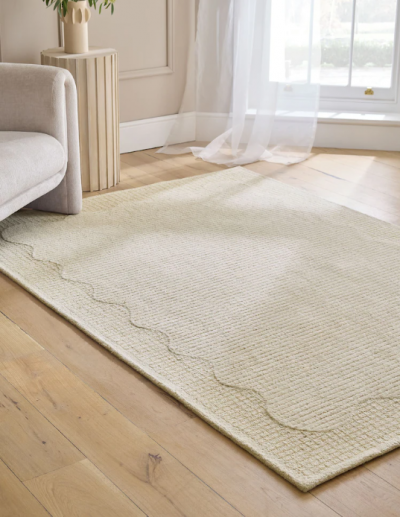
We love the Natural Sophisticated Border Rug from Next which gives us the layer and texture that we want, but is also visually interesting with the border detail that sets it apart.
Layer Your Textures

Texture gives a room depth and soul. A velvet cushion against a linen sofa, a woven basket beside smooth cabinetry, or a wool throw draped over a leather chair — each adds richness and contrast.

To keep things balanced, vary texture by type and scale: mix coarse with smooth, matte with soft sheen, and solid with fluid. Natural materials like wood, rattan and wool always bring a sense of calm.

It is worth us mentioning mohair velvet here. Although it’s not widely available, the Angora goat’s fleece that it is made from has a lovely long pile, is super soft and tactile. It’s worth seeking out mohair velvet upholstery, not just for the feel, hard wearing nature and luxury aesthetic.

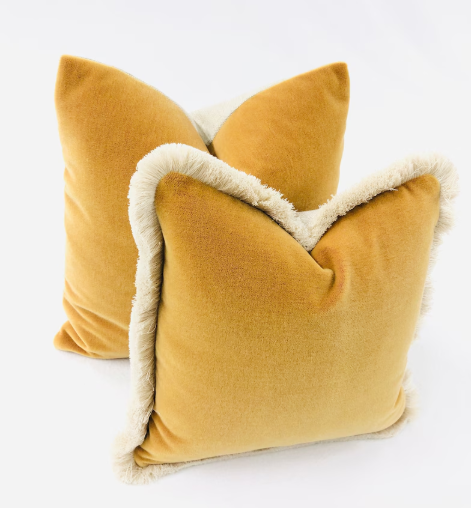
We love the Mustard Yellow Mohair Velvet Pillow Cover from Etsy. The fabric is high end and gorgeous, plus the decorative edge adds an additional texture as well as a little fun. A great pop of colour to add on a dark sofa or chair.
Play with Light and Shadow

Lighting is an essential part of layering. Different sources — from table lamps and wall sconces to candles and fairy lights — create warmth and dimension. A well-lit corner feels welcoming, while soft shadows add intimacy.

If you’re updating your lighting, think in layers too:

  • Ambient light to illuminate the space evenly
  • Task lighting for focus areas
  • Accent lighting to highlight art or architectural details

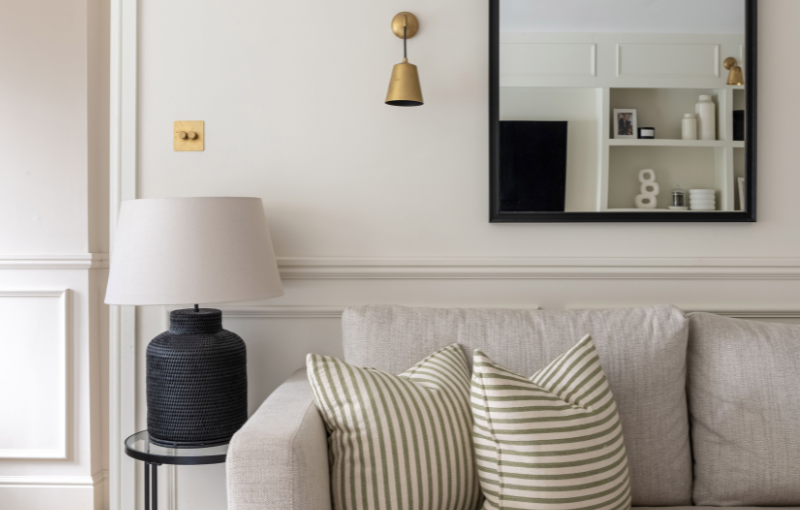
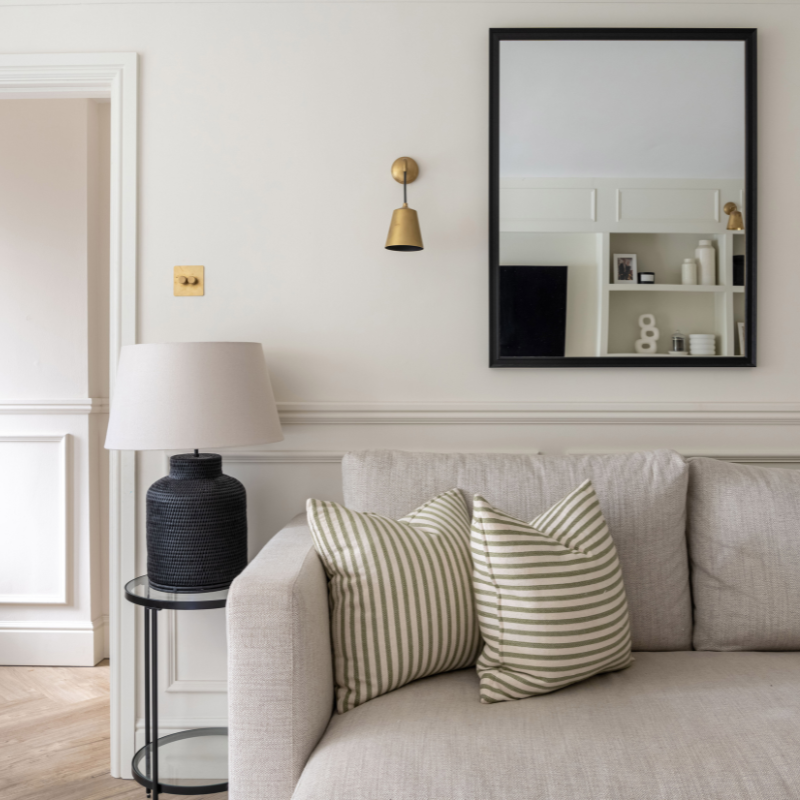
We included the Black Ratten Tea Caddy Lamp from Cowshed Interiors in a client’s home, and it works wonderfully with the other black and neutral tones in the room, as well as providing ambient light when needed.
Layer with Colour and Pattern

Colour can be layered just as effectively as texture. Use tonal variations of a single hue — from pale to deep — for a calm, cohesive look. This tone-on-tone approach gives the same visual interest as bold colour without overwhelming the senses.

If you love pattern, keep it in the same colour family so it feels coordinated rather than chaotic. Layering in this way creates harmony and makes your home feel timeless.

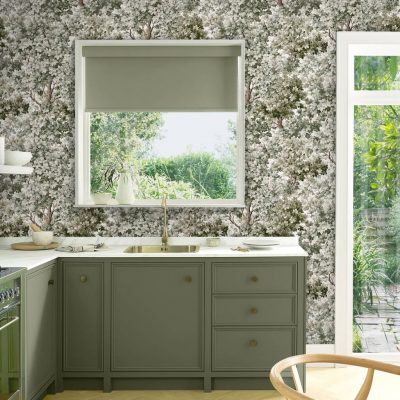
We love Graham & Brown’s Coppice Sage Wallpaper; it’s bold pattern makes a lovely feature wall alongside a green and neutral tones, and brings a touch of calming nature to the room.
Add the Finishing Touches

The final layer is all about atmosphere — the pieces that make your home feel personal. Add art that reflects your personality, mirrors to bounce light, plants for freshness, and scent for mood.

Layered interiors appeal to all the senses. A soft rug underfoot, the flicker of candlelight, and a hint of seasonal fragrance all contribute to a space that feels complete and comforting.

Creating a layered interior isn’t about perfection or following a formula. It’s about building depth, comfort and authenticity into your home — one thoughtful choice at a time. Start with texture and light, add personality through colour and accessories, and soon your space will have that effortless, inviting feel that makes you want to stay a little longer. For more interior design ideas and inspiration, follow us on Facebook.
Designing Calm: Interiors Without the Clutter

From the moment you walk through the door, your home should feel like a breath out. But between family life, work demands and the general noise of modern living, creating a calming interior can feel like just another thing on the to-do list. So, how do we achieve it?

The first step is often a ruthless declutter. Minimalism isn’t everyone’s goal, but even moving toward a less clutter‑heavy, more intentional home can work wonders for your stress‑levels. If you want to know more about the power of minimalism click here. For now, let’s look at practical ways that you can work towards a clutter-free haven.

The Kitchen

A kitchen needs to work hard for its inhabitants every day, but just because it’s functional doesn’t mean that you have to forfeit visual quietness. Luckily there are few options to help here.

The kitchen is full of appliances; large items such as washing machines and fridges to small appliances like toasters and kettles, which are often on show on the worktop. Add into that all the mobile devices that get left lying around and there’s a lot to tackle; here’s how to start:

  • With larger appliances, opt for inbuilt versions where available so that there is a cupboard door to hide them away. If inbuilt isn’t an option, choose a colour that blends into the overall scheme.
  • Store small appliances in cupboards or use your pantry or utility room to keep them out of sight. If you’re a coffee aficionado, you might want to consider a hidden coffee station – easy to access but with the coffee maker and paraphernalia out of sight when out of use.
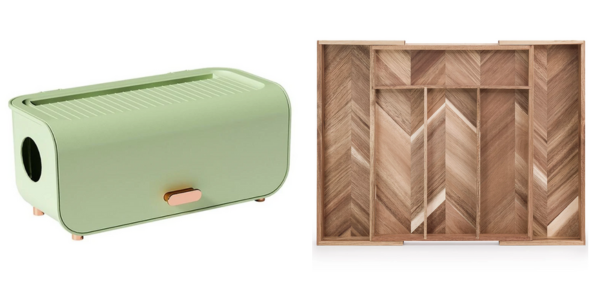
  • Phones and charging cables no longer need to be villains of the piece! One option is to have charging sockets in drawers or cupboards, alternatively, you can look for stylish phone and cable holders like The Cable Management Box from My Trendy Phone.
  • When we’re talking clutter, it’s not always about what’s immediately on show, we want to make sure that cupboards and drawers are clutter-free and organised when we open them. There are great organisation tools that you can get to help here like the Woodluv Cutlery Tray from B&Q.

The Living Room

This is the room that tells your nervous system it’s time to switch off—yet it’s also a magnet for clutter. Just as with your kitchen, we can remedy this:

  • Choose furniture with space to squirrel your clutter away – ottomans with lids, storage benches, or side tables with shelves underneath.
  • Decorative trays on coffee tables and side boards are not only great to look at, but they keep everyday items contained but accessible.
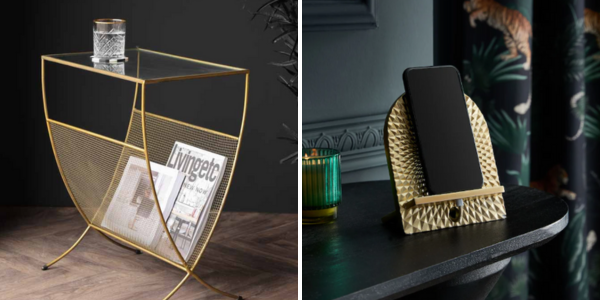
  • Magazine racks stop papers piling up. We love the  Gold Magazine Rack with Glass Top from Rockett St George that will keep you clutter-free in style.
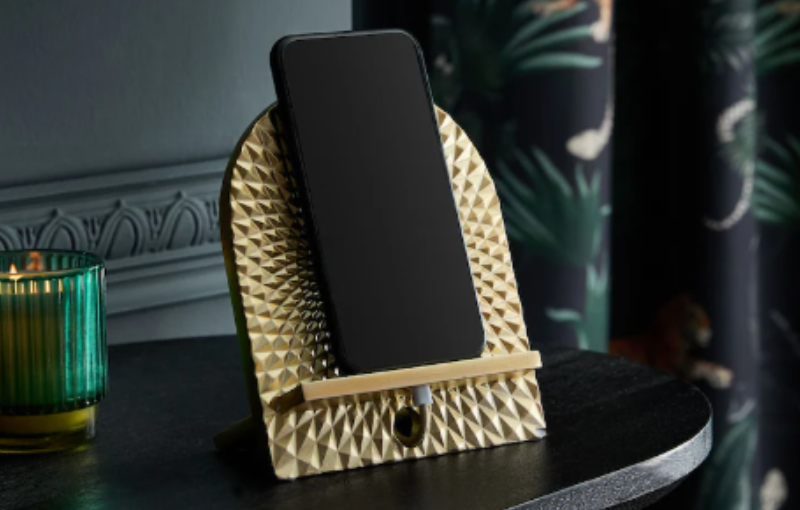
  • With the right accessory, you can turn almost anything into a design feature or point of interest. Don’t leave your phone lying around in the living room, instead make use of the Gold Tone Phone Holder from Next and make a feature of it.

Bedrooms

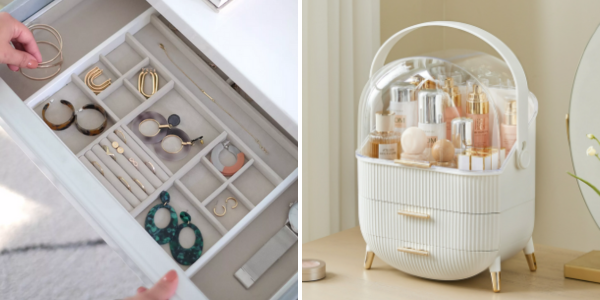
A lot of the principles of organisation and clutter control can be used throughout the home. The Stackers In Drawer Jewellery Slider from John Lewis is designed to fit into your drawer, and is perfect for keeping your jewellery organised. If you don’t have the drawer space, there is a Stacker Jewellery Box instead which can be customised for your needs.  Another great option for the bedroom is the Dustproof Makeup Organiser with Drawers from The Range. There are design friendly organisation options for every part of the home when you know where to look.

Children’s bedrooms are certainly a challenge when it comes to keeping clear and tidy. There are plenty of storage options, drawers and ottomans, but we think it’s a good idea know where everything is. These drawer labels from eBay can be used anywhere in the house, but come into their own in a child’s bedroom or playroom.

Now that your home is a clutter-free haven, it invites calm into your life. You can enhance this feeling with interior design touches.

Principles for Calm

Colour and texture carry the mood from room to room. Keep these guidelines in mind:

  • Tone‑on‑Tone Colour
    Layer variations of the same hue—soft greys with charcoal, oatmeals with taupes, muted greens from sage to olive. This creates depth without the visual clash of high contrast.
  • Texture as Softness
    Add boucle cushions on leather sofas, a wool throw over a wooden bench, linen curtains to diffuse sunlight. Mixing matte, woven and lightly glossy finishes gives interest without noise.
  • Finishing Touches for All the Senses
  • Light: add dimmers or table lamps with warm bulbs.
  • Scent: calming diffusers—lavender, cedar, bergamot—by the entry, bed or bath.
  • Sound: soft‑close drawers, fabric panels (even a statement rug) dampen echo and clatter.
  • Touch: smooth ceramics, knotted wool, brushed metals invite the hand and ground the mind.

An organised and clutter free home is one where you can get the most out of. Start with the basics and build from there to get the feel you want. If you’re ready to rethink your space, we’re here to help, whether that’s a full redesign or tips on where to begin. And remember to follow us on Facebook for more interiors inspiration.