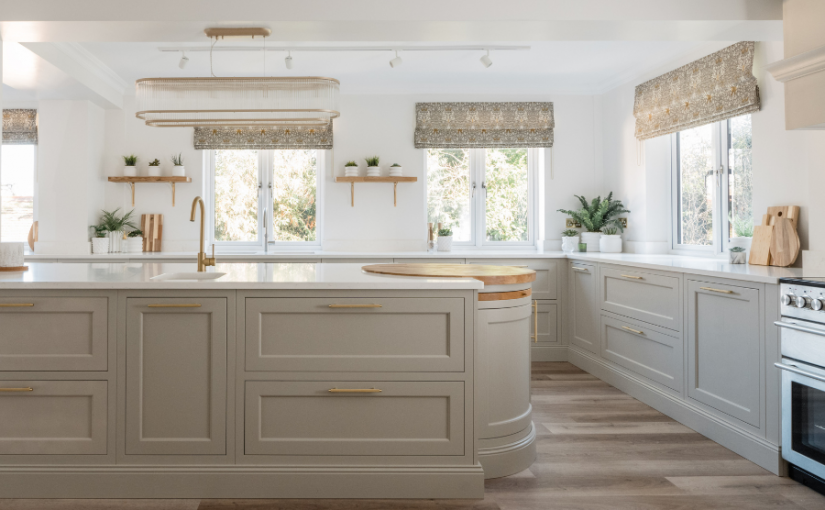
The end of a year can feel like a rush, and now we’ve started the new year we have the chance to bring a sense of normality back into our homes. It’s an ideal time to lean towards lighter, calmer spaces — and white can be the perfect colour.
With Cloud Dancer named as the Pantone Colour of the Year for 2026, white is firmly back in the conversation. But rather than treating it as a trend to follow, it’s useful to consider how to use white well. Used thoughtfully, white can feel warm, considered and timeless. Used badly, it can feel stark, flat or unfinished.
The difference lies in understanding what “white” really means — and how to use it with intention
White Is Not Just Brilliant White
When we talk about white in interiors, we’re not simply talking about brilliant white emulsion on every wall.
Brilliant white is often chosen because it feels safe and neutral, but it can be surprisingly unforgiving. In many homes it appears too stark, highlighting shadows, imperfections and cooler light. Rather than creating calm, it can feel clinical or unfinished — particularly in north-facing rooms or spaces with limited natural light. Magnolia is often seen as another ‘safe’ option, but in reality it can feel dated or overly yellow.
The truth is that white comes in countless variations. Some are warm, with creamy or chalky undertones. Others are cooler, leaning towards grey or stone. These subtle differences have a huge impact on how a space feels, influencing whether it comes across as welcoming, flat or cold.
Once you move away from brilliant white as the default, the real versatility of white becomes clear. Soft whites can add warmth without introducing colour. Chalky whites create a relaxed, lived-in feel, while cleaner whites can work beautifully when balanced with texture and contrast.
This is why white interiors that feel calm and elegant are rarely made up of a single shade. Instead, they rely on subtle variation — tones that sit comfortably together and create depth without visual noise.
How Light Changes White
As we’ve briefly touched on, light plays a crucial role in how white behaves in a room. The same shade can feel completely different depending on orientation, time of day and artificial lighting.
In south-facing rooms with plenty of daylight, warmer whites help soften strong light and prevent the space feeling washed out. In north-facing rooms, cooler whites can quickly feel flat or grey, so choosing a white with warmth can lift the space significantly.
Artificial lighting matters just as much. Warm white bulbs tend to complement softer whites and natural textures, while cooler bulbs can exaggerate starkness. Layered lighting — combining ambient, task and accent lighting — helps white surfaces feel richer and more considered, particularly in the evenings.
Choosing the right white should always go hand in hand with thinking about how the room is lit, both day and night.
Using Paint Finishes to Add Depth
The finish you choose plays a key role in how white looks and feels, adding interest without introducing colour.
When designing with white, the finish is just as important as the shade itself. Different finishes reflect light in different ways, which can subtly change how a space feels.
Matt or flat emulsions absorb light, creating a soft, calm look that works well on walls and ceilings, particularly in living rooms and bedrooms. Eggshell finishes have a gentle sheen, making them a practical and attractive option for woodwork, cabinetry and even walls in busier areas such as kitchens or hallways.
Gloss and lacquered finishes are traditionally used on trim, but they’re increasingly being applied more creatively — including on walls or ceilings — for dramatic effect. These finishes require well-prepared surfaces, as they highlight imperfections, but used carefully they add crisp contrast and definition.
Trends, like the colour of the year, are best used as inspiration, but they shouldn’t dictate the design decisions for your home.
White, when used thoughtfully, has always been timeless. Its strength lies in its adaptability — it can evolve as your home changes, allowing you to refresh a space through texture, lighting and accessories rather than full redesigns.
By understanding white properly and layering it with care, you can create interiors that feel calm now and continue to work beautifully for years to come.
For more interior design ideas, follow us on Facebook.