
Creating Balance in Bright Spaces
When we talk about light in a home, the conversation usually centres around making dark rooms brighter. But spaces filled with natural light come with their own challenges too.
Conservatories, glazed extensions, bright kitchens and south-facing rooms can often feel difficult to balance. During the day they may feel overly bright, washed out or too warm, while in the evening they can suddenly feel flat or lacking in atmosphere. Good interior design is not simply about adding more light — it is about learning how to work with it.
Managing Bright Light
One of the biggest mistakes people make in naturally bright rooms is trying to block the light completely. Heavy blinds or dark curtains can quickly make a room feel disconnected from the very feature that makes it appealing in the first place.
Instead, it is usually more effective to soften and diffuse the light. Sheer voiles, lightweight linens and textured fabrics can help reduce glare while still allowing the room to feel open and airy.
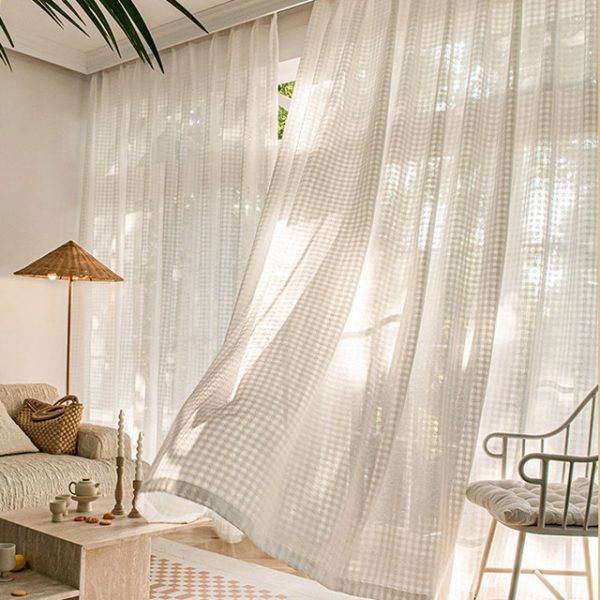
Texture also affects how light behaves within a room. Glossy finishes and overly reflective surfaces can intensify brightness and create harsh glare, particularly in rooms with lots of glazing. Softer textures through flooring, upholstery, timber finishes or matt paint can help create a calmer atmosphere without making the room feel darker.
Introducing a darker tone in selected areas can also help create definition in a naturally bright room. This could be through painted woodwork, a chimney breast, built-in cabinetry or another architectural feature. In spaces flooded with natural light, these darker elements can add depth and contrast without making the room feel heavy. They also help create a scheme that feels balanced throughout the year, rather than a room that only works during the brightest months.
Naturally bright rooms still need carefully considered lighting to feel welcoming in the evening. Table lamps, wall lights and softer pools of light help transition a room from daytime brightness into a more relaxed evening environment.
How Natural Light Changes Colour
Natural light has a huge impact on how colours appear in a room, which is why paint can sometimes look completely different once it is on the wall.
In south-facing spaces, warm sunlight can intensify creamy tones, earthy neutrals and warmer colours throughout the day. While this can create a beautiful glow, it can also make some colours feel stronger or more yellow than expected. Cooler tones can help balance this warmth, but in very bright rooms they can occasionally appear flatter or more washed out.
This is why testing colours properly in the room itself is so important. A shade that works beautifully in one room may behave completely differently in another.
Morning light, afternoon sunlight and evening shadows all alter the mood of a space. The most successful schemes are often the ones that feel balanced across changing conditions.
Creating Flow Between Inside and Out
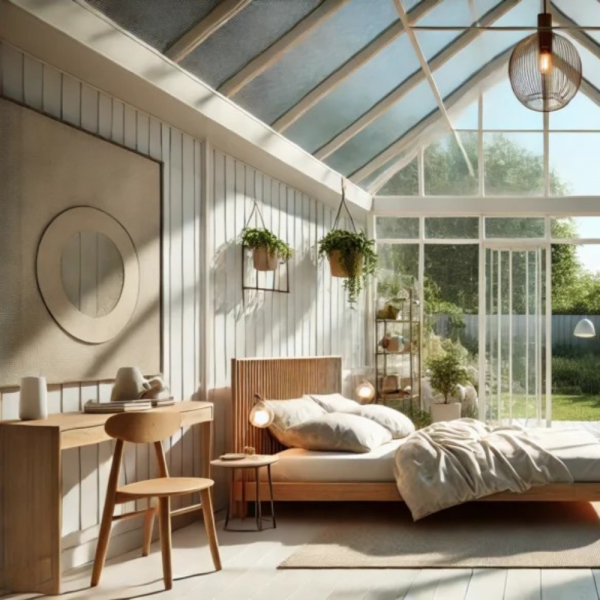
Bright rooms often sit closest to the garden or patio, so creating a sense of connection between inside and outside can make the whole home feel calmer and more cohesive.
This is less about themed styling and more about continuity through materials, tones and layout choices. Flooring can help the transition between spaces feel more natural, while thoughtful furniture placement keeps movement between the house and garden easy and uninterrupted.
Natural materials such as timber, stone, linen and woven textures work particularly well because they soften brighter environments while still feeling timeless and relaxed.
Creating Ambience in Bright Spaces
One of the most overlooked aspects of designing bright rooms is thinking about how they feel after sunset.
A conservatory or glazed extension that feels beautiful at midday can sometimes feel stark in the evening. Layered lighting, texture and zoning all help larger bright rooms feel warmer and more inviting.
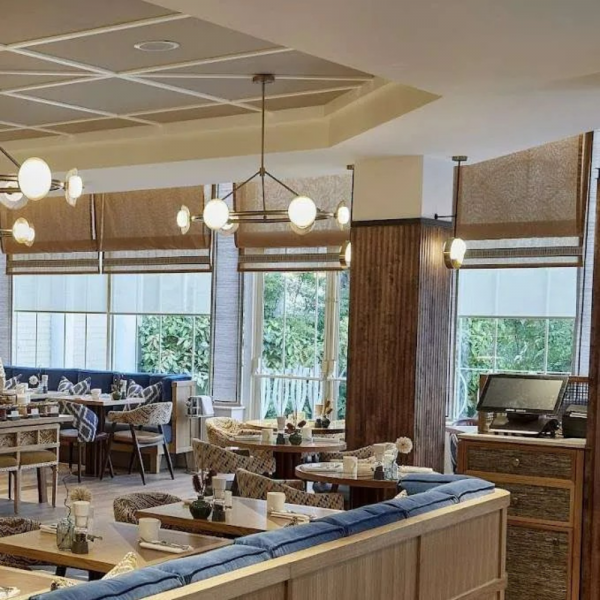
Ultimately, designing for bright spaces is about understanding how natural light changes the way a room looks, feels and functions throughout the day. When those details are considered carefully, bright rooms become some of the most enjoyable spaces in the home.
Remember to follow us on Facebook for more interior design insights.
Tags: bright room design, conservatory design ideas, conservatory interiors, creating ambience at home, designing with natural light, glazed extension interiors, home design Bedfordshire, Interior Design Ampthill, interior design bedford, interior design bedfordshire, Interior Design Flitwick, interior designer bedford, light filled rooms, natural light interior design, south facing room ideas