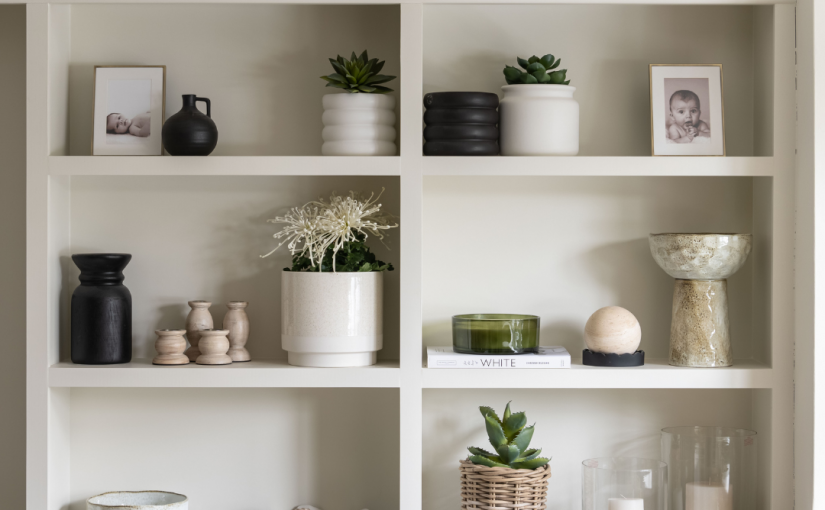
The Principles of Beautiful Styling

Beautifully styled homes often look effortless, but there’s usually much more thought behind them than first meets the eye.

It’s easy to assume the secret lies in buying the right accessories, but in reality it’s less about what you choose and more about how you use it. Interior designers look at a room as a whole, considering balance, proportion and how each piece contributes to the overall feel of the space.

Styling isn’t an exact science, and much of it develops through experience. However, there are a few principles that can help you look at your own home with fresh eyes.

Think in Arrangements, Not Individual Objects

Rather than styling one item at a time, think about how pieces work together as a collection.

A simple arrangement might include:

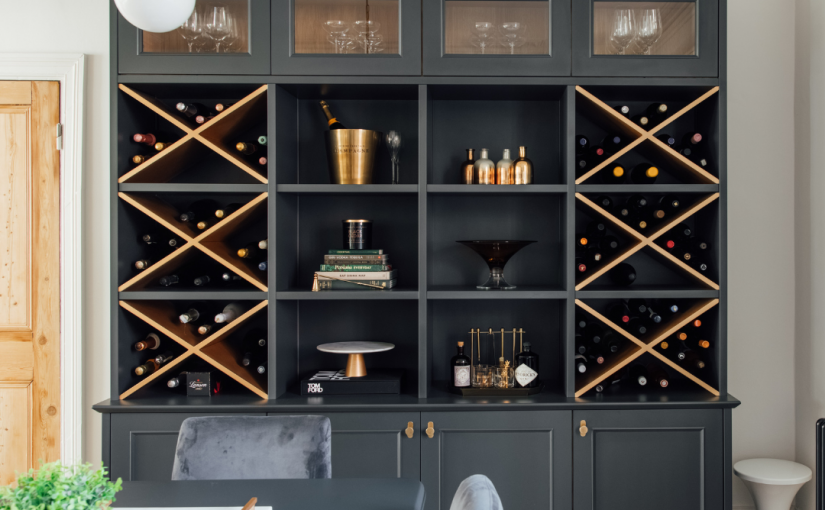
  • A group of three or five objects
  • A tray to bring items together
  • Pieces that naturally complement one another

The aim is to create one considered display rather than several separate objects competing for attention.
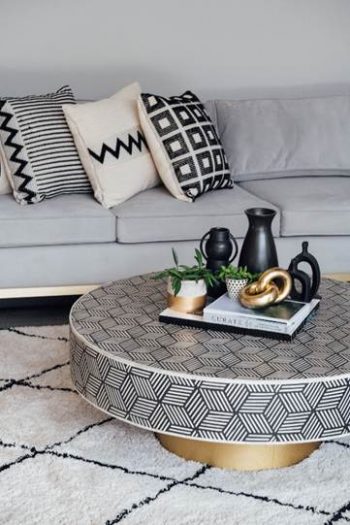
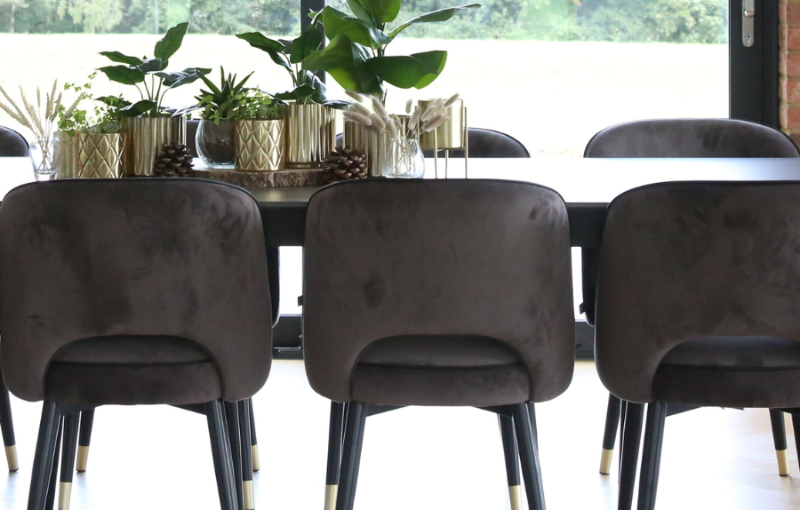
Group accessories together rather than styling one item at a time. A collection will often feel more balanced than individual pieces.

Create Layers

Displays often feel more interesting when they have depth.

Instead of placing everything in a straight line, consider layering pieces together by using:

  • Books to introduce height
  • Artwork behind accessories
  • Objects positioned slightly in front of one another

Small changes like these can make a display feel more natural and considered.
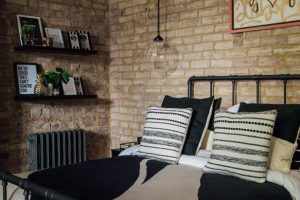
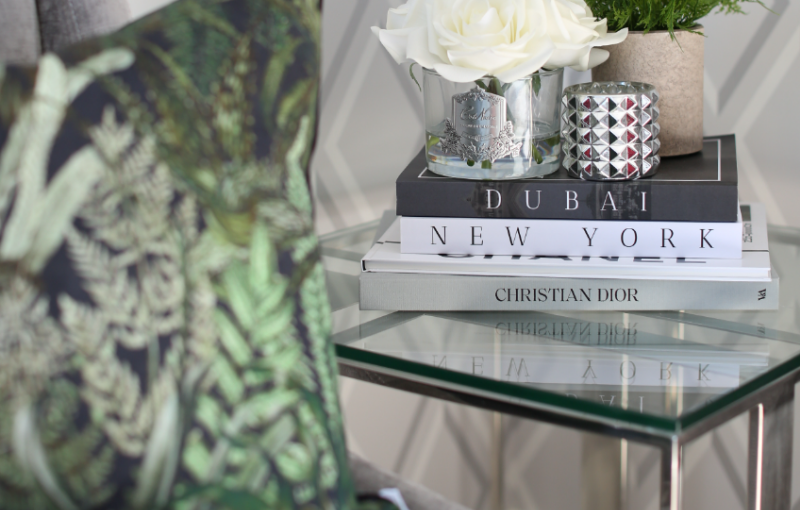
Stack items in front of one another instead of placing everything in a straight line to create depth and interest.

Focus on Balance Rather Than Matching

A well-styled space doesn’t need everything to match perfectly.

Instead, think about creating balance by varying:

  • Height
  • Shape
  • Size
  • Texture

Combining different materials, such as ceramics, glass, wood and woven finishes, helps create interest without making a display feel busy.
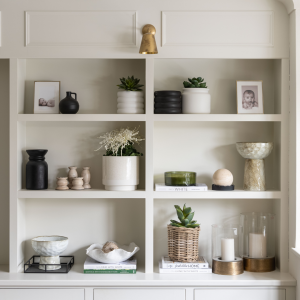
Balance comes from mixing different heights, shapes, sizes and textures, not from everything matching perfectly.

Leave Space to Let Your Styling Shine

One of the easiest mistakes to make is trying to fill every shelf or surface.

Giving your displays a little breathing room allows each piece to stand out and creates a calmer, more balanced feel.

If something doesn’t quite look right, try removing an item before adding another. Sometimes less really is more.
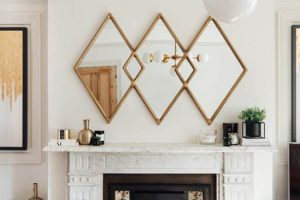
Less is more. Leaving space around your displays often has more impact than filling every shelf.

Style for Your Home, Not Someone Else’s

The most memorable interiors aren’t filled with expensive accessories. They’re filled with pieces that have meaning.

Books you’ve enjoyed, favourite ceramics, treasured finds or family photographs all help tell the story of the people who live there. Mixing these personal touches with decorative pieces creates a home that feels authentic rather than staged.

Your home should reflect your lifestyle and personality, not simply recreate a photograph you’ve seen online.
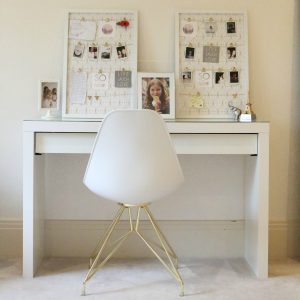
The most memorable interiors are filled with pieces that have meaning, not simply pieces that match.

Styling isn’t about following a set of rigid rules or buying more decorative pieces. It’s about understanding a few simple principles and applying them in a way that feels right for your home.

By thinking in arrangements, introducing layers, creating balance, leaving space for the eye to rest and choosing pieces that have meaning, you can create displays that feel thoughtful, welcoming and beautifully considered. Sometimes the smallest adjustments are all it takes to make a room feel complete. For more interior design advice and guidance, remember to follow us on Facebook.
Creating Balance in Bright Spaces

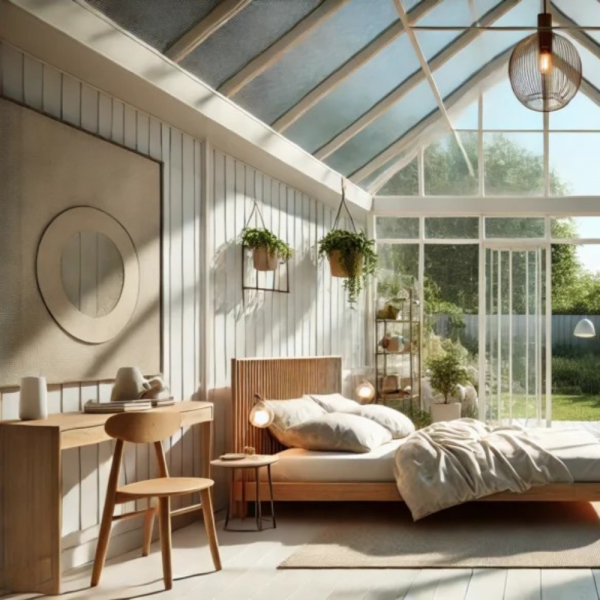
When we talk about light in a home, the conversation usually centres around making dark rooms brighter. But spaces filled with natural light come with their own challenges too.

Conservatories, glazed extensions, bright kitchens and south-facing rooms can often feel difficult to balance. During the day they may feel overly bright, washed out or too warm, while in the evening they can suddenly feel flat or lacking in atmosphere. Good interior design is not simply about adding more light — it is about learning how to work with it.

Managing Bright Light

One of the biggest mistakes people make in naturally bright rooms is trying to block the light completely. Heavy blinds or dark curtains can quickly make a room feel disconnected from the very feature that makes it appealing in the first place.

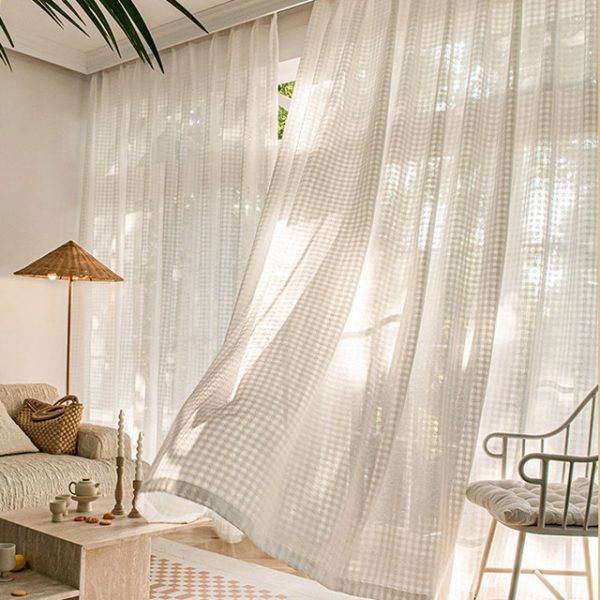
Instead, it is usually more effective to soften and diffuse the light. Sheer voiles, lightweight linens and textured fabrics can help reduce glare while still allowing the room to feel open and airy.

Ethereal grid ivory white linen style sheer curtain from www.voilavoile.com

Texture also affects how light behaves within a room. Glossy finishes and overly reflective surfaces can intensify brightness and create harsh glare, particularly in rooms with lots of glazing. Softer textures through flooring, upholstery, timber finishes or matt paint can help create a calmer atmosphere without making the room feel darker.

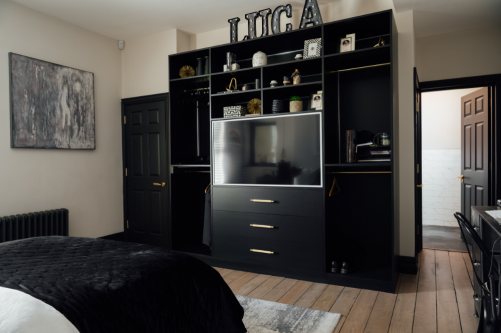
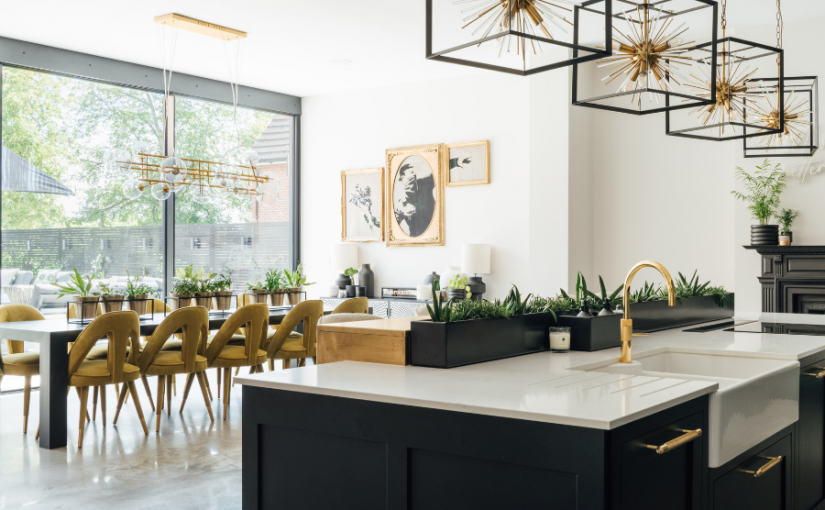
Introducing a darker tone in selected areas can also help create definition in a naturally bright room. This could be through painted woodwork, a chimney breast, built-in cabinetry or another architectural feature. In spaces flooded with natural light, these darker elements can add depth and contrast without making the room feel heavy. They also help create a scheme that feels balanced throughout the year, rather than a room that only works during the brightest months.

Naturally bright rooms still need carefully considered lighting to feel welcoming in the evening. Table lamps, wall lights and softer pools of light help transition a room from daytime brightness into a more relaxed evening environment.

How Natural Light Changes Colour

Natural light has a huge impact on how colours appear in a room, which is why paint can sometimes look completely different once it is on the wall.

In south-facing spaces, warm sunlight can intensify creamy tones, earthy neutrals and warmer colours throughout the day. While this can create a beautiful glow, it can also make some colours feel stronger or more yellow than expected. Cooler tones can help balance this warmth, but in very bright rooms they can occasionally appear flatter or more washed out.

This is why testing colours properly in the room itself is so important. A shade that works beautifully in one room may behave completely differently in another.

Morning light, afternoon sunlight and evening shadows all alter the mood of a space. The most successful schemes are often the ones that feel balanced across changing conditions.

Creating Flow Between Inside and Out

Inspiration from KLG Rutland

Bright rooms often sit closest to the garden or patio, so creating a sense of connection between inside and outside can make the whole home feel calmer and more cohesive.

This is less about themed styling and more about continuity through materials, tones and layout choices. Flooring can help the transition between spaces feel more natural, while thoughtful furniture placement keeps movement between the house and garden easy and uninterrupted.

Natural materials such as timber, stone, linen and woven textures work particularly well because they soften brighter environments while still feeling timeless and relaxed.

Creating Ambience in Bright Spaces

One of the most overlooked aspects of designing bright rooms is thinking about how they feel after sunset.

A conservatory or glazed extension that feels beautiful at midday can sometimes feel stark in the evening. Layered lighting, texture and zoning all help larger bright rooms feel warmer and more inviting.

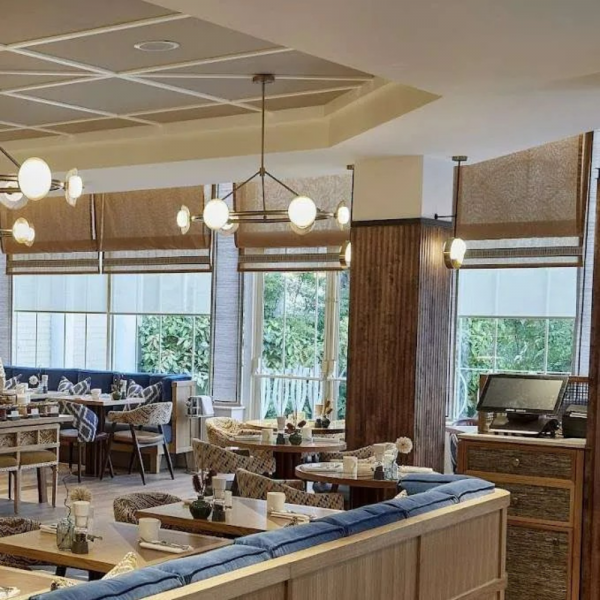
Layered blinds look fabulous in Sopwell House, as featured in Boutique Hotelier. This is one of our favourite local hotels, and it’s a great example of using wood cladding to soften a glazed area.

Ultimately, designing for bright spaces is about understanding how natural light changes the way a room looks, feels and functions throughout the day. When those details are considered carefully, bright rooms become some of the most enjoyable spaces in the home.

Remember to follow us on Facebook for more interior design insights.

Making Bold Colour Choices With Confidence

Bold colour has a way of capturing attention. Whether it’s a striking feature wall, richly painted cabinetry or statement tiles, it often appears in the most inspiring interiors. But while it’s easy to admire, it can feel much harder to commit to in your own home.

Trends come and go, and what feels exciting now can quickly feel dated. More often than not, the hesitation isn’t about liking colour — it’s about wondering whether it’s the right choice for your space, and whether you’ll still love it in a year’s time.

The key to using bold colour successfully isn’t about being brave. It’s about being considered.

Why Bold Colour Can Feel Daunting (And How to Approach It Properly)

Choosing bold colour can feel like a big step. Unlike smaller decorative changes, it’s more visible, more impactful, and often more permanent. That’s what makes it feel daunting.

But this isn’t about taking a leap into the unknown. It’s about making a decision you feel confident in.

Testing is where that confidence comes from. Rather than relying on a small paint card or a quick decision, take the time to see how a colour really behaves in your space. Use larger samples, place them in different areas of the room, and look at them at various times of day. Natural and artificial light will change how a colour appears, sometimes quite dramatically.

Living with a sample for a few days allows you to move beyond first impressions and make a choice that feels right long term.

Start With How You Want the Room to Feel

Before choosing any colour, it’s important to take a step back and think about the purpose of the room.

How do you want it to feel? Energised and sociable, or calm and restorative? A bold colour should support that feeling, not work against it. This is where colour becomes more than a visual choice — it becomes a functional one.

If you’d like to explore how colour influences mood and atmosphere in more detail, you can read more in our blog, The Power of Colour.

Starting with feeling, rather than colour itself, helps guide decisions in a way that feels much more natural and cohesive.

Choosing Where Bold Colour Works Best

Introducing bold colour isn’t about adding more — it’s about placing it with intention.

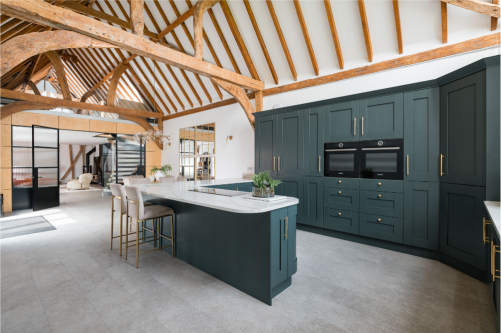
There are many ways to bring stronger colour into a space. It might be through paint or wallpaper, cabinetry, tiled areas such as splashbacks, or architectural features like panelling and alcoves. The approach you take will depend on the space, but the principle remains the same.

Think about what naturally draws the eye when you enter the room. This is often the best place to introduce a bold element. Used well, colour can highlight key features and create a sense of balance within the space, rather than competing for attention.

It’s also important to consider how the colour sits within the wider home. A bold choice should feel connected, not isolated, particularly in open-plan or adjoining spaces.

Getting It Right: Practical Considerations

Bold colour works best when the practical details are carefully considered.

Light plays a significant role. North-facing rooms can soften and cool colours, while south-facing spaces tend to enhance their warmth and intensity. Understanding this helps avoid surprises once a colour is on the wall.

Undertones are equally important. A colour that looks perfect in isolation may clash when placed alongside flooring, cabinetry or existing finishes. Viewing everything together ensures a more cohesive result.

Taking time with these decisions makes all the difference. The most successful schemes are rarely rushed.

Refining Your Colour Choice

If you’re unsure about committing to bolder colours, it can help to look at less primary options.

For example, a deep grey-blue or grey-green can feel softer and easier to live with, while still adding the sense of drama you’re looking for. If you’re leaning towards warmer tones, there are some beautiful deep burgundy and maroon shades available at the moment. These work particularly well in cosy spaces such as dining rooms or snugs, where you want to create a more intimate feel.

Another way to approach a darker colour palette without it feeling overwhelming is to be more selective about where you use it. Applying colour to woodwork or the ceiling allows you to introduce depth and contrast, while keeping the walls lighter and more neutral.

Confidence Comes From Clarity

Using bold colour doesn’t need to feel overwhelming. When decisions are guided by purpose, placement and careful testing, they become much easier to make.

A well-chosen colour has the ability to completely transform a space, adding depth, character and a strong sense of identity.

If you’re unsure where to start, this is exactly where professional guidance can help bring clarity and confidence to your decisions. And for more ideas and inspiration, you can follow along on Facebook.

Designing Calm into Your Home

When your house is a busy hub for your family, it is easy for each room to become filled with activity, noise and the inevitable clutter of life. If that describes your home, we’d like to help you to create a pocket of calm amidst the chaos.

A bedroom is a natural starting point for a place of serenity, but a bathroom could work just as well, or, if you haven’t got a room that you can dedicate, it could be a corner or alcove that you claim for the purpose.

Bedrooms

 With the focus being on rest and relaxation, a bedroom might feel like an obvious choice for your designated calm space.

While neutral or soft colours are a solid choice in a bedroom because they keep it light and gentle, additionally lighting also has a big impact on how a room feels. Harsh overhead lights can be a hindrance to a calm atmosphere, so layered lighting works much better. A reading lamp provides brightness when needed, while table lamps or wall lights create a softer, more relaxed ambience.

Comfort and calm often go hand in hand, and bedrooms are the perfect place to introduce a sense of quiet luxury. High-quality bed linen, comforting throws, plush rugs and textured cushions can all add warmth and softness, helping the room feel inviting and restorative.

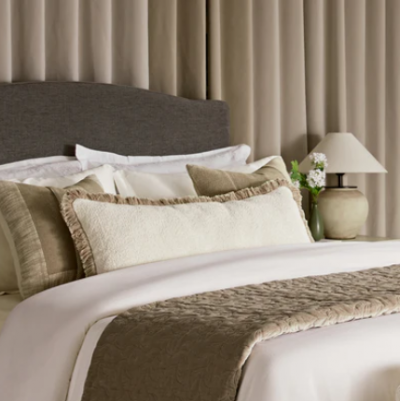
The addition of the Kyra Cream White & Natural Boucle Fringed Lumbar Cushion from daals is a comforting texture to add to a bed, chair or a window seat. 

For more ideas, click here to read our blog all about designing a bedroom oasis.

Bathrooms

Bathrooms are often one of the few places where we can step away from the activity of life. However, they are frequently designed with functionality as the main priority.  With a few thoughtful touches, we can change this.  

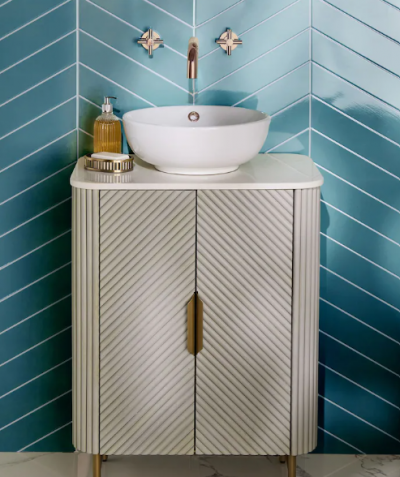
As with bedrooms, colour is key and gentle greens and muted blues can create a spa-like feel. Keeping the palette and base tones of the scheme consistent across tiles, paints and accessories allows the space to feel cohesive not busy.

Metallic accents, such as brushed brass or gold, can add a sense of luxury. These can be introduced to the room through towel rails, taps and drawer handles, as well as smaller accessories such as candle holders and containers.

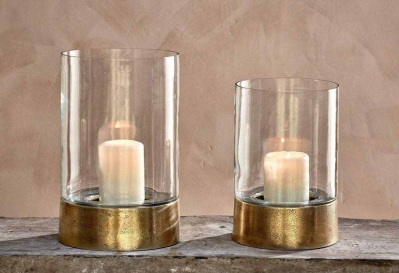
The Rajura Hurricane Lantern from Nkuku is the perfect accessory for adding low light to the bathroom, and adds that touch of luxe with the brass base.

Storage is key to a calm space. If you have a pedestal basin rather than a vanity unit, you can add storage, such as the Valencia Under Sink Storage Cabinet from Next.

Creating a Quiet Corner

You don’t need to dedicate a whole room to calm, even a small corner in your home can become a place to unwind.

Unused alcoves, corners of living rooms, window seats or quiet areas of a bedroom can all work beautifully. The aim is to create a space that feels visually separate from the surrounding activity.

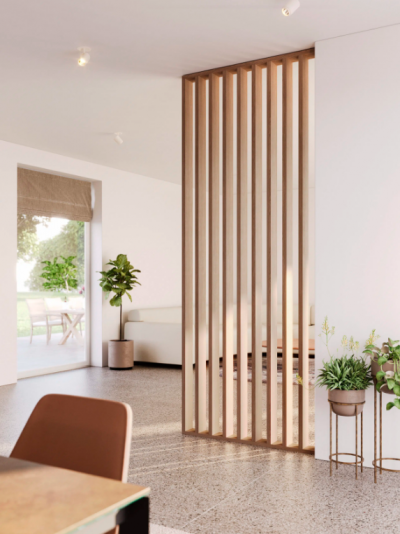
Open-plan zoning techniques work well here; you can make a corner feel separate by using a rug, a change of lighting or a different colour. Room dividers or shelving can also help create a subtle sense of separation without closing the space off completely.

Comfort should be the priority in these smaller areas. Soft textures, cushions and throws make the area inviting, encouraging you to actually use it rather than letting it blend into the rest of the room.

The Signature Room Divider Kit from Panelling Direct is a great option for zoning or diving the room, and it adds extra warmth with the wood.

Create Calm Anywhere

Whilst each room has its unique ways of being calm, there are some simple design principles that apply anywhere in the home.

  • Keep the layout simple and uncluttered
  • Reduce visual clutter by limiting the number of accessories and grouping decorative items together
  • Choose colours that feel restful and cohesive

Finally, once you’ve created your calm space, try to protect it. In busy homes, it can be easy for every spare corner to become storage or workspace, but allowing one area to remain dedicated to rest can make a surprising difference.

Remember to follow us on Facebook for more interior design tips and ideas.

Need a Refresh? Start Here

Are you thinking about a redesign in your home? Even when you’ve got that niggling sense that a room could be better, it can be hard to know where to begin — and easy to jump straight into buying without a proper plan. Whether you’re planning a big renovation or simply want to refresh one corner of your home, we are going to help you turn those ideas into something you can act on while avoiding some common mistakes that can derail even the most exciting design plans.

What’s the Trigger?

Before you reach for the paint samples, take a step back. What’s really prompted the desire to make changes?

Is it something functional — poor lighting, not enough storage, or an awkward layout? Or is it more emotional — a space that feels flat, cold or uninspiring? Have your needs changed? Are you working from home more? Have the children grown up? Are you craving a space that feels more ‘you’?

Tuning into this trigger is important. It not only helps you identify what needs to change, but also makes sure your updates solve the right problem — not just treat the symptoms.

And just as importantly, think about what you want instead. What’s the feeling you’d love this room to evoke? Calm and welcoming? Energising? Luxurious? Cosy? These emotional cues are where great design begins.

It Pays to Plan

It’s so tempting to jump straight in — to start browsing paint colours or ordering furniture. But without a clear sense of what the space needs. To start creating a plan that works for you:

  • Build a realistic budget considering whether you like to invest timeless pieces or prefer more affordable pieces you can switch more regularly.
  • Prioritise what will make the biggest difference.
  • Measure all spaces and new furniture to avoid costly mistakes.

A Summer Project

If you’re thinking about tackling a home project over the summer holidays, it can be a brilliant time to start — especially with longer days, better light and fewer interruptions. But it does come with a warning, to make sure that the design will work all year round, not just for the season.

Natural light can transform a room — and in July, it’s at its strongest. But ask yourself: how will this space feel in winter? Will your chosen colours feel dark in the low light of January?

The answer is to think multi-seasonally: to consider how the space will feel, not just now, but throughout the year. That might mean:

  • Checking your paints and tones at different times of the day and in different corners of the room, what looks good next to a bright window may not look so good in a dark corner.    
  • Choosing layered lighting so the room works on gloomy days too.
  • Making sure window treatments suit both brighter and darker days, consider roman blinds with sheer curtains overlayed for the best of both worlds.  

Designing with the full year in mind means your space will feel right all the time — not just on a sunny afternoon. For more ideas around lighting, read our blog – Maximise the Light in Your Home All Year Round.

A Note on Trends

We love to follow the trends, seeing what’s coming in and going out, new colours and the desirable designs — and they can be a brilliant source of inspiration. But we don’t follow trends just for the sake of it, and we don’t recommend that our clients do either.

Designing your home purely based on what’s in fashion now is one of the fastest ways to end up with a space that dates quickly — or never quite feels like you.

Instead, we start with you: your style, your lifestyle, your light, your space. From there, we might incorporate on-trend elements that work for the room — but only if they genuinely suit the feel you want to create. The result is a design that feels timeless and personalised to you.

Working With an Interior Designer

If you’re not sure about tackling a redesign project on your own, then it might be time to work with an interior designer. We can work with you throughout the project providing as much help as needed, from a full design to simply sourcing the perfect side table or sofa.

If you’re not sure whether a design service is for you, click here to read about the benefits of working with an interior designer.

Remember you can follow us on Facebook for more interior design ideas and inspiration, and contact us if you’re ready to kick off your design project.

Simple Ways to Reflect the Season with Colour

Colour has an extraordinary ability to transform a space. It can lift a tired room, add a sense of fun or calm, and even change how we experience light. But using colour well isn’t about following trends or painting everything the on-trend colours.  It’s about choosing tones with purpose — and knowing how to balance them to get the effect you want.

We are going to help you use colour confidently in your home. Read on and learn how to harness colour to reflect the summer season around us.

  • Start with the Feeling

The first step in using colour effectively isn’t picking paint — it’s understanding the feeling you want the space to create. Do you want a room to feel fresh and energised? Light and airy? Calm and grounding?

For example, blues and soft greens tend to evoke a sense of peace and spaciousness, making them perfect for bedrooms or home offices. Warm tones like earthy taupes and soft terracotta can bring a comforting glow — ideal for kitchens or living areas where you want warmth and welcome.

This emotional connection is where good colour choices begin. It’s also where our role, as interior designers, can be most helpful: interpreting how you want to feel and translating that into a practical palette that suits your home’s style, light and proportions.

To read more about the power of colour, click here to read our blog the power of colour.

  • Balance Your Colours

Strong colours and bold patterns can be beautiful, but they’re most effective when used with care. Rather than covering a whole room in vibrant tones, think about using them as highlights — a carefully planned feature wall doesn’t have to be cliche, it’s about ensuring the base tones are cohesive throughout the space and the wall feels planned and thought through – not added randomly – or try  a patterned chair, or a few key accessories such as lamps or artwork  against a neutral backdrop.

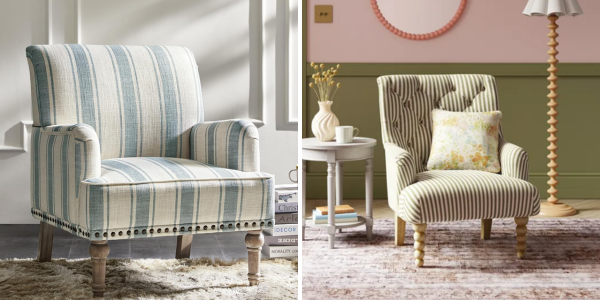
We love… the Hulala Home Modern Accent Chair from Amazon and the Adrianna Linford Stripe Armchair from Dunelm. Stripes are working well right now, but also are more timeless than other prints

This not only creates more visual impact but keeps your space feeling calm and considered. Using colour in this way also gives you the flexibility to update your scheme easily — whether seasonally or simply when you fancy a change. A few cushions or ceramics in a new shade can change the mood of a room without changing everything.

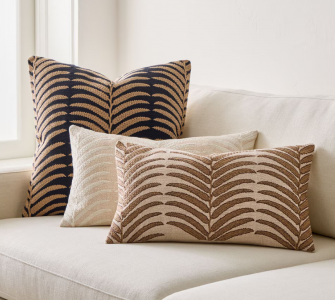
We love… the Woven Palm Cushion Covers from West Elm which are easy to use and style as work well together to give a botanical feel with warm tones.

  • Swap in seasonal textures and fabrics

One of the easiest ways to refresh your space for summer is through textiles. Changing up cushions, throws or even curtains is a quick way to introduce colour without long term commitment — and it allows you to reflect the season with very little effort. If you’re using accessories for pops of colour, you can change the feel of the room whilst making sure the colours are balanced.

In summer, we tend to use more natural, breathable materials: cottons, linens and voiles. These not only feel lighter, but they carry colour in a soft, diffused way that suits the brighter days.

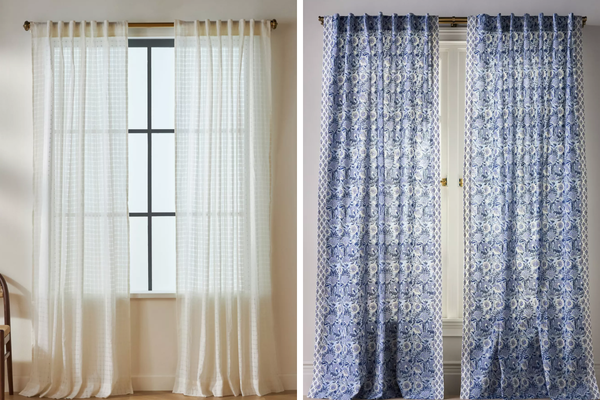
We love… The Sheer Grid Curtain from Anthropologie or for something bolder, go for the Cotton Woven Block Print Curtain also from Anthropologie.

  • Let nature inspire the palette

Summer is a season of rich, natural colour — and it’s the perfect time to bring the outside in. From floral tones to leafy greens and terracotta earth shades, nature provides one of the most timeless and satisfying palettes available.

Consider introducing cut flowers, indoor plants or terracotta pots on windowsills. These bring natural movement and softness to a room, and help create a visual link between indoor and outdoor spaces — especially in homes with gardens, patios or bifold doors. Faux florals and foliage is a great alternative to fresh flowers and plants if you’re not green fingered or want a low maintenance options.

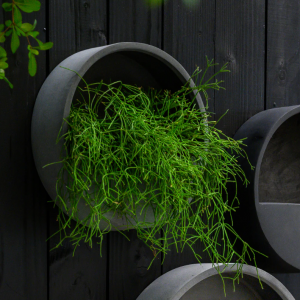
We have recently used the Wally Natural Plant Holders from Hortology in the renovation of Real Coffee Shop in Bedford with plants from Not Another Jungle. These two are just around the corner from each other, so why not grab a coffee and then head for a browse at the gorgeous greenery!

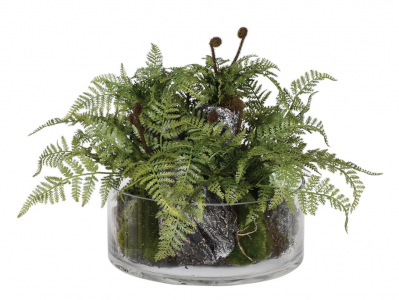
We have used the Moorside Faux Fern Ornament in a Glass Bowl from Shropshire Design multiple times with different clients. It’s perfect for areas where you want a wide but low-profile piece, such as coffee- or side-tables.

These small touches often do more to connect a room to the season than any trend-led makeover.

  • Avoid trend-chasing

At Interiors at 58 we keep up to date with trends and are often inspired by what is around us, we don’t, however, follow trends for the sake of it. This will lead to interiors that easily date and often aren’t quite right for your home. The choice is colour is deeply personal, and what works in one home might not feel right in another, or even if one area or your home or another as light can really affect the way a tone feels in a room. This is why we work with people – our clients – and not from trends. The goal is always to reflect your style, taste and lifestyle — not what’s current on social media.

Currently, we are seeing a rise in softer, sun-washed tones: muted greens, warm putty, earthy pinks and pale yellow accents. These colours are gentle but cheerful — and incredibly liveable. If these are right for you and your home, they could well be on the short list.

If you’re ready to bring more colour into your home but aren’t sure where to start, we’d love to help. Whether it’s a full redesign or a seasonal refresh, we can guide you in choosing the right palette, textures and details to reflect your style and bring your space to life — this summer and beyond. And remember, for more ideas and inspiration follow us on Facebook.

Your Home as the Perfect Backdrop

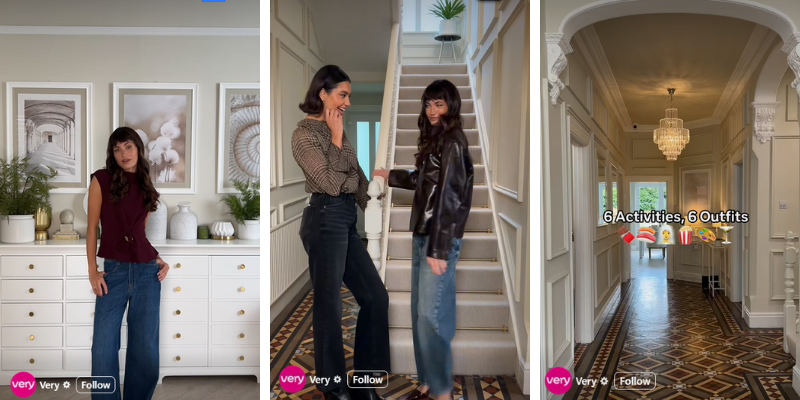
We recently had the pleasure of hosting Very at Interiors at 58 HQ for a location photoshoot. It inspired us to think about what should be considered if you are designing a space that works as both a welcoming family home and a stylish backdrop for photography, filming and events. Thoughtful design choices can effortlessly blend daily life and the practical demands of commercial needs. If you want to create a multipurpose space like this, or even just a space for yourself that looks Pinterest ready – read on!

A Home First

When you are creating a home that also serves as a stylish venue, your everyday life and needs should always be the priority however with some pre-planning you can have the best of both worlds. Life, especially with a family, can be messy and unpredictable – and your interiors need to be designed with that practicality in mind. Here are some ideas to consider:

  • Flexible layouts: Think open-plan living, easily movable partitions, or furniture that can be rearranged to suit different purposes quickly.
  • Multi-purpose furniture: Choose pieces that are lightweight, stackable, or foldable so they can adapt to family life but easily moved for a photoshoot.
  • Clever storage: Integrate hidden cupboards, built-in storage, and discreet baskets or chests so everyday items can be quickly stowed away before a shoot or event, or even just at the end of the day so that you can enjoy a relaxing evening.
  • Family-friendly finishes: Select hard-wearing, washable fabrics and durable flooring that withstand daily wear-and-tear and still look great on camera.

Prioritising these practical details will ensure your home remains inviting and comfortable for daily living, yet can be easily transitioned into a beautiful, versatile venue whenever you need it.

Versatility

With your daily life considered, now we want to make sure that the décor works for each purpose that you choose. Think about a backdrop for any events, while ensuring that your home still feels welcoming and inviting to you:

  • Choose neutral backdrops:
    Paint walls in soft, neutral shades like off-whites, greys, or warm taupe—these colours photograph beautifully and create a timeless, welcoming atmosphere that clients can make their own.
  • Layer lighting:
    Combine plenty of natural daylight with adjustable artificial lighting, such as dimmable lights, lamps, and spotlights, to suit different moods as well as professional requirements.
  • Flexible window coverings:
    Invest in curtains or blinds that quickly adjust to control natural light, ensuring perfect conditions for photography or filming.
  • Incorporate statement pieces:
    Distinctive furniture, artwork, or accessories – particularly those with a ‘current’ design feel will add visual interest and personality to your home, creating stylish focal points for shoots that will appeal to future clients .
  • Accessorise thoughtfully:
    Keep accessories curated and simple, making them easy to rearrange or remove depending on your clients needs.

All of these elements contribute to creating a space ready to hire out , but still allows for your personality to come through, and be a space that you can feel at home in.

Be different. Be interesting.

A beautifully designed home will be a joy to live in, and one with striking focal features will shine out amongst the wide range of home locations that are available to hire. Light fixtures, feature walls and statement mirrors are all examples of focal points you can create in your home.

  • Feature walls:
    Use wallpaper, paint, or textured materials to create a striking backdrop for still or video shoots.
  • Statement lighting:
    Eye-catching pendant lights, chandeliers, and stylish lamps add instant drama and depth.
  • Artwork or mirrors:
    Place carefully selected artwork or stunning mirrors strategically around your home for interest and to keep rooms light.

A home can be both a comfortable living space and a stunning venue with the right choices. If you need help achieving this, get in contact. For more interior designs ideas, follow us on Facebook.

Why Work With an Interior Designer

We love what we do! Helping clients to envisage how their home could look, using their preferences to shape the décor, and seeing that all come together. We wanted to spend a little time on explaining why it could benefit you to engage an interior designer when it comes to your home.

We know that interior design services can be considered a luxury, but it is a common misconception that working with an interior designer is an extravagant expense. We work with a wide array of clients, varying budgets and different sizes or projects; there is something for everyone with design. In the long run, working with an interior designer can save you money. Through our experience we know where to find the perfect item of furniture, accessory or wallpaper, and with our access to a network of suppliers we can help you source high-quality materials to suit your budget, making sure you get the best value for money. With our help and advice, you can also prevent making costly mistakes.

Working with us will also save you time. We are the ones researching and shopping for the various elements of the design. Knowing where to look and from which suppliers we can source the perfect item results in you getting the look you want, and not settling for something that’s ‘nearly there’ or ‘almost right’.

When you work with us, you have access to our skill set, our experience and expertise. We know what will work in certain spaces and environments, and we understand design principles and how to implement them. We know how to use colours and textures to enhance the look or feeling that you are after, and we know how to maximise storage and light however big or small your room. You tell us your ideas, your dreams and inspiration, and we can help you bring that to life in your home.  

Throughout the seasons and over time we keep abreast of interior design trends. We aren’t interior designers who get hung up trends for the sake of it, we will only use current trends if they are truly right for our clients. We do, however, use trends to our advantage for inspiration and will add them to projects that call for them. We put together mood boards and suggestions specifically for our clients. This might include furniture, wallpapers and paints, artwork and accessories and even custom-made furniture or exclusive textiles that we can source for you.

When it comes to designing your home, whether you have just moved in or you’re updating the house you’ve lived in for years, the advantages of hiring an interior design are undeniable. We offer value for money and a wealth of experience and skills. If you are interested in having your home designed by an expert, head over to our website for more information.

Maximise the Light in Your Home All Year Round

In the world of interior design, light is an essential element that can transform the look and feel of your home. When we put together our designs we work with natural light, making the most of the sense of space it brings. We also consider how to bring more light into the home, whether that’s in a smaller, darker room or lighting up your home in the winter months.

Lights and mirrors are our favourite ways to enhance light in a room, and we will of course be bringing you our favourite ways to do this, but let’s not forget that there are other ways to encourage brightness into the darkest of corners.

Décor

When it comes to decorating your walls, opting for lighter colours like whites, creams and pastels will lift the room. These shades have a high reflective value meaning they bounce more light around the room, making it feel brighter and lighter. You don’t want your room to be bland so use accent colours carefully on walls or pieces of furniture to add colour without sacrificing the overcall brightness of the space. A great way to add interest to a room is by adding a contrasting trim to the room. You can see here some ways that you can achieve this look here.

Furniture Placement

The benefit of a bright décor will be lost without mindful consideration of the furniture arrangement in the room. The placement of furniture can significantly impact the flow of overall brightness of your space. Keep pathways to windows clear and place sofas, chairs and table a little way from windows to allow light to penetrate the whole room.

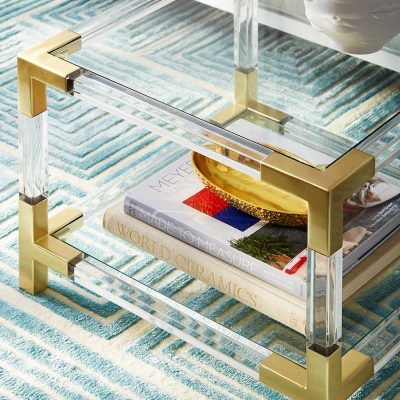
Choose open or light weight furniture, for example sofas and chairs with high legs to allow a more airy feel, or transparent materials like glass or acrylics. These also work well in small spaces as they maintain a sense of space and don’t crowd a room. The Jonathan Adler Jacques Two Tier Table from Sweetpea & Willow is the perfect example of how this can work. The clear acrylic shelves let the light flow around, and the brass accents give contrast that doesn’t dominate the room.

Mirrors and Reflective Surfaces  

Whatever your style, with such a wide variety of mirrors there will be something to suit your room and your taste. It could be a flamboyant statement mirrors; a piece of design art to be admired. Or it could be much simpler. If it’s reflective, it will add to the lightness and sense of space in a room. When placing your mirror, ensure that it is in a place where it is able to reflect light back into the room for maximum effect, and remember to pay attention to the opposite side of the room that will be reflected!

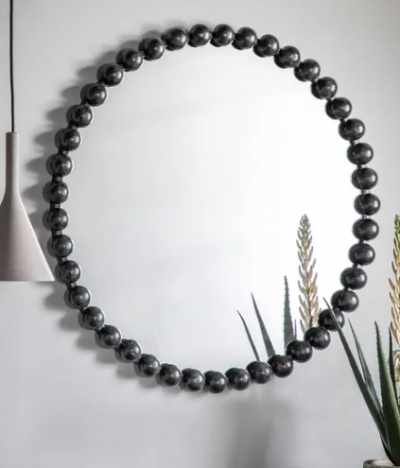
The Annadel Round Mirror from Dunelm is simple yet beautiful, and available in either a black or gold finish. This high end inspired design will add some luxe to your room.

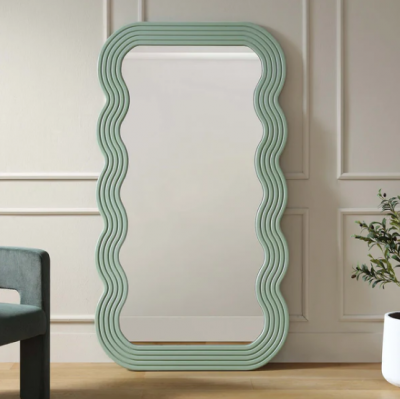
If it’s a full length mirror you’re after, the Venus Full Length Wave Mirror from daals with make a stylish statement in any room with a variety of frame colours available.

Reflective mirrored and polished furniture not only will make the room feel bigger, they are also are an impactful design statement and will reflect light into your room. Whatever you budget you can really make a statement with reflective pieces.

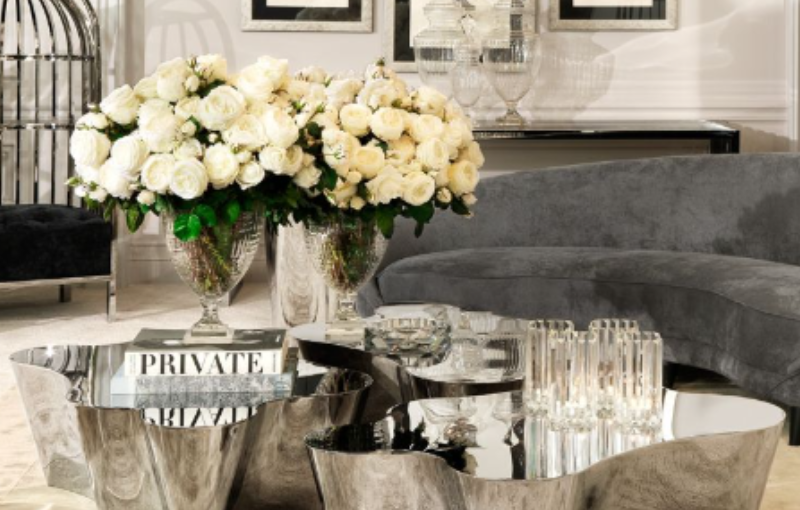
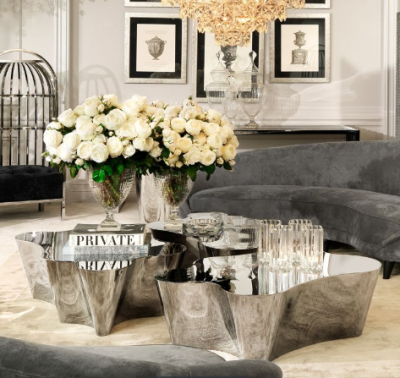
The Eichholtz Sceptre Coffee Table from Sweetpea & Willow is a gorgeous example of contemporary design. Its stainless steel finish gives it the mirrored finish reflecting light.

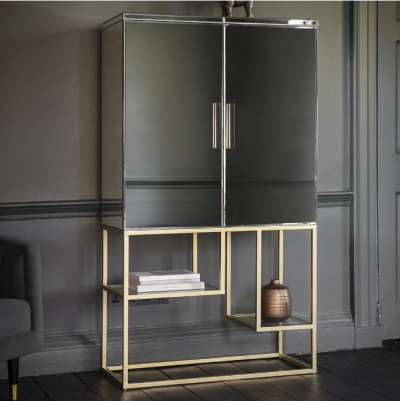
The Pippard Cocktail Cabinet from Olivia’s has elegant simple lines, and he mirror maximises the light in the room, and the gold frame gives it a unique luxury feel; we love this!

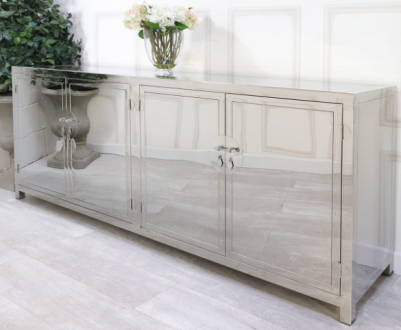
The Sloane Chrome Sideboard from Nicky Cornell is an amazing piece of furniture. Its chrome finish is one to be admired, and it also means that it will blend into any room by reflecting the décor around it. It works brilliantly to provide storage space without detracting anything from the room.

General Tips

  • Keeping a room decluttered and clear will avoid adding shadows to a room
  • Keep your windows and light fixtures clean to maximise both natural and artificial light
  • Sheer curtains will allow some light in even when drawn and make sure any heavier drapes are sat back off the window so that they don’t block any light
  • Trim any trees or plants that are blocking natural light from the window.

For more interior design ideas remember to follow us on Facebook.
Get Ready for Some Outdoor Living

Interior design isn’t always about what’s going on inside your home. At this time of the year you’ll be looking forward to spending time in the garden, and we can help you design a space to allow you to enjoy doing just that.
Whether you’re aiming to create a tranquil oasis, a socialising hub, or a functional outdoor workspace, we are sharing tips to empower you to breathe fresh life into your outdoor areas, and encourage you to see the exterior of your home as an extension of your indoor living space.

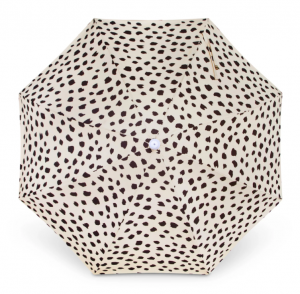
An important part of summer outdoor living is creating shade from the summer sun. Add some style and animal print to your patio with the Black Sands Beach Umbrella from Sunday Supply Co. Its versatility gives you the option to use this in the garden or pack it up and take it to the beach. 

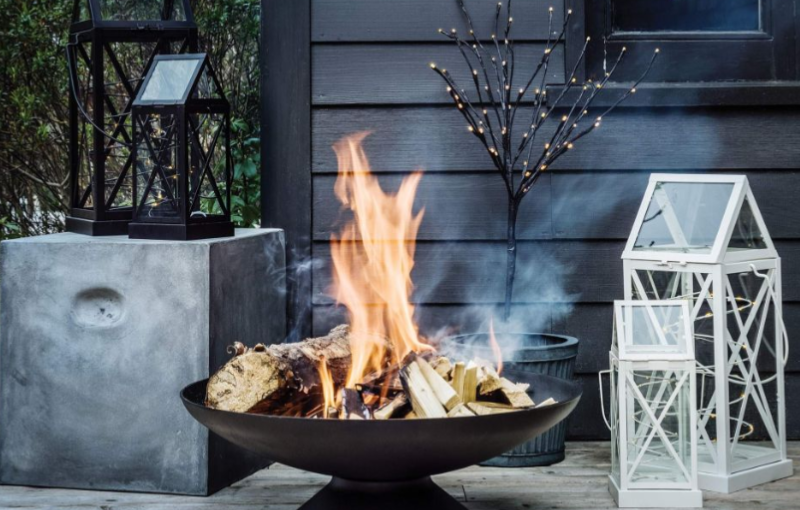
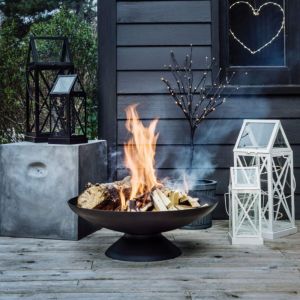
The perfect outdoor living space will give you shade and shelter in the daylight sun, but also provide warmth and light to allow you to use it past dusk and into the evening. A fire pit is the perfect addition to give light as the evenings draw in as well as the all important warmth to take the chill away. We love the Cast Iron Fire Bowl from Graham and Green, a must-have for those who enjoy relaxing and entertaining alfresco.

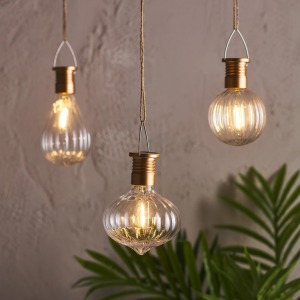
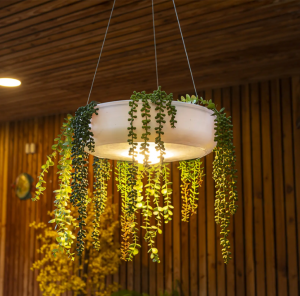
This beautiful hanging light from lights.co.uk can be used both inside or out. With a recess around the light element, you can place faux foliage to hang over the edge of the light creating an eye catching focal point. It’s an innovative way of adding greenery to your patio and decking areas.

A quick and easy way to light up your garden in style is with the Hanging Solar Lights from lights4fun. Simple to hang from trees or your pergola in your favourite sunny spot, they will bring the garden to life every night! 

Soft furnishings and accessories don’t just work inside your home, there is a place for them outside as well. Choose a rug for your patio like the Taro Black & White rug from benuta, to add a homely feel and a touch of cosiness. It is suitable for both in- and outdoor use, meaning you can use it all year round.

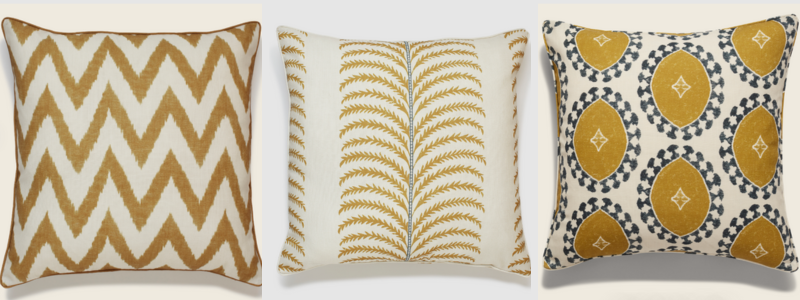
Cushions are a key part of your outdoor comfort, and with a wide choice there will be something for everyone. We love the Zacke, Areca and Contorno cushions from Oka. The qualities of the polyester fabric are that it is shower resistant and anti-mildew, but retains a soft, quality feel. Perfect for use outdoors.

You can go to town with your outdoor space or keep it simple depending on your needs or your style. Here are some quick wins for perking up your patio:

  • Hang an outdoor mirror to create lightness and brightness in even dark corners
  • Have blankets to hand for cuddling up in on chillier evenings
  • Benches and tables with hidden storage can hide away cushions and accessories
  • If space is limited, use vertical space with hanging planters or trellises for climbing plants

Remember to follow us on Facebook for more interior design ideas.