The ‘Why’ for Your Home

We often assume that when a room no longer feels right, the answer is a new sofa, a different paint colour, new accessories or maybe a whole new look inspired by the latest trends.

However as Interior Designers, we start by asking a much more important question: why isn’t this space working for the people who live in it? Even though a room is beautiful, it can still be frustrating to use, and the biggest design challenges may not be the things that stand out immediately. They might be the small frustrations and compromises that have quietly become part of everyday life, a sofa layout that doesn’t work or a perpetually dark and dismal corner.

We look at how you really live in the space

A beautifully designed room is not just about how it looks. It is about how it supports your daily routines.

As designers, we pay attention to the things you may no longer notice. Where do you naturally sit? Which areas of the room do you avoid? Where does clutter repeatedly gather? Which parts of your home are working hard and which are underused?

Often, the answers reveal that your home has simply not evolved alongside your life. A room designed around young children may no longer suit teenagers or a spare bedroom may have slowly transformed into a home office.

We look for the real problem, not just the obvious one

One of the biggest differences between decorating and interior design is understanding the reason behind a problem.

For example, a room that feels cluttered, does not always need more storage. A room that feels empty, does not necessarily need more furniture. A space that feels uncomfortable may not require a complete redesign.

Sometimes the issue is about flow and how you move around a room. Sometimes it is about the scale of the furniture, the way a space is zoned, or how different areas are being used.

By stepping back and looking at the bigger picture, we can help you identify the real issue before investing in a solution that may only temporarily improve things.

We consider the room as a whole

Most homes are not designed all at once. They develop gradually over time.

A sofa chosen years ago. A favourite chair inherited from family. Artwork collected during travels. A lamp bought because it caught your eye.

These pieces often hold memories and tell the story of your home. The goal does not have to be to replace everything and start again. However, sometimes a room becomes a collection of individual choices rather than a space that feels connected and intentional.

As Interior Designers, we look at how everything works together, including the layout, colour palette, textures, proportions, lighting and atmosphere, therefore helping you create a space that feels balanced and truly reflects the people who live there.

The best designs start with questions, not purchases

If you are struggling to understand why a room no longer works, a fresh pair of professional eyes can often reveal possibilities you may never have considered.

Whether you are planning a complete redesign or simply want guidance on making better decisions for your home, we would love to help you uncover the potential in your space.

Get in touch to find out more about our interior design services, and follow us on Facebook for more expert interior design advice, inspiration and practical tips.
Creating Balance in Bright Spaces

When we talk about light in a home, the conversation usually centres around making dark rooms brighter. But spaces filled with natural light come with their own challenges too.

Conservatories, glazed extensions, bright kitchens and south-facing rooms can often feel difficult to balance. During the day they may feel overly bright, washed out or too warm, while in the evening they can suddenly feel flat or lacking in atmosphere. Good interior design is not simply about adding more light — it is about learning how to work with it.

Managing Bright Light

One of the biggest mistakes people make in naturally bright rooms is trying to block the light completely. Heavy blinds or dark curtains can quickly make a room feel disconnected from the very feature that makes it appealing in the first place.

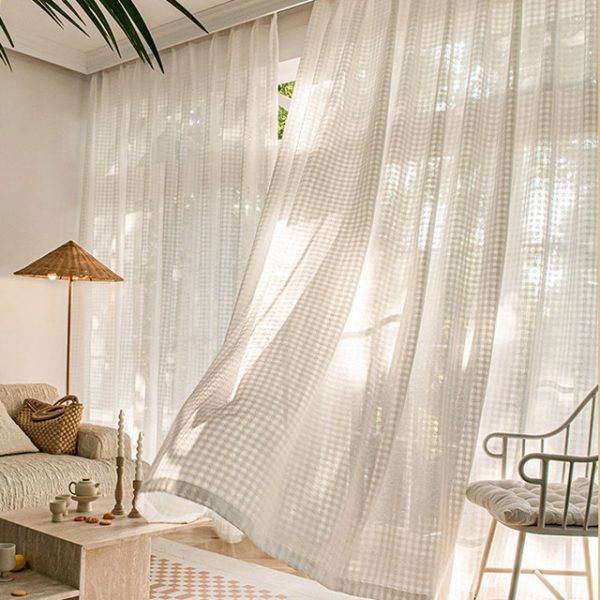
Instead, it is usually more effective to soften and diffuse the light. Sheer voiles, lightweight linens and textured fabrics can help reduce glare while still allowing the room to feel open and airy.

Ethereal grid ivory white linen style sheer curtain from www.voilavoile.com

Texture also affects how light behaves within a room. Glossy finishes and overly reflective surfaces can intensify brightness and create harsh glare, particularly in rooms with lots of glazing. Softer textures through flooring, upholstery, timber finishes or matt paint can help create a calmer atmosphere without making the room feel darker.

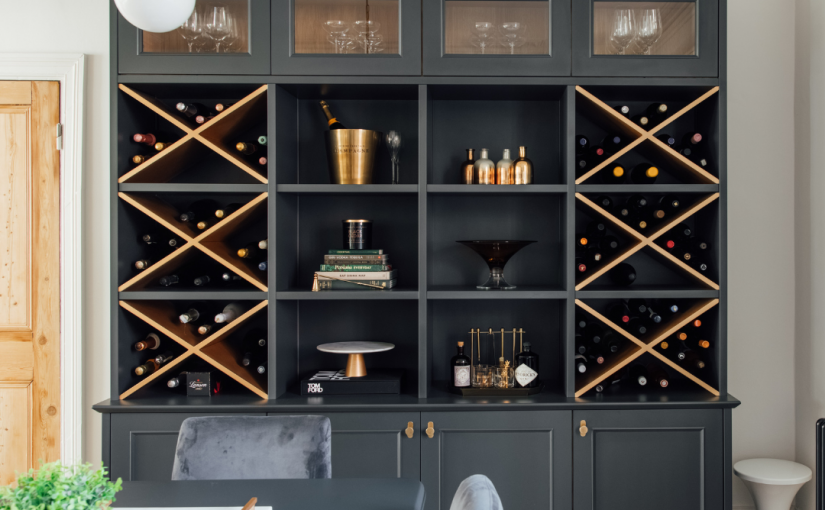
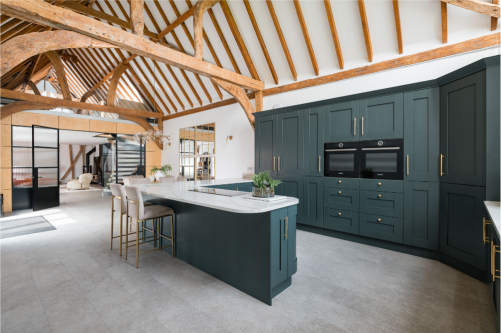
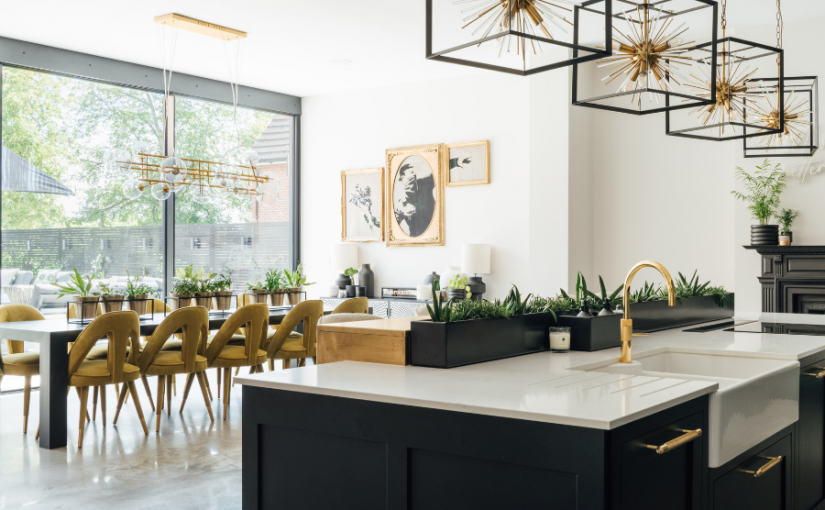
Introducing a darker tone in selected areas can also help create definition in a naturally bright room. This could be through painted woodwork, a chimney breast, built-in cabinetry or another architectural feature. In spaces flooded with natural light, these darker elements can add depth and contrast without making the room feel heavy. They also help create a scheme that feels balanced throughout the year, rather than a room that only works during the brightest months.

Naturally bright rooms still need carefully considered lighting to feel welcoming in the evening. Table lamps, wall lights and softer pools of light help transition a room from daytime brightness into a more relaxed evening environment.

How Natural Light Changes Colour

Natural light has a huge impact on how colours appear in a room, which is why paint can sometimes look completely different once it is on the wall.

In south-facing spaces, warm sunlight can intensify creamy tones, earthy neutrals and warmer colours throughout the day. While this can create a beautiful glow, it can also make some colours feel stronger or more yellow than expected. Cooler tones can help balance this warmth, but in very bright rooms they can occasionally appear flatter or more washed out.

This is why testing colours properly in the room itself is so important. A shade that works beautifully in one room may behave completely differently in another.

Morning light, afternoon sunlight and evening shadows all alter the mood of a space. The most successful schemes are often the ones that feel balanced across changing conditions.

Creating Flow Between Inside and Out

Inspiration from KLG Rutland

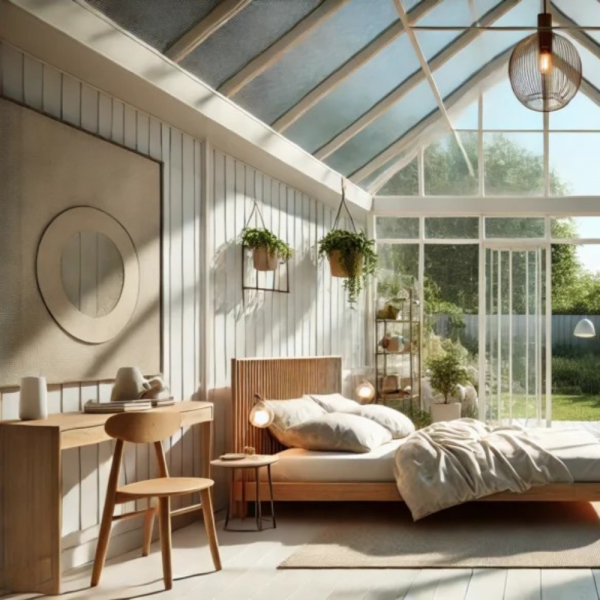
Bright rooms often sit closest to the garden or patio, so creating a sense of connection between inside and outside can make the whole home feel calmer and more cohesive.

This is less about themed styling and more about continuity through materials, tones and layout choices. Flooring can help the transition between spaces feel more natural, while thoughtful furniture placement keeps movement between the house and garden easy and uninterrupted.

Natural materials such as timber, stone, linen and woven textures work particularly well because they soften brighter environments while still feeling timeless and relaxed.

Creating Ambience in Bright Spaces

One of the most overlooked aspects of designing bright rooms is thinking about how they feel after sunset.

A conservatory or glazed extension that feels beautiful at midday can sometimes feel stark in the evening. Layered lighting, texture and zoning all help larger bright rooms feel warmer and more inviting.

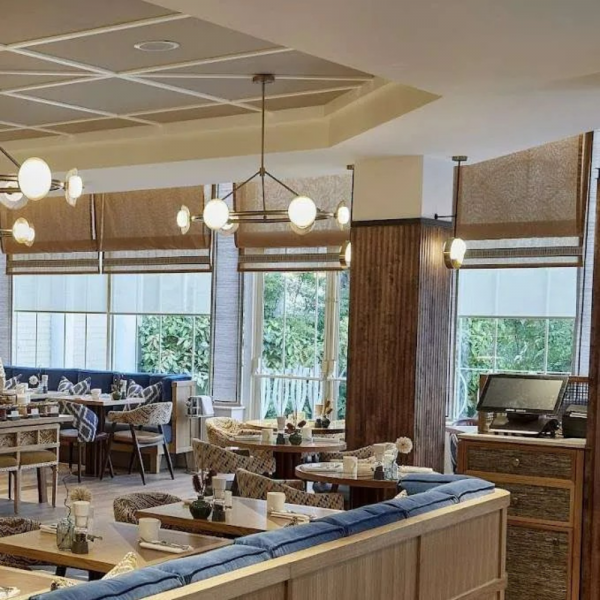
Layered blinds look fabulous in Sopwell House, as featured in Boutique Hotelier. This is one of our favourite local hotels, and it’s a great example of using wood cladding to soften a glazed area.

Ultimately, designing for bright spaces is about understanding how natural light changes the way a room looks, feels and functions throughout the day. When those details are considered carefully, bright rooms become some of the most enjoyable spaces in the home.

Remember to follow us on Facebook for more interior design insights.

Making Bold Colour Choices With Confidence

Bold colour has a way of capturing attention. Whether it’s a striking feature wall, richly painted cabinetry or statement tiles, it often appears in the most inspiring interiors. But while it’s easy to admire, it can feel much harder to commit to in your own home.

Trends come and go, and what feels exciting now can quickly feel dated. More often than not, the hesitation isn’t about liking colour — it’s about wondering whether it’s the right choice for your space, and whether you’ll still love it in a year’s time.

The key to using bold colour successfully isn’t about being brave. It’s about being considered.

Why Bold Colour Can Feel Daunting (And How to Approach It Properly)

Choosing bold colour can feel like a big step. Unlike smaller decorative changes, it’s more visible, more impactful, and often more permanent. That’s what makes it feel daunting.

But this isn’t about taking a leap into the unknown. It’s about making a decision you feel confident in.

Testing is where that confidence comes from. Rather than relying on a small paint card or a quick decision, take the time to see how a colour really behaves in your space. Use larger samples, place them in different areas of the room, and look at them at various times of day. Natural and artificial light will change how a colour appears, sometimes quite dramatically.

Living with a sample for a few days allows you to move beyond first impressions and make a choice that feels right long term.

Start With How You Want the Room to Feel

Before choosing any colour, it’s important to take a step back and think about the purpose of the room.

How do you want it to feel? Energised and sociable, or calm and restorative? A bold colour should support that feeling, not work against it. This is where colour becomes more than a visual choice — it becomes a functional one.

If you’d like to explore how colour influences mood and atmosphere in more detail, you can read more in our blog, The Power of Colour.

Starting with feeling, rather than colour itself, helps guide decisions in a way that feels much more natural and cohesive.

Choosing Where Bold Colour Works Best

Introducing bold colour isn’t about adding more — it’s about placing it with intention.

There are many ways to bring stronger colour into a space. It might be through paint or wallpaper, cabinetry, tiled areas such as splashbacks, or architectural features like panelling and alcoves. The approach you take will depend on the space, but the principle remains the same.

Think about what naturally draws the eye when you enter the room. This is often the best place to introduce a bold element. Used well, colour can highlight key features and create a sense of balance within the space, rather than competing for attention.

It’s also important to consider how the colour sits within the wider home. A bold choice should feel connected, not isolated, particularly in open-plan or adjoining spaces.

Getting It Right: Practical Considerations

Bold colour works best when the practical details are carefully considered.

Light plays a significant role. North-facing rooms can soften and cool colours, while south-facing spaces tend to enhance their warmth and intensity. Understanding this helps avoid surprises once a colour is on the wall.

Undertones are equally important. A colour that looks perfect in isolation may clash when placed alongside flooring, cabinetry or existing finishes. Viewing everything together ensures a more cohesive result.

Taking time with these decisions makes all the difference. The most successful schemes are rarely rushed.

Refining Your Colour Choice

If you’re unsure about committing to bolder colours, it can help to look at less primary options.

For example, a deep grey-blue or grey-green can feel softer and easier to live with, while still adding the sense of drama you’re looking for. If you’re leaning towards warmer tones, there are some beautiful deep burgundy and maroon shades available at the moment. These work particularly well in cosy spaces such as dining rooms or snugs, where you want to create a more intimate feel.

Another way to approach a darker colour palette without it feeling overwhelming is to be more selective about where you use it. Applying colour to woodwork or the ceiling allows you to introduce depth and contrast, while keeping the walls lighter and more neutral.

Confidence Comes From Clarity

Using bold colour doesn’t need to feel overwhelming. When decisions are guided by purpose, placement and careful testing, they become much easier to make.

A well-chosen colour has the ability to completely transform a space, adding depth, character and a strong sense of identity.

If you’re unsure where to start, this is exactly where professional guidance can help bring clarity and confidence to your decisions. And for more ideas and inspiration, you can follow along on Facebook.

The Power of Light in Design

At certain times of year, your home can feel different almost overnight. Colours appear sharper. Corners feel brighter. Rooms that once felt calm suddenly seem heavier.

It is not the décor that has changed. It is the light.

Natural daylight shifts gradually throughout the year, altering how we experience colour, texture and proportion. Understanding how light behaves in your home is one of the most powerful design tools you have. But first –

Take a Look at What Needs Attention 

As our homes become brighter, the light can show up imperfections in our interiors that are less visible in the darker months – for example, paint work might need touching up, a stained cushion or a faded curtain might need be replaced. Identifying these areas can be a great place to have a design rethink and get your home ready for light and sunny days.

Understanding How Light Moves Through Your Home

Every property has its own rhythm. North facing rooms receive cooler, more consistent light. South facing spaces are warmer and brighter for longer periods. East facing rooms feel fresher in the morning. West facing rooms become warmer later in the day.

This matters when choosing colour:

In north facing rooms, cooler light can make greys feel flat or slightly blue. Instead, warmer neutrals with subtle beige or greige undertones such as Farrow and Ball’s Skimming Stone will create a better balance. In south facing rooms, strong yellow undertones can be too much; softer, muted neutrals tend to feel more controlled and elegant. We have been loving Farrow and Ball’s Stony Ground and Stirabout recently as warm classic tones that are not too yellow in the base tone.

East facing rooms respond well to soft warm whites or muted greens such as Farrow and Ball’s Lichen which is a lovely soft green that feels both timeless and modern. West facing spaces can handle slightly cooler tones to balance evening warmth. Farrow and Ball’s Selvedge is a rich blue with cooler undertones that would complement a west facing room.

Sampling paint at different times of day is essential. A colour that works beautifully at midday may feel completely different at dusk so make sure you keep samples in place for at least 24 hours to view the tone in every light.

Making the Most of the Light You Have

Mirrors, glazed ceramics and metallic details help distribute light more evenly. A mirror placed opposite a window can draw daylight further into the room. Positioned at the end of a hallway, it can soften what might otherwise feel like a dark stop. Above a fireplace, it can lift and brighten a focal point. Below you can see this working to great effect with the Fenton Mirror from Industville.

However, always consider what the mirror reflects as although the mirror itself might be in the perfect spot, what is it reflecting might be less than ideal!

Artificial Light Shapes the Evening

Natural light is only half the story. The way your home feels in the evening matters just as much.

Layered lighting creates flexibility:

  • Ambient lighting provides overall glow.
  • Task lighting supports function.
  • Accent lighting highlights architectural details or artwork.

Colour temperature should be chosen carefully. Very warm bulbs can distort neutral paint colours. Very cool bulbs can flatten texture. A balanced warm white usually works best in living spaces, while kitchens and utility areas may benefit from slightly brighter clarity.

If you need help using light in your interiors, get in touch. And for more interior design ideas and practical advice, follow us on Facebook.

Falling Back in Love with Your Home

It’s common for all of us to fall out of love with our homes from time to time.
We might feel like they’re no longer working for us, we’ve grown tired of the décor, or the space simply feels a little flat. Depending on what’s causing that sense of discomfort, it may be a more considered interior overhaul that’s needed — or it could be that a few focused updates will do the trick.

Either way, it is possible to fall back in love with your home. The key is understanding what’s not working before deciding how to change it.

Analyse the Discomfort

When we work with clients, one of the most important stages of the design process is understanding how their home needs to work. Before colours, furniture or finishes are discussed, we focus on function — how spaces are used, what feels awkward, and what’s missing.

You can start this process yourself by asking a few focused questions:

  • Which rooms feel easiest to be in, and which feel slightly uncomfortable or unfinished?
  • Where do you naturally sit, walk or gather — and where do you avoid?
  • Are there areas that feel cluttered, dark or impractical at certain times of day?
  • Do the rooms support how you live now?

These observations often point to layout, flow or lighting issues rather than purely decorative ones.

Getting the Right Help

Layout is one of the most common reasons homes don’t feel quite right — and it’s something we help clients with every day. Furniture that’s the wrong size or shape, tight spots, or underused areas can all create frustration, even when individual pieces are beautiful.

Often, just a couple of hours working together to review layout, flow and scale is enough to resolve issues that might otherwise linger for years. We look at how rooms are used day to day, whether key pieces are in proportion, and how the space can work more effectively.

Alongside layout guidance, we can also source the right pieces for your home. With our industry knowledge and trusted supplier contacts, we create tailored shortlists that suit your needs, budget and style — saving time and avoiding costly mistakes.

Consider the Spend

Sometimes, loving your home more does involve investing — but the key is spending with intention.

We always advise investing in the highest quality you can afford for key pieces such as sofas, dining tables and beds. These items take the most wear and have the greatest impact on how a home functions day to day.

Rather than spreading budget thinly, one well-chosen, versatile piece — whether that’s a sofa, dining table or armchair — can anchor a room and allow the rest of the scheme to evolve around it.

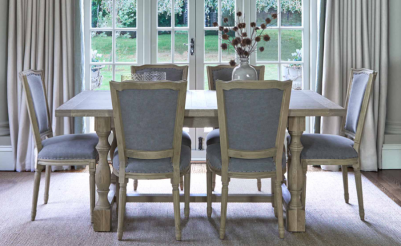
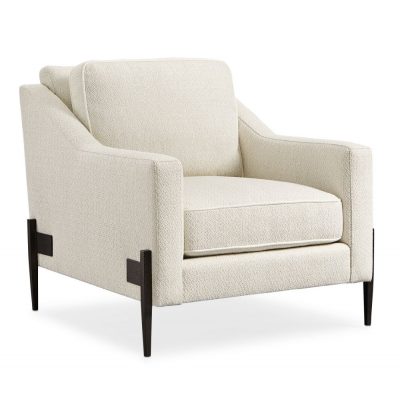
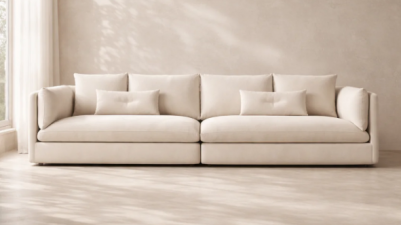
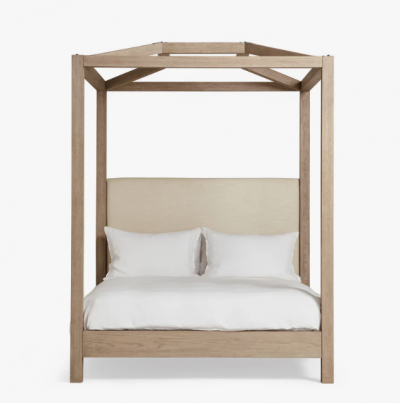
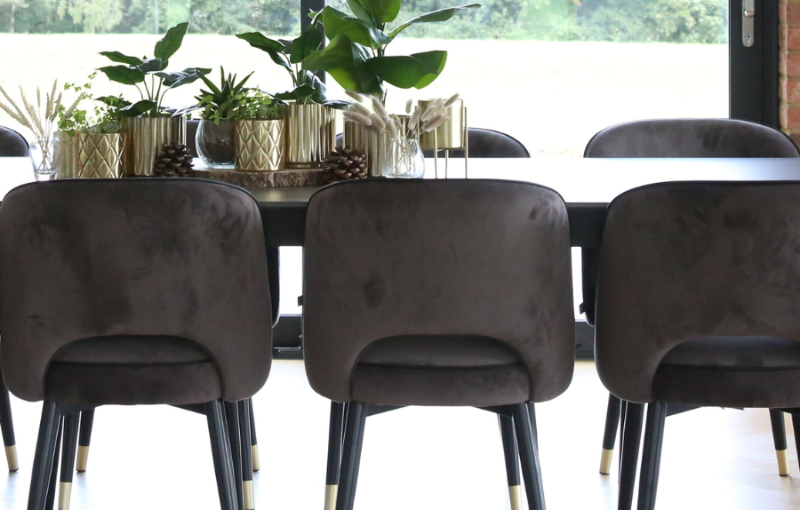
We love the timeless design of the Montague Weathered Oak Dining Table fromLa Residence Interiors, the Modern Remix Armchair from Olivia’s, and the Axis 4-Seater Sofa fromHouse of Isabella, all of which offer longevity and flexibility. In bedrooms, the Hester Four-Poster Bed fromOKA is a beautiful investment that combines comfort and luxury with lasting design.

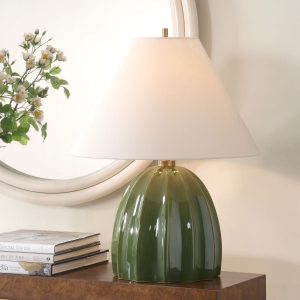
Lighting is another area where quality matters. Thoughtfully planned lighting, using a mix of fittings and light sources, often makes the difference between a space that looks finished and one that genuinely feels comfortable. We love the Renna Table Lamp in Moss Green fromSweetpea & Willow; it is a great example of a classic piece that won’t date.

Creating a Look That Evolves with You

Once the fundamentals are right — flow, layout and function, with key pieces in place — creating the look you want becomes much simpler.

With a strong foundation, it’s easy and cost-effective to refresh your home through wall colours, soft furnishings and accessories, without needing to rethink everything. Homes designed around function first tend to adapt more easily, supporting how you live now and into the future.

For more interior design ideas, follow us on Facebook — and contact us if you’d like support with your home or a specific project.

Simple Ways to Reflect the Season with Colour

Colour has an extraordinary ability to transform a space. It can lift a tired room, add a sense of fun or calm, and even change how we experience light. But using colour well isn’t about following trends or painting everything the on-trend colours.  It’s about choosing tones with purpose — and knowing how to balance them to get the effect you want.

We are going to help you use colour confidently in your home. Read on and learn how to harness colour to reflect the summer season around us.

  • Start with the Feeling

The first step in using colour effectively isn’t picking paint — it’s understanding the feeling you want the space to create. Do you want a room to feel fresh and energised? Light and airy? Calm and grounding?

For example, blues and soft greens tend to evoke a sense of peace and spaciousness, making them perfect for bedrooms or home offices. Warm tones like earthy taupes and soft terracotta can bring a comforting glow — ideal for kitchens or living areas where you want warmth and welcome.

This emotional connection is where good colour choices begin. It’s also where our role, as interior designers, can be most helpful: interpreting how you want to feel and translating that into a practical palette that suits your home’s style, light and proportions.

To read more about the power of colour, click here to read our blog the power of colour.

  • Balance Your Colours

Strong colours and bold patterns can be beautiful, but they’re most effective when used with care. Rather than covering a whole room in vibrant tones, think about using them as highlights — a carefully planned feature wall doesn’t have to be cliche, it’s about ensuring the base tones are cohesive throughout the space and the wall feels planned and thought through – not added randomly – or try  a patterned chair, or a few key accessories such as lamps or artwork  against a neutral backdrop.

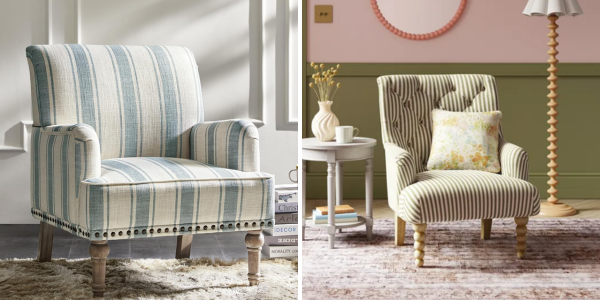
We love… the Hulala Home Modern Accent Chair from Amazon and the Adrianna Linford Stripe Armchair from Dunelm. Stripes are working well right now, but also are more timeless than other prints

This not only creates more visual impact but keeps your space feeling calm and considered. Using colour in this way also gives you the flexibility to update your scheme easily — whether seasonally or simply when you fancy a change. A few cushions or ceramics in a new shade can change the mood of a room without changing everything.

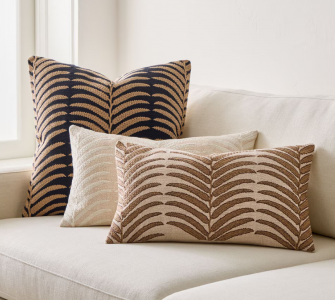
We love… the Woven Palm Cushion Covers from West Elm which are easy to use and style as work well together to give a botanical feel with warm tones.

  • Swap in seasonal textures and fabrics

One of the easiest ways to refresh your space for summer is through textiles. Changing up cushions, throws or even curtains is a quick way to introduce colour without long term commitment — and it allows you to reflect the season with very little effort. If you’re using accessories for pops of colour, you can change the feel of the room whilst making sure the colours are balanced.

In summer, we tend to use more natural, breathable materials: cottons, linens and voiles. These not only feel lighter, but they carry colour in a soft, diffused way that suits the brighter days.

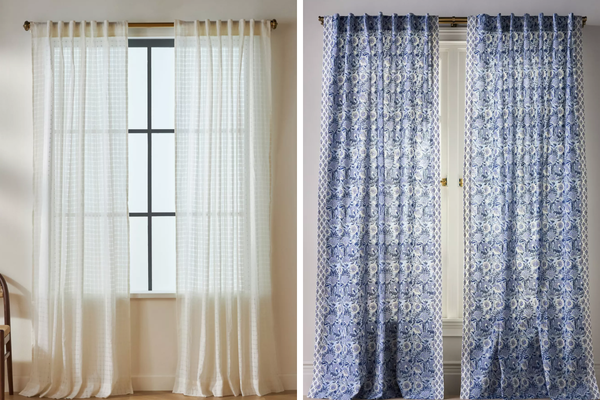
We love… The Sheer Grid Curtain from Anthropologie or for something bolder, go for the Cotton Woven Block Print Curtain also from Anthropologie.

  • Let nature inspire the palette

Summer is a season of rich, natural colour — and it’s the perfect time to bring the outside in. From floral tones to leafy greens and terracotta earth shades, nature provides one of the most timeless and satisfying palettes available.

Consider introducing cut flowers, indoor plants or terracotta pots on windowsills. These bring natural movement and softness to a room, and help create a visual link between indoor and outdoor spaces — especially in homes with gardens, patios or bifold doors. Faux florals and foliage is a great alternative to fresh flowers and plants if you’re not green fingered or want a low maintenance options.

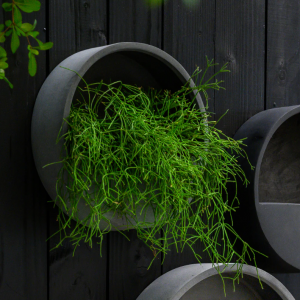
We have recently used the Wally Natural Plant Holders from Hortology in the renovation of Real Coffee Shop in Bedford with plants from Not Another Jungle. These two are just around the corner from each other, so why not grab a coffee and then head for a browse at the gorgeous greenery!

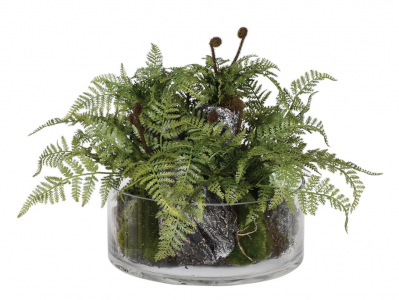
We have used the Moorside Faux Fern Ornament in a Glass Bowl from Shropshire Design multiple times with different clients. It’s perfect for areas where you want a wide but low-profile piece, such as coffee- or side-tables.

These small touches often do more to connect a room to the season than any trend-led makeover.

  • Avoid trend-chasing

At Interiors at 58 we keep up to date with trends and are often inspired by what is around us, we don’t, however, follow trends for the sake of it. This will lead to interiors that easily date and often aren’t quite right for your home. The choice is colour is deeply personal, and what works in one home might not feel right in another, or even if one area or your home or another as light can really affect the way a tone feels in a room. This is why we work with people – our clients – and not from trends. The goal is always to reflect your style, taste and lifestyle — not what’s current on social media.

Currently, we are seeing a rise in softer, sun-washed tones: muted greens, warm putty, earthy pinks and pale yellow accents. These colours are gentle but cheerful — and incredibly liveable. If these are right for you and your home, they could well be on the short list.

If you’re ready to bring more colour into your home but aren’t sure where to start, we’d love to help. Whether it’s a full redesign or a seasonal refresh, we can guide you in choosing the right palette, textures and details to reflect your style and bring your space to life — this summer and beyond. And remember, for more ideas and inspiration follow us on Facebook.

Interior Styling Inspired by Nature’s Palette

As the garden starts to bloom and warmer days are here to stay, it’s only natural to start thinking about how we can bring a little of that outdoor feeling indoors. The garden might be the star of the show in summer — but there’s something lovely about letting its influence spill into our interiors too.

There are lots of ways that you can bring the summer season indoors, regardless of your outdoor space. Use colour, materials, light and layout to make subtle inferences of summer. This all helps your home feel fresher, calmer and more connected to nature, and we going to help get you get started!

Let Nature Set the Palette

One of the easiest ways to mirror the outdoors in is through colour. Soft greens, warm terracottas, leafy neutrals and fresh floral tones all take their inspiration directly from nature — and they work beautifully inside. Think about introducing these tones through textured paint, natural feel soft furnishings, ceramics, or artwork. Just one or two well-placed touches can completely shift the mood of a space.

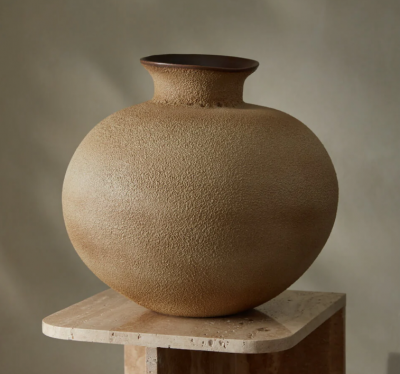
We love… The Alvaro Round Vase from Layered Lounge; its bubbled texture, terracotta colour and rich glaze inside bring that natural look whilst adding interest to the room.

Bring in Natural Textures

Just as the garden is full of texture, your home can be too. Materials like rattan, jute, linen, bamboo and wood are timeless, versatile and work brilliantly through summer and beyond. From a woven lightshade to a wooden side table or a textured throw, these pieces help a room feel grounded, layered and easy to live in.

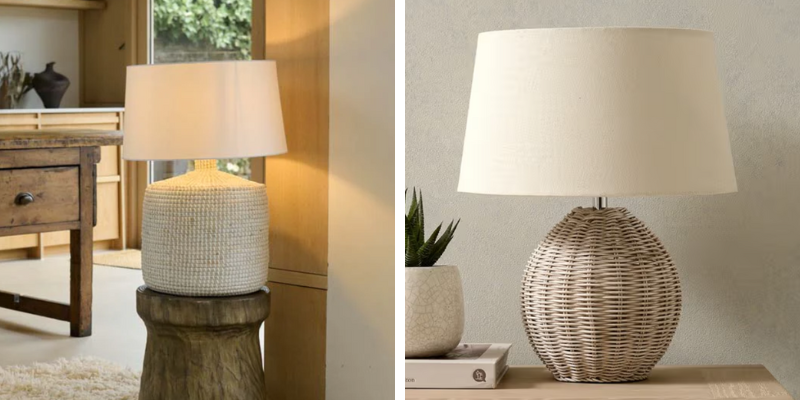
We love… The Devoran Seagrass Table Lamp from Abigail Ahern and the Rattan Table Lamp from The Cotswold Company. The natural colours and fibres mean that both of these absolutely fit the brief.  

Add Life with Plants

Greenery brings freshness and softness into a home, instantly making it feel more alive and connected to the season. Whether it’s a potted plant, cut stems from the garden, or a vase of blooms on the table, these small touches create a sense of both joy and calm.

There are emotional benefits too — plants and flowers often make a space feel more welcoming and can subtly lift our spirits. Faux flowers and foliages have their place as well. With no need for upkeep, they’re ideal for low-light areas or busy lives, and with the right styling, they can offer great value, long-lasting impact, and a more sustainable approach to seasonal decor.

Think About the Light

Natural light is in abundance right now, so let’s make the most of it for an instant boost of brightness and freshness. Even small changes can help you take full advantage of it. Swapping out heavy curtains for soft linens or sheers is a simple way to let more sunshine in while still keeping a sense of privacy. Mirrors placed opposite windows can bounce light around and help open up smaller or darker spaces.

If you’re lucky enough to have garden views, frame them thoughtfully. Keep windows clear of clutter and choose window dressings that don’t steal the spotlight. The goal is to create a soft visual connection between inside and out — so even when you’re indoors, there’s a little bit of the outside coming in.

Create a Seamless Flow

If your home opens onto a garden or patio, it’s worth thinking about how those spaces relate to one another. Echoing colours, textures, and materials between adjoining rooms and outdoor areas can help create a natural sense of flow. It might be as simple as repeating a tone from your kitchen cabinetry in your plant pots outside, or mirroring the wood of a dining table in your choice of decking or outdoor furniture.

Soft furnishings are another lovely way to build that connection. Cushions, rugs, stools and side tables designed for indoor-outdoor use are becoming increasingly popular, and they allow you to create comfort and style that extends from one space to the next. Whether you’re enjoying the view from indoors or stepping outside with a drink, this kind of cohesion brings a calm, collected feel to both areas.

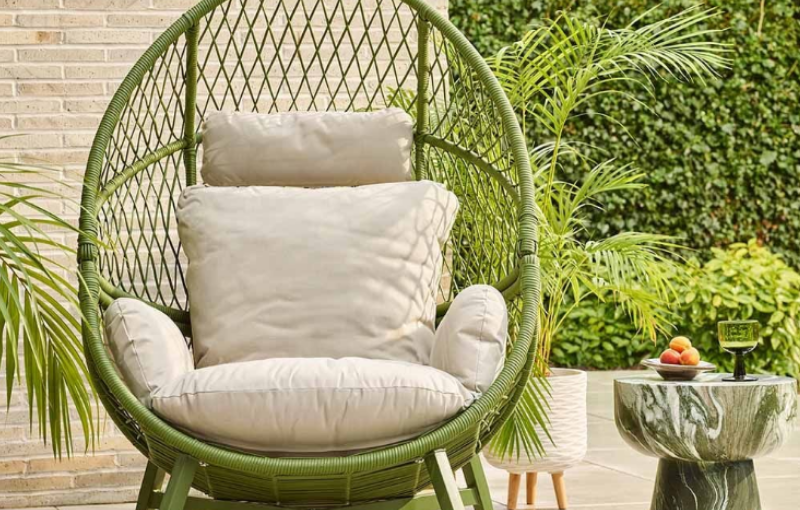
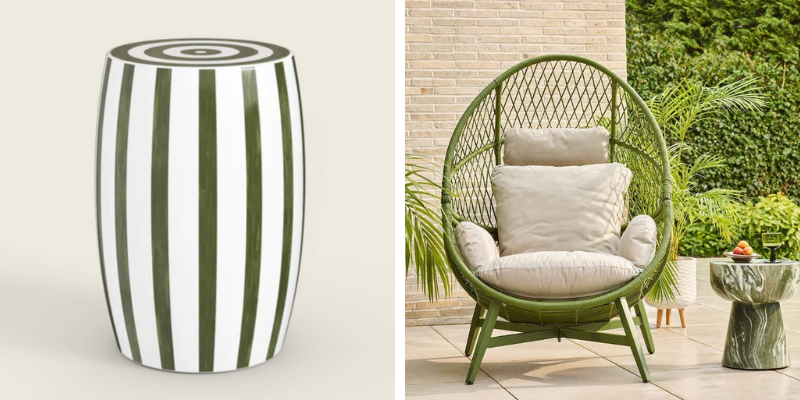
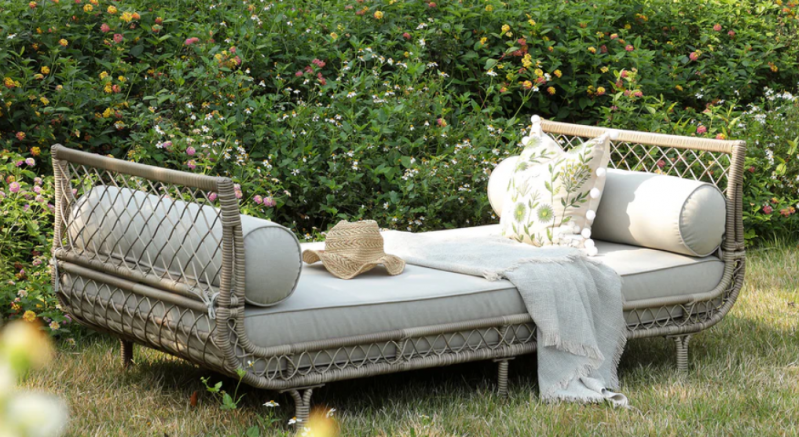
We love… The Rander Ceramic Stool from Oka  which can be used in- or outdoors, and can even double up as  a makeshift table if needed. The Lauren Cocoon Chair  from Atkin and Thyme is a wonderful addition in the garden, but could easily be installed in a conservatory to transition nicely from in to out.  Similarly, the Willowbrook  Lattice Weave Rattan Daybed from Daals can be the perfect place to relax inside or out.

Bringing the outdoors in doesn’t have to mean big changes — it’s about finding small ways to reflect the season, the light, and the life happening just outside your door. These subtle nods to the garden can help create a home that’s bright, relaxed, and full of seasonal ease — no matter what’s happening outside.

Remember to follow us on Facebook for more interiors design inspiration.

Naturally Beautiful Interior Design

We cannot avoid nature and its beauty right now. Spring is well and truly springing, we’re letting it inspire us — and we’d like to invite you to be inspired too. Nature and sustainability go hand in hand, and they’re very much front of mind at the moment.

When working on our clients’ design projects, sustainability is increasingly part of the conversation. That’s what inspired us to share a few thoughts on embracing natural materials in your home, choosing sustainably, and sourcing locally. Read on for our ideas and suggestions…

The Power of Natural Materials in Your Home

Bringing natural materials into your home is one of the simplest ways to create a space that feels calm, comfortable, and connected to the world outside. Materials like wood, stone, clay, linen, and wool have been used in interiors for centuries — and for good reason. They’re hardwearing, timeless, and tend to get better with age.

Wood, for example, adds warmth and character — whether it’s oak flooring, a solid dining table, or simple shelving. Choosing reclaimed or sustainably sourced timber means you’re not just adding beauty but making an environmentally conscious choice too.

Stone, slate, and terracotta help ground a space, bringing in earthy textures that feel both rustic and refined. Meanwhile, natural fabrics like linen, wool, and cotton are ideal for soft furnishings — breathable, tactile, and often kinder to the planet than synthetic alternatives.

Using these materials helps create a home that feels considered, lived-in, and connected to nature — a space designed to last.

Why Sustainability Matters in Interior Design

Sustainability may be a buzzword, but when it comes to our homes, it really does matter. Interiors shouldn’t just be about how things look — it’s about knowing where items come from, how they’re made, and being confident they’ll stand the test of time.

Much like fast fashion, interiors can fall into the trap of “fast buys” — cheap, mass-produced pieces that only last a season or two before ending up in landfill. It’s wasteful, and often, these pieces feel impersonal.

Our advice? Buy the best quality you can afford. It’s definitely a case of quality over quantity. Well-made furniture and décor last longer and usually carry more character too. Reclaimed wood, recycled materials, and vintage finds are brilliant ways to reduce your environmental impact while adding something truly unique to your home.

The Importance of Shopping Local

Shopping local isn’t just good for the community — it’s a brilliant way to add something truly individual to your home. Whether it’s handmade ceramics from a local potter or a piece of furniture crafted by a nearby workshop, these are the pieces that bring character and a real sense of place.

Buying from small businesses or local makers also helps reduce the environmental impact of mass production and long-distance shipping. Fewer miles travelled means a smaller carbon footprint — and it often means better quality, too.

There’s also something special about knowing the story behind the things you live with every day. When you buy local, you’re supporting someone’s craft, skill, and livelihood — and that connection makes your space feel all the more meaningful.

Some of our favourite local suppliers are: Not Another Jungle for plants; The Picture Gallery for framing; and JS Designs for kitchens.

Designing with Nature in Mind

It’s not just about the materials we choose — how we design and arrange our spaces can help create a stronger connection to nature. Thoughtful design choices make a home feel calmer and lighter.

Start by thinking about natural light. Maximising light lifts a space and blurs the line between indoors and out. Keep window dressings simple and opt for lighter fabrics that let the sunshine in — it makes all the difference as the days grow longer.

Choosing a natural, earthy palette helps bring the outdoors inside. Soft greens, warm neutrals, and muted blues create a restful backdrop and pair beautifully with wood, stone, and natural textiles. Layering different textures — linen, wool, ceramics — adds warmth and depth without overpowering the space.

Where you can, create sightlines to gardens or any greenery outside. Even the smallest view can help a room feel more connected to nature. And of course, adding plants indoors is always a good idea — they soften a space instantly and breathe life into your home.

Natural materials, sustainability, and thoughtful design can transform your home into a calm, beautiful space that feels connected to the world around you. By choosing quality, supporting local makers, and designing with nature in mind, you’ll create a home that not only looks good — but does good too. Remember to follow us on Facebook for more interior design inspiration.

Make the Most of Your Small Rooms with Clever Interior Design

When it comes to decorating small spaces, it’s essential to be creative and make the most of every inch of available space. Whatever the size of your space, interior design can help you create a comfortable and more functional home. Here are our top ideas to make the most out of your compact living space.

  1. Choose the Right Colours

Colours play an essential role in interior design. Using lighter colours can make a small space appear larger and more open. Neutral colours like beige, white, and grey work best, but you can add pops of colour with accessories or accent walls. Avoid using too many bold and dark colours, which can make the space feel smaller and cramped. The exception to this rule would be if you are trying to create a space that suits darker tones such as a snug or den, or possibly even a bedroom. If you use darker colours in smaller spaces we would suggest really embracing this look and painting the whole room in your chosen shade, including skirtings and ceilings to make the walls feel taller and prevent paint changes dividing the room.

  • Use Multipurpose Furniture

In small spaces, every inch counts. Choose furniture that serves multiple functions, like a sofa bed, a storage ottoman, or a coffee table with hidden storage. This will help you maximise your space without sacrificing style or comfort. Folding chairs and tables are also great options as they can be easily stored away when not in use.

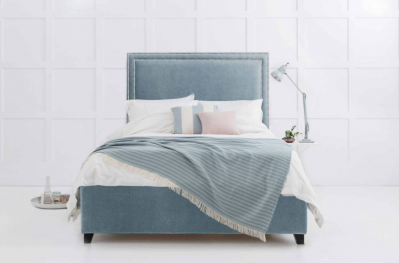
Beds can be wonderfully versatile when it comes to being multi-purpose and having hidden storage. The Charlotte Storage Bed from Love Your Home is a perfect example. It comes with plenty of ottoman storage inside the bed so that you can keep your bedroom clutter free. A great stylish addition.  

  1. Make Use of Vertical Space

When you’re working with limited floor space, it’s essential to think vertically. Install shelves or bookcases that reach up to the ceiling. This will not only provide additional storage space but will also draw the eye upwards, making the space feel taller.

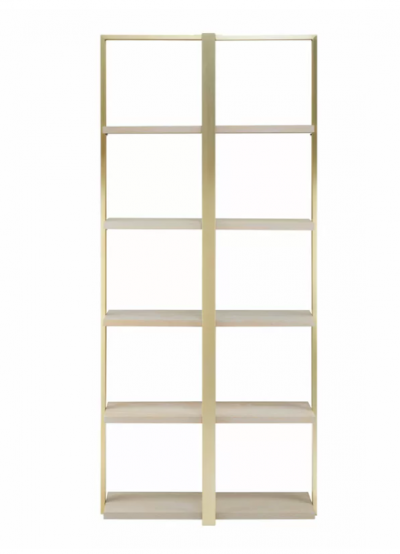
You will pay more for extra tall storage such as this stunning brass shelf unit from Wayfair, but at 220cm it gives a really good amount of extra storage compared to a typical height of around 180cm, and also will enhance the room aesthetically with its subtle luxury feel.

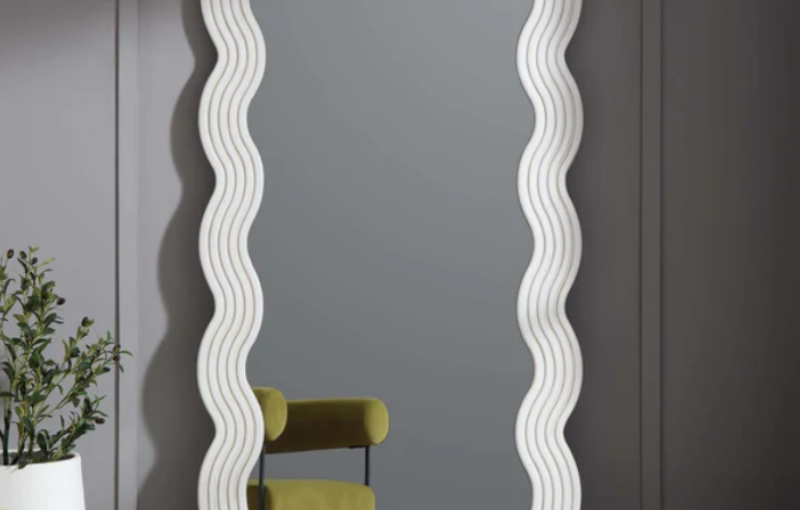
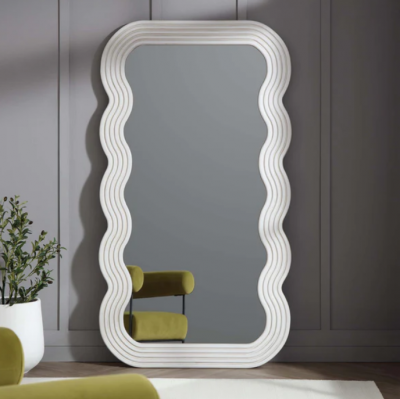
Hanging plants, artwork, or mirrors can also create the illusion of more space. The Venus Full Length Mirror from Daals is a perfect addition to make this illusion work.

  1. Keep it Simple

When it comes to decorating a small space, less is often more. Stick to a minimalist design with clean lines and simple shapes. Avoid clutter by limiting the number of decorative items and keeping everything organised. Use storage solutions like baskets, bins, and shelves to keep things tidy and out of sight.

  1. Use Light to Your Advantage

Natural light can make a small space feel larger and more open. Keep windows clear of obstructions and use sheer curtains or blinds that allow natural light to filter through. If your space doesn’t get enough natural light, consider adding artificial lighting, like lamps or track lighting. This will not only brighten up your space but can also create a cosy ambiance.

We love these linen-blend curtains from H&M which will allow your room to stay retain its light and brightness.

Interior design isn’t exclusive; whatever the size or shape of your home, a design can be created to make the very best out of what you have. Even in a small space you can create a comfortable and functional home that maximises every inch available.

For more interior design ideas and tips, follow us on Facebook.