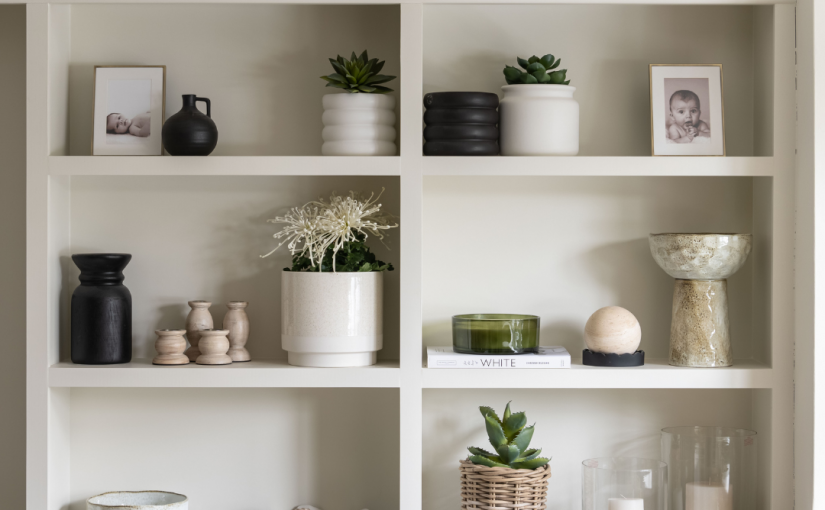
The Principles of Beautiful Styling

Beautifully styled homes often look effortless, but there’s usually much more thought behind them than first meets the eye.

It’s easy to assume the secret lies in buying the right accessories, but in reality it’s less about what you choose and more about how you use it. Interior designers look at a room as a whole, considering balance, proportion and how each piece contributes to the overall feel of the space.

Styling isn’t an exact science, and much of it develops through experience. However, there are a few principles that can help you look at your own home with fresh eyes.

Think in Arrangements, Not Individual Objects

Rather than styling one item at a time, think about how pieces work together as a collection.

A simple arrangement might include:

  • A group of three or five objects
  • A tray to bring items together
  • Pieces that naturally complement one another

The aim is to create one considered display rather than several separate objects competing for attention.
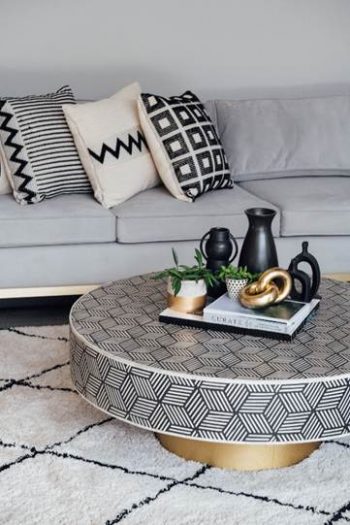
Group accessories together rather than styling one item at a time. A collection will often feel more balanced than individual pieces.

Create Layers

Displays often feel more interesting when they have depth.

Instead of placing everything in a straight line, consider layering pieces together by using:

  • Books to introduce height
  • Artwork behind accessories
  • Objects positioned slightly in front of one another

Small changes like these can make a display feel more natural and considered.
Stack items in front of one another instead of placing everything in a straight line to create depth and interest.

Focus on Balance Rather Than Matching

A well-styled space doesn’t need everything to match perfectly.

Instead, think about creating balance by varying:

  • Height
  • Shape
  • Size
  • Texture

Combining different materials, such as ceramics, glass, wood and woven finishes, helps create interest without making a display feel busy.
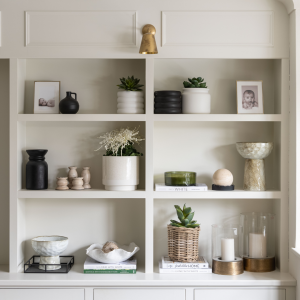
Balance comes from mixing different heights, shapes, sizes and textures, not from everything matching perfectly.

Leave Space to Let Your Styling Shine

One of the easiest mistakes to make is trying to fill every shelf or surface.

Giving your displays a little breathing room allows each piece to stand out and creates a calmer, more balanced feel.

If something doesn’t quite look right, try removing an item before adding another. Sometimes less really is more.
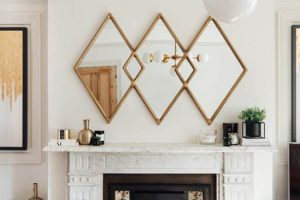
Less is more. Leaving space around your displays often has more impact than filling every shelf.

Style for Your Home, Not Someone Else’s

The most memorable interiors aren’t filled with expensive accessories. They’re filled with pieces that have meaning.

Books you’ve enjoyed, favourite ceramics, treasured finds or family photographs all help tell the story of the people who live there. Mixing these personal touches with decorative pieces creates a home that feels authentic rather than staged.

Your home should reflect your lifestyle and personality, not simply recreate a photograph you’ve seen online.
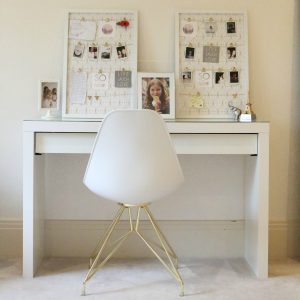
The most memorable interiors are filled with pieces that have meaning, not simply pieces that match.

Styling isn’t about following a set of rigid rules or buying more decorative pieces. It’s about understanding a few simple principles and applying them in a way that feels right for your home.

By thinking in arrangements, introducing layers, creating balance, leaving space for the eye to rest and choosing pieces that have meaning, you can create displays that feel thoughtful, welcoming and beautifully considered. Sometimes the smallest adjustments are all it takes to make a room feel complete. For more interior design advice and guidance, remember to follow us on Facebook.
The ‘Why’ for Your Home

We often assume that when a room no longer feels right, the answer is a new sofa, a different paint colour, new accessories or maybe a whole new look inspired by the latest trends.

However as Interior Designers, we start by asking a much more important question: why isn’t this space working for the people who live in it? Even though a room is beautiful, it can still be frustrating to use, and the biggest design challenges may not be the things that stand out immediately. They might be the small frustrations and compromises that have quietly become part of everyday life, a sofa layout that doesn’t work or a perpetually dark and dismal corner.

We look at how you really live in the space

A beautifully designed room is not just about how it looks. It is about how it supports your daily routines.

As designers, we pay attention to the things you may no longer notice. Where do you naturally sit? Which areas of the room do you avoid? Where does clutter repeatedly gather? Which parts of your home are working hard and which are underused?

Often, the answers reveal that your home has simply not evolved alongside your life. A room designed around young children may no longer suit teenagers or a spare bedroom may have slowly transformed into a home office.

We look for the real problem, not just the obvious one

One of the biggest differences between decorating and interior design is understanding the reason behind a problem.

For example, a room that feels cluttered, does not always need more storage. A room that feels empty, does not necessarily need more furniture. A space that feels uncomfortable may not require a complete redesign.

Sometimes the issue is about flow and how you move around a room. Sometimes it is about the scale of the furniture, the way a space is zoned, or how different areas are being used.

By stepping back and looking at the bigger picture, we can help you identify the real issue before investing in a solution that may only temporarily improve things.

We consider the room as a whole

Most homes are not designed all at once. They develop gradually over time.

A sofa chosen years ago. A favourite chair inherited from family. Artwork collected during travels. A lamp bought because it caught your eye.

These pieces often hold memories and tell the story of your home. The goal does not have to be to replace everything and start again. However, sometimes a room becomes a collection of individual choices rather than a space that feels connected and intentional.

As Interior Designers, we look at how everything works together, including the layout, colour palette, textures, proportions, lighting and atmosphere, therefore helping you create a space that feels balanced and truly reflects the people who live there.

The best designs start with questions, not purchases

If you are struggling to understand why a room no longer works, a fresh pair of professional eyes can often reveal possibilities you may never have considered.

Whether you are planning a complete redesign or simply want guidance on making better decisions for your home, we would love to help you uncover the potential in your space.

Get in touch to find out more about our interior design services, and follow us on Facebook for more expert interior design advice, inspiration and practical tips.

Creating Balance in Bright Spaces

When we talk about light in a home, the conversation usually centres around making dark rooms brighter. But spaces filled with natural light come with their own challenges too.

Conservatories, glazed extensions, bright kitchens and south-facing rooms can often feel difficult to balance. During the day they may feel overly bright, washed out or too warm, while in the evening they can suddenly feel flat or lacking in atmosphere. Good interior design is not simply about adding more light — it is about learning how to work with it.

Managing Bright Light

One of the biggest mistakes people make in naturally bright rooms is trying to block the light completely. Heavy blinds or dark curtains can quickly make a room feel disconnected from the very feature that makes it appealing in the first place.

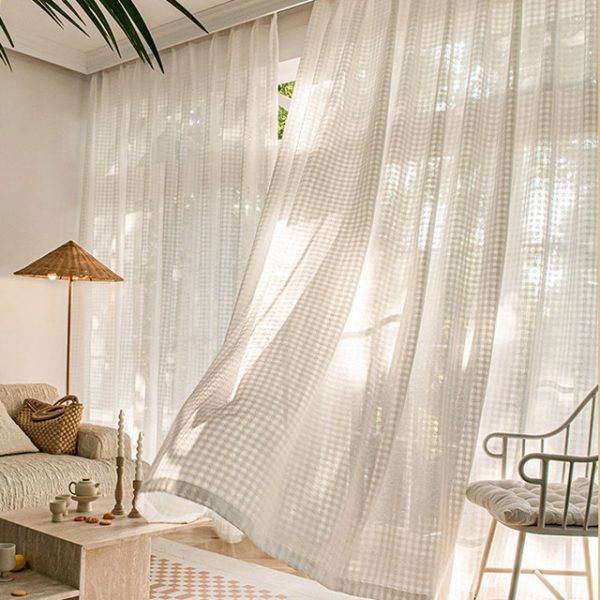
Instead, it is usually more effective to soften and diffuse the light. Sheer voiles, lightweight linens and textured fabrics can help reduce glare while still allowing the room to feel open and airy.

Ethereal grid ivory white linen style sheer curtain from www.voilavoile.com

Texture also affects how light behaves within a room. Glossy finishes and overly reflective surfaces can intensify brightness and create harsh glare, particularly in rooms with lots of glazing. Softer textures through flooring, upholstery, timber finishes or matt paint can help create a calmer atmosphere without making the room feel darker.

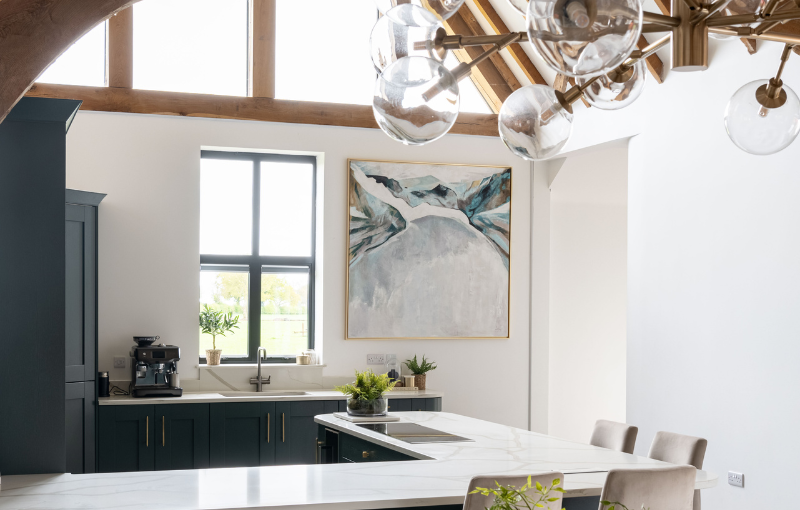
Introducing a darker tone in selected areas can also help create definition in a naturally bright room. This could be through painted woodwork, a chimney breast, built-in cabinetry or another architectural feature. In spaces flooded with natural light, these darker elements can add depth and contrast without making the room feel heavy. They also help create a scheme that feels balanced throughout the year, rather than a room that only works during the brightest months.

Naturally bright rooms still need carefully considered lighting to feel welcoming in the evening. Table lamps, wall lights and softer pools of light help transition a room from daytime brightness into a more relaxed evening environment.

How Natural Light Changes Colour

Natural light has a huge impact on how colours appear in a room, which is why paint can sometimes look completely different once it is on the wall.

In south-facing spaces, warm sunlight can intensify creamy tones, earthy neutrals and warmer colours throughout the day. While this can create a beautiful glow, it can also make some colours feel stronger or more yellow than expected. Cooler tones can help balance this warmth, but in very bright rooms they can occasionally appear flatter or more washed out.

This is why testing colours properly in the room itself is so important. A shade that works beautifully in one room may behave completely differently in another.

Morning light, afternoon sunlight and evening shadows all alter the mood of a space. The most successful schemes are often the ones that feel balanced across changing conditions.

Creating Flow Between Inside and Out

Inspiration from KLG Rutland

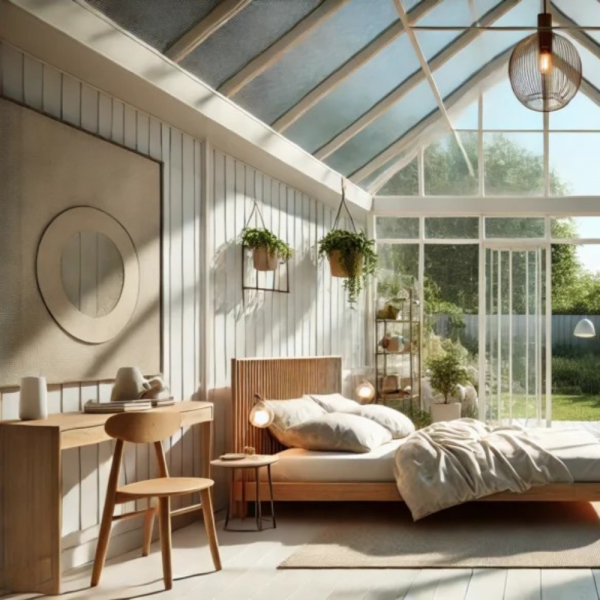
Bright rooms often sit closest to the garden or patio, so creating a sense of connection between inside and outside can make the whole home feel calmer and more cohesive.

This is less about themed styling and more about continuity through materials, tones and layout choices. Flooring can help the transition between spaces feel more natural, while thoughtful furniture placement keeps movement between the house and garden easy and uninterrupted.

Natural materials such as timber, stone, linen and woven textures work particularly well because they soften brighter environments while still feeling timeless and relaxed.

Creating Ambience in Bright Spaces

One of the most overlooked aspects of designing bright rooms is thinking about how they feel after sunset.

A conservatory or glazed extension that feels beautiful at midday can sometimes feel stark in the evening. Layered lighting, texture and zoning all help larger bright rooms feel warmer and more inviting.

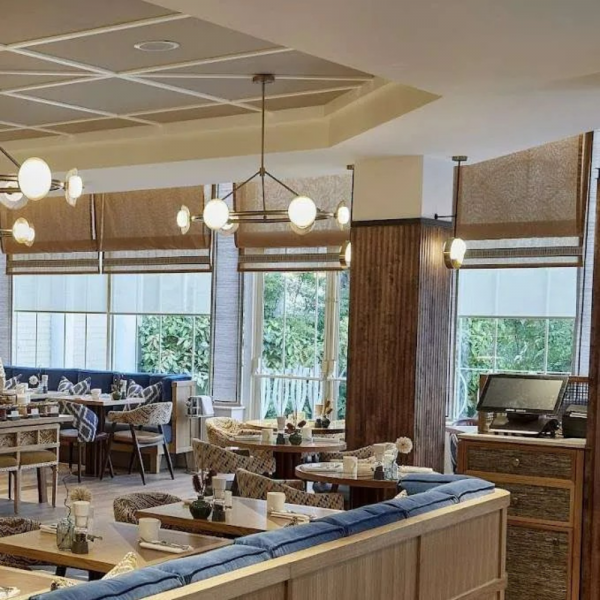
Layered blinds look fabulous in Sopwell House, as featured in Boutique Hotelier. This is one of our favourite local hotels, and it’s a great example of using wood cladding to soften a glazed area.

Ultimately, designing for bright spaces is about understanding how natural light changes the way a room looks, feels and functions throughout the day. When those details are considered carefully, bright rooms become some of the most enjoyable spaces in the home.

Remember to follow us on Facebook for more interior design insights.

The Power of Light in Design

At certain times of year, your home can feel different almost overnight. Colours appear sharper. Corners feel brighter. Rooms that once felt calm suddenly seem heavier.

It is not the décor that has changed. It is the light.

Natural daylight shifts gradually throughout the year, altering how we experience colour, texture and proportion. Understanding how light behaves in your home is one of the most powerful design tools you have. But first –

Take a Look at What Needs Attention 

As our homes become brighter, the light can show up imperfections in our interiors that are less visible in the darker months – for example, paint work might need touching up, a stained cushion or a faded curtain might need be replaced. Identifying these areas can be a great place to have a design rethink and get your home ready for light and sunny days.

Understanding How Light Moves Through Your Home

Every property has its own rhythm. North facing rooms receive cooler, more consistent light. South facing spaces are warmer and brighter for longer periods. East facing rooms feel fresher in the morning. West facing rooms become warmer later in the day.

This matters when choosing colour:

In north facing rooms, cooler light can make greys feel flat or slightly blue. Instead, warmer neutrals with subtle beige or greige undertones such as Farrow and Ball’s Skimming Stone will create a better balance. In south facing rooms, strong yellow undertones can be too much; softer, muted neutrals tend to feel more controlled and elegant. We have been loving Farrow and Ball’s Stony Ground and Stirabout recently as warm classic tones that are not too yellow in the base tone.

East facing rooms respond well to soft warm whites or muted greens such as Farrow and Ball’s Lichen which is a lovely soft green that feels both timeless and modern. West facing spaces can handle slightly cooler tones to balance evening warmth. Farrow and Ball’s Selvedge is a rich blue with cooler undertones that would complement a west facing room.

Sampling paint at different times of day is essential. A colour that works beautifully at midday may feel completely different at dusk so make sure you keep samples in place for at least 24 hours to view the tone in every light.

Making the Most of the Light You Have

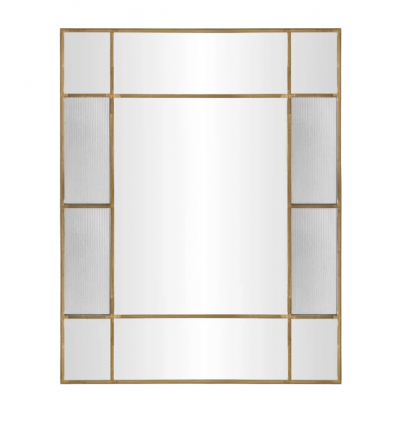
Mirrors, glazed ceramics and metallic details help distribute light more evenly. A mirror placed opposite a window can draw daylight further into the room. Positioned at the end of a hallway, it can soften what might otherwise feel like a dark stop. Above a fireplace, it can lift and brighten a focal point. Below you can see this working to great effect with the Fenton Mirror from Industville.

However, always consider what the mirror reflects as although the mirror itself might be in the perfect spot, what is it reflecting might be less than ideal!

Artificial Light Shapes the Evening

Natural light is only half the story. The way your home feels in the evening matters just as much.

Layered lighting creates flexibility:

  • Ambient lighting provides overall glow.
  • Task lighting supports function.
  • Accent lighting highlights architectural details or artwork.

Colour temperature should be chosen carefully. Very warm bulbs can distort neutral paint colours. Very cool bulbs can flatten texture. A balanced warm white usually works best in living spaces, while kitchens and utility areas may benefit from slightly brighter clarity.

If you need help using light in your interiors, get in touch. And for more interior design ideas and practical advice, follow us on Facebook.
Falling Back in Love with Your Home

It’s common for all of us to fall out of love with our homes from time to time.
We might feel like they’re no longer working for us, we’ve grown tired of the décor, or the space simply feels a little flat. Depending on what’s causing that sense of discomfort, it may be a more considered interior overhaul that’s needed — or it could be that a few focused updates will do the trick.

Either way, it is possible to fall back in love with your home. The key is understanding what’s not working before deciding how to change it.

Analyse the Discomfort

When we work with clients, one of the most important stages of the design process is understanding how their home needs to work. Before colours, furniture or finishes are discussed, we focus on function — how spaces are used, what feels awkward, and what’s missing.

You can start this process yourself by asking a few focused questions:

  • Which rooms feel easiest to be in, and which feel slightly uncomfortable or unfinished?
  • Where do you naturally sit, walk or gather — and where do you avoid?
  • Are there areas that feel cluttered, dark or impractical at certain times of day?
  • Do the rooms support how you live now?

These observations often point to layout, flow or lighting issues rather than purely decorative ones.

Getting the Right Help

Layout is one of the most common reasons homes don’t feel quite right — and it’s something we help clients with every day. Furniture that’s the wrong size or shape, tight spots, or underused areas can all create frustration, even when individual pieces are beautiful.

Often, just a couple of hours working together to review layout, flow and scale is enough to resolve issues that might otherwise linger for years. We look at how rooms are used day to day, whether key pieces are in proportion, and how the space can work more effectively.

Alongside layout guidance, we can also source the right pieces for your home. With our industry knowledge and trusted supplier contacts, we create tailored shortlists that suit your needs, budget and style — saving time and avoiding costly mistakes.

Consider the Spend

Sometimes, loving your home more does involve investing — but the key is spending with intention.

We always advise investing in the highest quality you can afford for key pieces such as sofas, dining tables and beds. These items take the most wear and have the greatest impact on how a home functions day to day.

Rather than spreading budget thinly, one well-chosen, versatile piece — whether that’s a sofa, dining table or armchair — can anchor a room and allow the rest of the scheme to evolve around it.

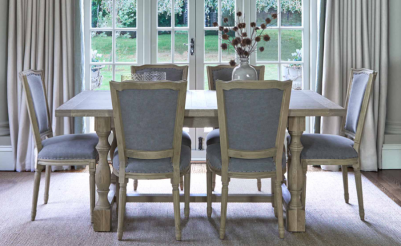
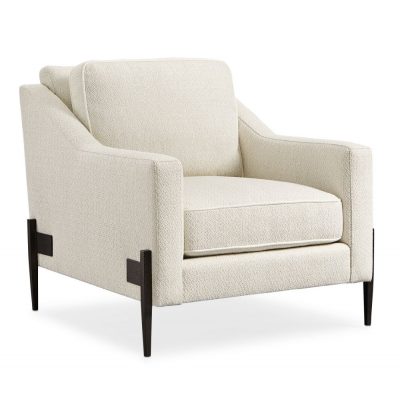
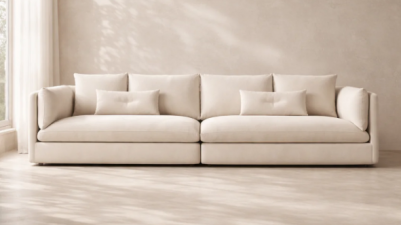
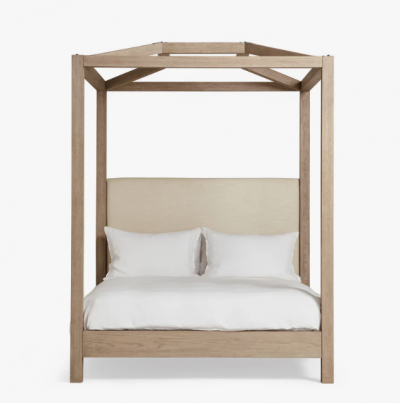
We love the timeless design of the Montague Weathered Oak Dining Table fromLa Residence Interiors, the Modern Remix Armchair from Olivia’s, and the Axis 4-Seater Sofa fromHouse of Isabella, all of which offer longevity and flexibility. In bedrooms, the Hester Four-Poster Bed fromOKA is a beautiful investment that combines comfort and luxury with lasting design.

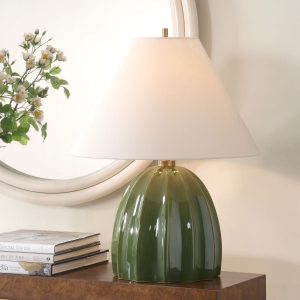
Lighting is another area where quality matters. Thoughtfully planned lighting, using a mix of fittings and light sources, often makes the difference between a space that looks finished and one that genuinely feels comfortable. We love the Renna Table Lamp in Moss Green fromSweetpea & Willow; it is a great example of a classic piece that won’t date.

Creating a Look That Evolves with You

Once the fundamentals are right — flow, layout and function, with key pieces in place — creating the look you want becomes much simpler.

With a strong foundation, it’s easy and cost-effective to refresh your home through wall colours, soft furnishings and accessories, without needing to rethink everything. Homes designed around function first tend to adapt more easily, supporting how you live now and into the future.

For more interior design ideas, follow us on Facebook — and contact us if you’d like support with your home or a specific project.

Transform Your Interiors This Year

The start of a new year is the perfect opportunity to breathe fresh energy into your home. Whether you want small updates or a big transformation, creating a refreshed space doesn’t have to be complicated. By making thoughtful changes—like embracing a new colour palette, reorganising, or introducing key accessories

Here are six simple ways you can refresh your interiors in 2025.

1. Refresh Your Colour Palette

A new colour palette can instantly revitalise a space, the colours you live with can influence your mood, energy, and how a room feels. Soft neutrals like warm greys and taupe provide a calm and inviting base, muted greens or sage tones add a sense of natural serenity and warm natural tones create a versatile blank canvas perfect for future proofing.

2. Declutter for a Clean Slate

Decluttering is essential for both organisation and design. Start small: tackle one area at a time—like a single drawer, shelf, or corner. Sort items into “keep,” “donate,” or “store” piles and use stylish baskets or boxes to organise remaining items.

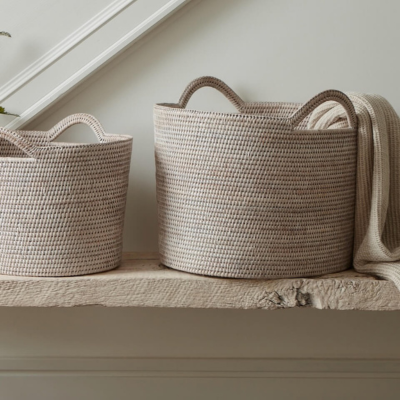
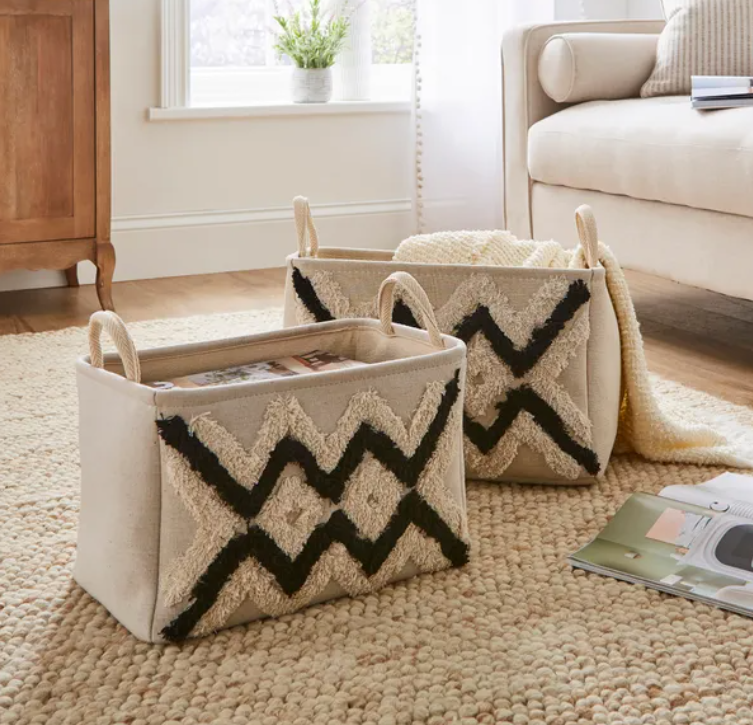
Decluttering also sets the stage for new updates. By clearing out the visual noise, you create a blank canvas to introduce fresh ideas, layouts, or accessories. To keep things clear and tidy, invest in storage. We love the White Rattan Bucket Baskets from Layered Lounge in neutral colours with useful handles for ease of use. Alternatively the Berber Storage Baskets from Dunelm and a lovely pattern and would suit a monochrome décor theme.  

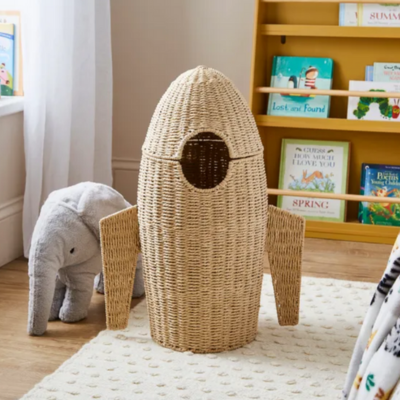
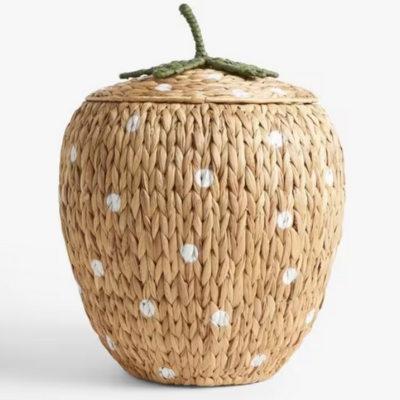
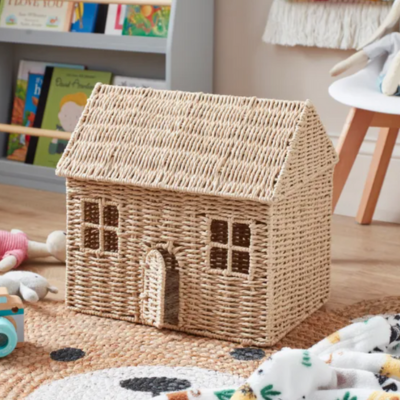
One room that’s certain to suffer from mess and clutter are children’s bedrooms, storage is key but can also be part of the décor and look good too – The Cottage Storage Basket and the Rocket Ship Storage Basket, both from Dunelm, are a fun addition.  While the Strawberry Water Hyacinth Storage Basket from John Lewis will hide mess and clutter behind its charming exterior.

3. Rearrange Your Layout

Sometimes, a fresh perspective is all your room needs. Rearranging your furniture costs nothing but can completely change how a space feels. Experiment with layouts: move sofas, chairs, or tables to create better flow. Create “zones” in larger or open-plan spaces, like a reading nook with a cosy chair and lamp. Swap items between rooms—perhaps a statement mirror from the hallway could brighten your living space.

4. Update Accessories and Textures

Small details often make the biggest impact. Accessories and textures can transform a room, adding warmth, interest, and personality. Swap out cushion covers, throws, or rugs to reflect your refreshed palette. We still have a few more months before the weather heats up, so amp up the cosy winter feel with textured a knit throw or velvet curtains.

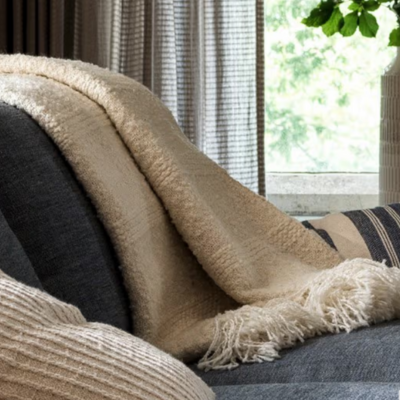
Experiment with layered textures: think warm woods, soft fabrics, and tactile ceramics to create a lived-in feel. We love the Textured Hand Woven Throw from Cotswold Company; its soft and shaggy design will add a touch of cosiness to any room.

5. Layer Your Lighting

Lighting is crucial, especially during the darker winter months. The right mix of lighting can set the mood, brighten spaces, and highlight your favourite areas. Use a mix of ambient lighting (overhead), task lighting (floor or table lamps), and accent lighting (statement lamps or uplighting). Opt for warm-toned bulbs to make your space feel inviting and cosy. Highlighting key areas—like a reading nook or sofa corner—with a soft table lamp can instantly make a room feel more welcoming.

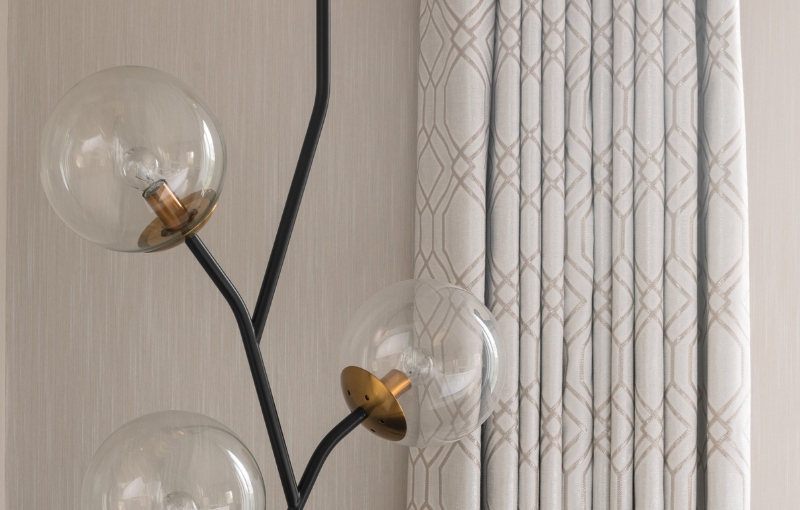
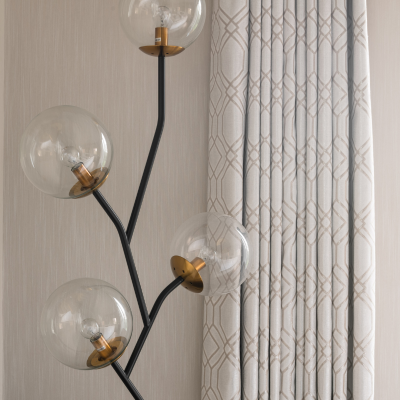
In a recent client project, we added the beautiful Liang and Emil Botanical Floor Lamp from Shropshire Design. This isn’t just a light, this is a piece of art that elevates the room.  

We also love the Splash Sculptural Table Lamp from Pooky; this statement piece is both functional and impactful.

6. Bring in Greenery for Life and Energy

Plants are an effortless way to refresh your space and connect your home with nature. Greenery brings life, colour, and texture while improving air quality and overall ambiance. Choose low-maintenance plants like snake plants or eucalyptus stems for an easy update. High-quality faux greenery can look just as stunning as the real thing if you’re not green-fingered.

Finishing Touches: Personalise Your Space

Small personal touches go a long way in making a space feel meaningful. A multi frame grid featuring artwork or family photos can work really well, covering large wall areas or tricky angled corners. Try to ensure some aspects of the group have cohesion –   it could be the size of the frame, the colour of the frame, the tones within the artwork – or even the gaps you use to space the pieces – as long as there is some degree of cohesion you can create a personal and beautiful grouping and avoid it looking messy.

Take your first step to creating a fresh look in your home, and of course, you can get in touch to find out how we can help you bring you interior vision to life. Remember to follow us on Facebook from more interior ideas and inspiration.

Upcycling: The Eco-Friendly Design Feature

Upcycling has been around for a while, but in a world where impact on the environment is becoming a bigger priority to people, it is increasing in popularity. Not to mention that it can be a cost-effective way to add a personal and unique to your home.

We’re taking this opportunity to help you decide whether upcycling is for you.

While recycling breaks items down to produce raw materials, upcycling is more creative, and doesn’t involve breaking it down, but rather reimagining it for a new lease of life. Upcycling’s roots are in the practice of resourcefulness, and is now fuelled by environmental awareness.

Re-using furniture in this way reduces waste and minimises the average carbon footprint.

What can you upcycle?

Not all furniture is created equal when it comes to upcycling potential, but don’t worry! These are the key qualities to look for in your potential furniture:

  • Quality of material – durable woods such as oak or teak and sturdy metals are ideal for upcycling. These materials will withstand modification and age beautifully.
  • Structural integrity – look for pieces that are solid and stable. Cosmetic damage like scratches or faded finishes is fine, but avoid items with severe structural damage.
  • Aesthetic potential: Pieces with a unique design, interesting lines or historic values can become standout features in your home.
  • Where to find your potential piece: it might already be in your home, or you could find the perfect thing in a charity shop, eBay or car boot sales.           
  • Potential for Easy Repairs and Refurbishments: Choose pieces that can be easily cleaned, sanded, or painted. Items that require minimal effort to restore are ideal.
  • Style and Functionality: Ensure the piece fits your design scheme and consider its potential for multifunctionality, like a table that can also serve as a storage unit.

If you have a creative flair, then you may wish to tackle an upcycling DIY project there are plenty of resources online to help you. Our top tip for your projects is to use primers and paints that are suitable for the work. Primers will help you prepare tricky surfaces, whether that’s a smooth service that you need paint to be able to stick to, or a rough finish that you want to even out ready for a smooth top coat of paint. Choose your paint carefully too, making sure it will help you achieve the look you are after. We love Chalk Paints from Annie Sloan; there is no need for sanding or priming, you simply choose the colour you want, from the large range of gorgeous shades, and get going.

If you don’t feel up to taking on DIY, there are skilled professionals who can help you achieve a beautiful upcycled piece. In the Bedfordshire area, you have options like Absolutely Shabbylass, based on Castle Road in Bedford and Gracie’s House, based in Bromham. Bedfordshire.

If we’ve inspired you to upcycle, then good luck with your projects, and remember that you can follow us on Facebook for more interior design tips and ideas.

Make the Most of Your Space

Spring is the time for cleaning, clearing and rearranging. With the clocks going forward and the days getting longer, we often look around our houses for something to change or update. But where do you start? When it is your own home, it can be difficult to be objective, and you don’t always have the knowledge of what is available. It is at this point that engaging an interior designer can be helpful.

As interior designers, we work with a variety of clients. It may be the complete refurbishment of a house, designing a commercial space, updating one room or even just advising on where to source one particular item.

How can an Interior Designer help you?

Save you time

You may have ideas that you’d like to incorporate into your home, but we will help you plan the best layout for you and your needs, save you time by sourcing the very best options for you to choose from and create a variety of mood boards to help you visualise the room and make the best decisions for you. We will design, plan and shop. You can involve us as much or as little as you like, saving you the time exactly where you need it.

Save you money

Our hourly rates mean that you have the flexibility to use us in the areas you need it most, you are not tied into paying for whole room designs, or complicated fee structures and our clients find this works extremely well for them. In sourcing the perfect pieces for you we will save you costly mistakes and ensure everything goes together beautifully. We have a wealth of knowledge of interiors and furniture retailers and will often instantly know retailers and pieces that you will love that are making great products at fantastic value! We will compare the prices and pass on trade discounts of up to 50%. We have no vested interest in you purchasing from any retailers and our clients feel secure that our recommendations are all made with your best interests at heart. We will take into account how your lifestyle may change, recommending pieces that will be flexible and can be updated if necessary to suit your needs.

Creative Ideas

We’ve been doing this for a long time, and we understand interiors and the options that are available to you. We can bring unique and clever ideas to your home, solving layout and storage problems. We know how to make the most of tricky spaces and where we can add secret storage and are full of tips and hints that can cost next to nothing, but make a huge difference to your home!

We know our stuff

Through our experience of transforming homes and commercial spaces, we have built up contacts, knowledge, techniques and collaborations. This means that we are in the perfect position to speak with the right retailer. We work with a variety of trades and will often involve them in the projects we work on.

We love what we do

We know that you want to achieve a stunning finish, but you may not enjoy the laborious process of researching, planning and executing the transformation. That’s where we can help as we do! We will work tirelessly for you and with you to ensure you get your dream home!

If you want a fabulous home, but need inspiration and help achieving it, contact Interiors at 58. Remember to follow us on Facebook for more interior design ideas.

Give your home a facelift

It is now officially Spring, and time to have a clear out and refresh your home. As much as we love redoing a room from top to bottom, sometimes that just isn’t practical. There are little things that you can do or change in your home to give you a different look without a complete overhaul.

Soft Furnishings

You can make an impact or a subtle change with an update of your soft furnishings; a simple yet effective transformation. New textures and colours instantly refresh a room. There is a huge range of furnishings meaning there is something for every room and every taste. Here are some of our favourites:

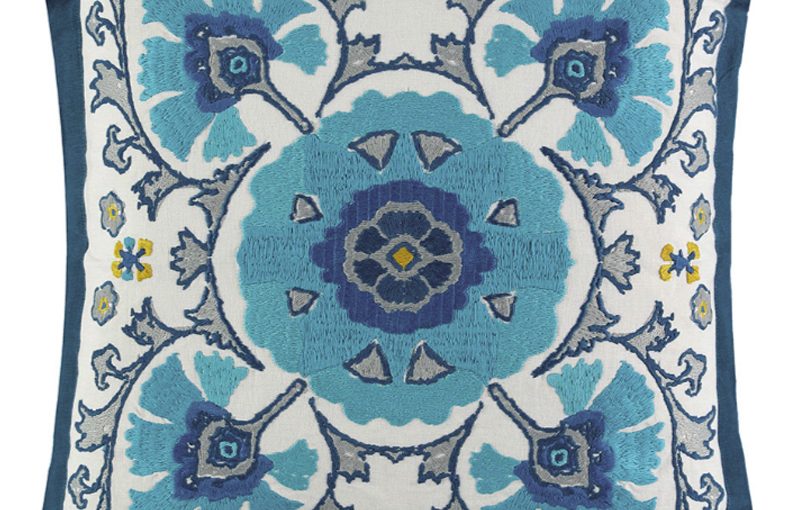
We love these cushions from Amara with their bold design and colours they will make an impact in any room.

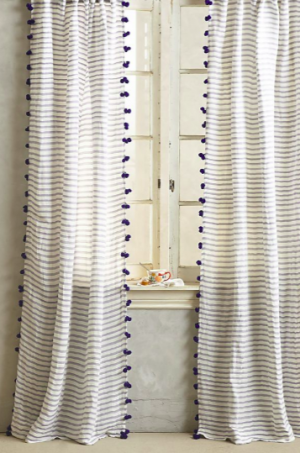
A simple change of curtains can add a touch of glamour. These striped curtains with tassel details from Anthropologie would do just the job.

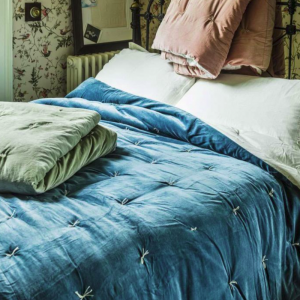
In the bedroom, you have the option of making an easy yet effective adjustment simply by dressing your bed. A bedspread can inject colour into a room. We love these quilts, available in a range of sumptuous colours, from Graham and Green. You can also complement the colour with the addition of cushions. A simple yet effective investment for your interior.

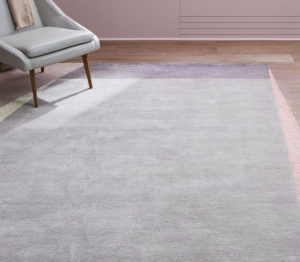
A new rug can really change the feel of a room instantly so it is a fantastic choice if you are only looking to update a few pieces. This rug from Westelm is both stylish and functional.

There are other simple ways to freshen up your interiors:

  • Painting the walls a new colour is a great way to make a big change at low cost. Do make sure that the new tone doesn’t clash with your key items such as your sofa!
  • Add faux plants and greenery; focal points that look fresh
  • Rearrange your existing furniture to create a new layout. Consider if there are pieces of furniture under-utilised elsewhere in your home that could be put to better use in the room
  • Hanging art and mirrors will bring walls to life, adding colour and interest to the room
  • Declutter your rooms so that you can display your favourite pieces to full effect. Group items together in odd numbers for an eye-catching display.

Follow us on Facebook and keep up to date with interior trends, hints and tips.

April 2019

Interior Design for New Build Properties

You might think that interior design is all about updating décor and refreshing a look, but as interior designers we work with a lot of blank canvases too; new build flats and houses. There are two main reasons why you might get a designer involved, one if you are the purchaser of a newly completed project and two if you are a property developer.

Home Owners

When you’ve bought a new property, you have often waited quite some time for its completion, and you’re raring to move in. If you have just bought a brand new, freshly decorated home, you may be wondering why you would consider changing anything at this stage. It is usual for a new home to be finished in a fairly bland style, with magnolia paintwork and neutral carpets for example. Nothing about the house says anything about your style; about your personality. Interior design not only brings your personality to each room but it allows the very best use of the space throughout.

With our knowledge and expertise we can recommend what works, both for style and practicality, and we can source everything for you. What might take you months to decide and find, we can present to you in a fraction of that time. With the decisions made, you’re ready to go with the designs and for the work to be carried out. Potentially, at this point, you are in a great position to employ an interior designer and get the work done prior to moving in. If this is an option for you, you will be able to avoid the inevitable hassle that comes with living in your home whilst the work happens around you.

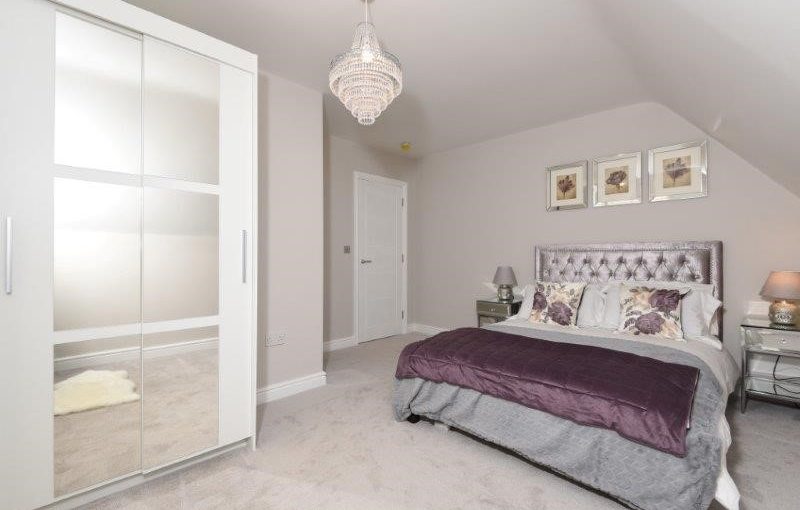
You can see our work on a contemporary new build in the gallery section.

Services for Property Developers

We can help developers design and shape their properties from the outset so that they appeal to the widest market of potential purchasers. This can include curating decisions on paint and floor, and choosing the right kitchens and bathrooms – these are all critical elements in creating the right atmosphere and attracting the right kind of buyer for your property. We can also dress the project for sale to help buyers envisage how the space will be used as an empty, bare house does not demonstrate its potential to best effect. Houses need to stand out from the crowd to sell quickly and achieve the best possible price. We can, cost-effectively, dress the house, inject ambience and personality, and show prospective buyers the lifestyle that can come with owning the property.

We work to developers’ brief, however strict or vague; selecting kitchens, bathrooms, paint colours, taps and tiles as well as providing stylish and desirable furniture to showcase your property at its very best.

We have recently completed a project for a number of flats in Bedford; you can see the results here. (link to photos to be added).

If you have a new home that needs the wow factor, contact us now. And remember, we’re on Facebook too.