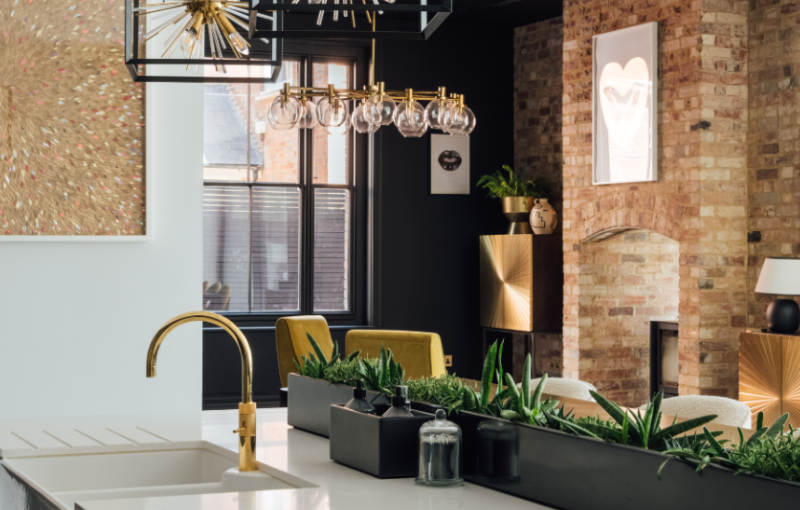
We cannot avoid nature and its beauty right now. Spring is well and truly springing, we’re letting it inspire us — and we’d like to invite you to be inspired too. Nature and sustainability go hand in hand, and they’re very much front of mind at the moment.
When working on our clients’ design projects, sustainability is increasingly part of the conversation. That’s what inspired us to share a few thoughts on embracing natural materials in your home, choosing sustainably, and sourcing locally. Read on for our ideas and suggestions…
The Power of Natural Materials in Your Home
Bringing natural materials into your home is one of the simplest ways to create a space that feels calm, comfortable, and connected to the world outside. Materials like wood, stone, clay, linen, and wool have been used in interiors for centuries — and for good reason. They’re hardwearing, timeless, and tend to get better with age.
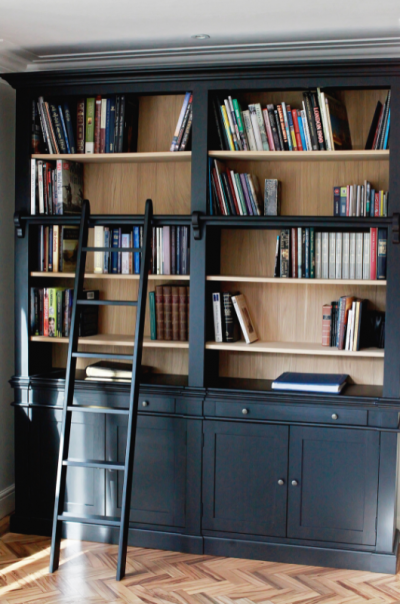
Wood, for example, adds warmth and character — whether it’s oak flooring, a solid dining table, or simple shelving. Choosing reclaimed or sustainably sourced timber means you’re not just adding beauty but making an environmentally conscious choice too.
Stone, slate, and terracotta help ground a space, bringing in earthy textures that feel both rustic and refined. Meanwhile, natural fabrics like linen, wool, and cotton are ideal for soft furnishings — breathable, tactile, and often kinder to the planet than synthetic alternatives.
Using these materials helps create a home that feels considered, lived-in, and connected to nature — a space designed to last.
Why Sustainability Matters in Interior Design
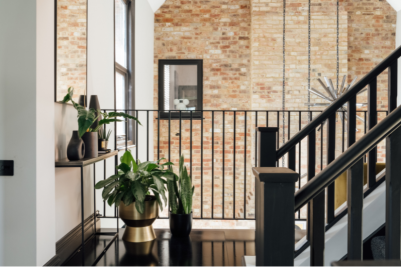
Sustainability may be a buzzword, but when it comes to our homes, it really does matter. Interiors shouldn’t just be about how things look — it’s about knowing where items come from, how they’re made, and being confident they’ll stand the test of time.
Much like fast fashion, interiors can fall into the trap of “fast buys” — cheap, mass-produced pieces that only last a season or two before ending up in landfill. It’s wasteful, and often, these pieces feel impersonal.
Our advice? Buy the best quality you can afford. It’s definitely a case of quality over quantity. Well-made furniture and décor last longer and usually carry more character too. Reclaimed wood, recycled materials, and vintage finds are brilliant ways to reduce your environmental impact while adding something truly unique to your home.
The Importance of Shopping Local
Shopping local isn’t just good for the community — it’s a brilliant way to add something truly individual to your home. Whether it’s handmade ceramics from a local potter or a piece of furniture crafted by a nearby workshop, these are the pieces that bring character and a real sense of place.
Buying from small businesses or local makers also helps reduce the environmental impact of mass production and long-distance shipping. Fewer miles travelled means a smaller carbon footprint — and it often means better quality, too.
There’s also something special about knowing the story behind the things you live with every day. When you buy local, you’re supporting someone’s craft, skill, and livelihood — and that connection makes your space feel all the more meaningful.
Some of our favourite local suppliers are: Not Another Jungle for plants; The Picture Gallery for framing; and JS Designs for kitchens.
Designing with Nature in Mind
It’s not just about the materials we choose — how we design and arrange our spaces can help create a stronger connection to nature. Thoughtful design choices make a home feel calmer and lighter.
Start by thinking about natural light. Maximising light lifts a space and blurs the line between indoors and out. Keep window dressings simple and opt for lighter fabrics that let the sunshine in — it makes all the difference as the days grow longer.
Choosing a natural, earthy palette helps bring the outdoors inside. Soft greens, warm neutrals, and muted blues create a restful backdrop and pair beautifully with wood, stone, and natural textiles. Layering different textures — linen, wool, ceramics — adds warmth and depth without overpowering the space.
Where you can, create sightlines to gardens or any greenery outside. Even the smallest view can help a room feel more connected to nature. And of course, adding plants indoors is always a good idea — they soften a space instantly and breathe life into your home.
Natural materials, sustainability, and thoughtful design can transform your home into a calm, beautiful space that feels connected to the world around you. By choosing quality, supporting local makers, and designing with nature in mind, you’ll create a home that not only looks good — but does good too. Remember to follow us on Facebook for more interior design inspiration.