The Principles of Beautiful Styling

Beautifully styled homes often look effortless, but there’s usually much more thought behind them than first meets the eye.

It’s easy to assume the secret lies in buying the right accessories, but in reality it’s less about what you choose and more about how you use it. Interior designers look at a room as a whole, considering balance, proportion and how each piece contributes to the overall feel of the space.

Styling isn’t an exact science, and much of it develops through experience. However, there are a few principles that can help you look at your own home with fresh eyes.

Think in Arrangements, Not Individual Objects

Rather than styling one item at a time, think about how pieces work together as a collection.

A simple arrangement might include:

  • A group of three or five objects
  • A tray to bring items together
  • Pieces that naturally complement one another

The aim is to create one considered display rather than several separate objects competing for attention.
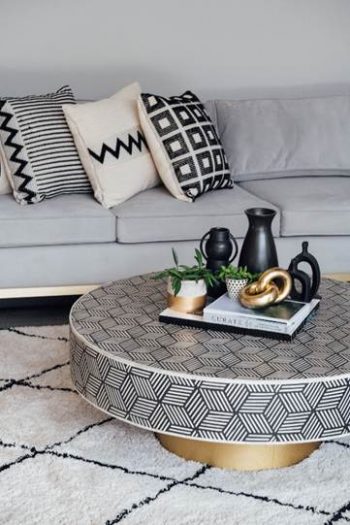
Group accessories together rather than styling one item at a time. A collection will often feel more balanced than individual pieces.

Create Layers

Displays often feel more interesting when they have depth.

Instead of placing everything in a straight line, consider layering pieces together by using:

  • Books to introduce height
  • Artwork behind accessories
  • Objects positioned slightly in front of one another

Small changes like these can make a display feel more natural and considered.
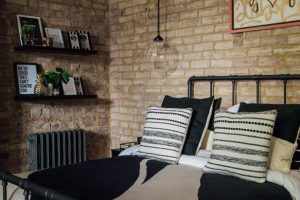
Stack items in front of one another instead of placing everything in a straight line to create depth and interest.

Focus on Balance Rather Than Matching

A well-styled space doesn’t need everything to match perfectly.

Instead, think about creating balance by varying:

  • Height
  • Shape
  • Size
  • Texture

Combining different materials, such as ceramics, glass, wood and woven finishes, helps create interest without making a display feel busy.
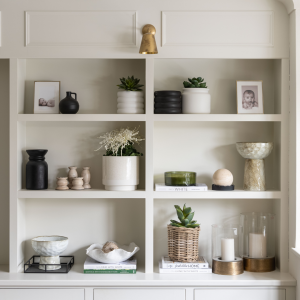
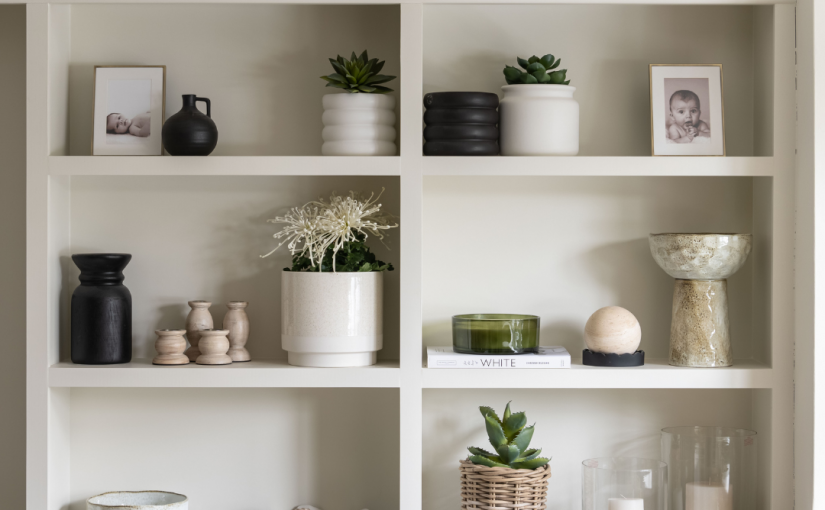
Balance comes from mixing different heights, shapes, sizes and textures, not from everything matching perfectly.

Leave Space to Let Your Styling Shine

One of the easiest mistakes to make is trying to fill every shelf or surface.

Giving your displays a little breathing room allows each piece to stand out and creates a calmer, more balanced feel.

If something doesn’t quite look right, try removing an item before adding another. Sometimes less really is more.
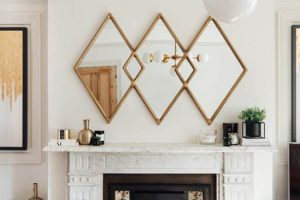
Less is more. Leaving space around your displays often has more impact than filling every shelf.

Style for Your Home, Not Someone Else’s

The most memorable interiors aren’t filled with expensive accessories. They’re filled with pieces that have meaning.

Books you’ve enjoyed, favourite ceramics, treasured finds or family photographs all help tell the story of the people who live there. Mixing these personal touches with decorative pieces creates a home that feels authentic rather than staged.

Your home should reflect your lifestyle and personality, not simply recreate a photograph you’ve seen online.
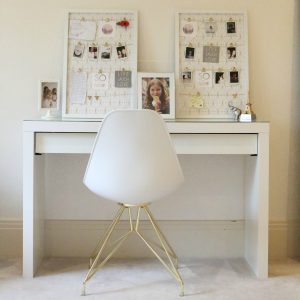
The most memorable interiors are filled with pieces that have meaning, not simply pieces that match.

Styling isn’t about following a set of rigid rules or buying more decorative pieces. It’s about understanding a few simple principles and applying them in a way that feels right for your home.

By thinking in arrangements, introducing layers, creating balance, leaving space for the eye to rest and choosing pieces that have meaning, you can create displays that feel thoughtful, welcoming and beautifully considered. Sometimes the smallest adjustments are all it takes to make a room feel complete. For more interior design advice and guidance, remember to follow us on Facebook.
Designing Calm: Interiors Without the Clutter

From the moment you walk through the door, your home should feel like a breath out. But between family life, work demands and the general noise of modern living, creating a calming interior can feel like just another thing on the to-do list. So, how do we achieve it?

The first step is often a ruthless declutter. Minimalism isn’t everyone’s goal, but even moving toward a less clutter‑heavy, more intentional home can work wonders for your stress‑levels. If you want to know more about the power of minimalism click here. For now, let’s look at practical ways that you can work towards a clutter-free haven.

The Kitchen

A kitchen needs to work hard for its inhabitants every day, but just because it’s functional doesn’t mean that you have to forfeit visual quietness. Luckily there are few options to help here.

The kitchen is full of appliances; large items such as washing machines and fridges to small appliances like toasters and kettles, which are often on show on the worktop. Add into that all the mobile devices that get left lying around and there’s a lot to tackle; here’s how to start:

  • With larger appliances, opt for inbuilt versions where available so that there is a cupboard door to hide them away. If inbuilt isn’t an option, choose a colour that blends into the overall scheme.
  • Store small appliances in cupboards or use your pantry or utility room to keep them out of sight. If you’re a coffee aficionado, you might want to consider a hidden coffee station – easy to access but with the coffee maker and paraphernalia out of sight when out of use.
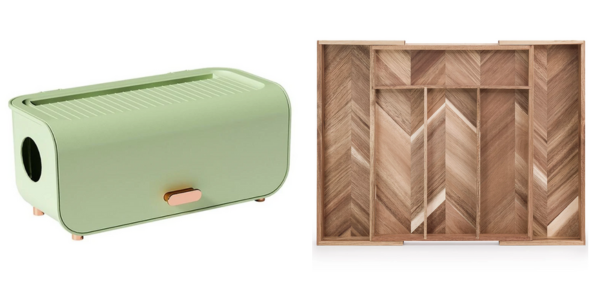
  • Phones and charging cables no longer need to be villains of the piece! One option is to have charging sockets in drawers or cupboards, alternatively, you can look for stylish phone and cable holders like The Cable Management Box from My Trendy Phone.
  • When we’re talking clutter, it’s not always about what’s immediately on show, we want to make sure that cupboards and drawers are clutter-free and organised when we open them. There are great organisation tools that you can get to help here like the Woodluv Cutlery Tray from B&Q.

The Living Room

This is the room that tells your nervous system it’s time to switch off—yet it’s also a magnet for clutter. Just as with your kitchen, we can remedy this:

  • Choose furniture with space to squirrel your clutter away – ottomans with lids, storage benches, or side tables with shelves underneath.
  • Decorative trays on coffee tables and side boards are not only great to look at, but they keep everyday items contained but accessible.
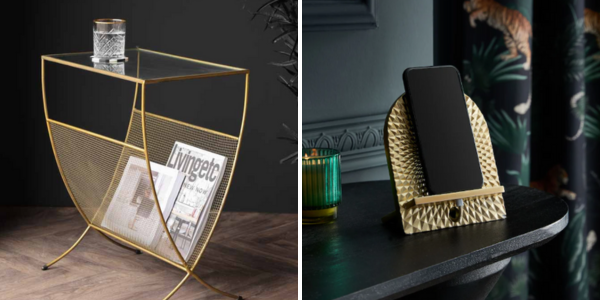
  • Magazine racks stop papers piling up. We love the  Gold Magazine Rack with Glass Top from Rockett St George that will keep you clutter-free in style.
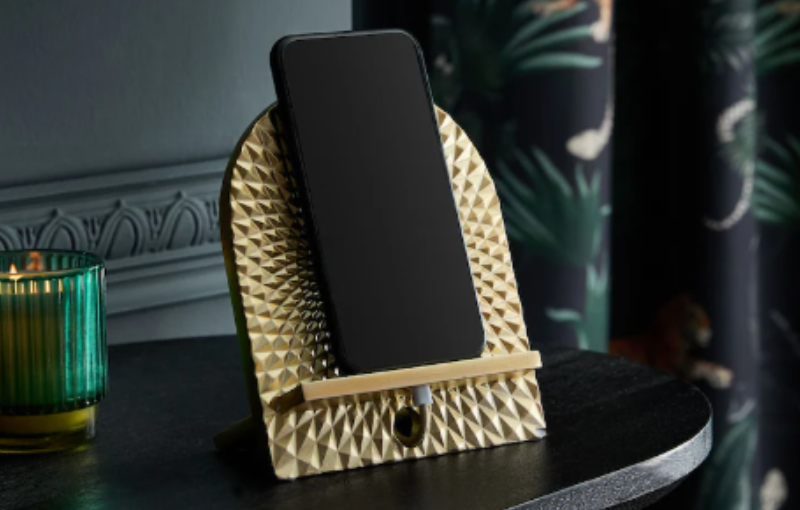
  • With the right accessory, you can turn almost anything into a design feature or point of interest. Don’t leave your phone lying around in the living room, instead make use of the Gold Tone Phone Holder from Next and make a feature of it.

Bedrooms

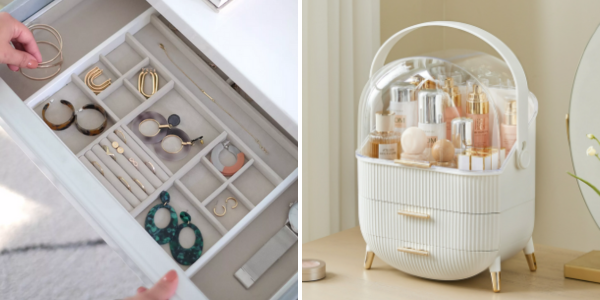
A lot of the principles of organisation and clutter control can be used throughout the home. The Stackers In Drawer Jewellery Slider from John Lewis is designed to fit into your drawer, and is perfect for keeping your jewellery organised. If you don’t have the drawer space, there is a Stacker Jewellery Box instead which can be customised for your needs.  Another great option for the bedroom is the Dustproof Makeup Organiser with Drawers from The Range. There are design friendly organisation options for every part of the home when you know where to look.

Children’s bedrooms are certainly a challenge when it comes to keeping clear and tidy. There are plenty of storage options, drawers and ottomans, but we think it’s a good idea know where everything is. These drawer labels from eBay can be used anywhere in the house, but come into their own in a child’s bedroom or playroom.

Now that your home is a clutter-free haven, it invites calm into your life. You can enhance this feeling with interior design touches.

Principles for Calm

Colour and texture carry the mood from room to room. Keep these guidelines in mind:

  • Tone‑on‑Tone Colour
    Layer variations of the same hue—soft greys with charcoal, oatmeals with taupes, muted greens from sage to olive. This creates depth without the visual clash of high contrast.
  • Texture as Softness
    Add boucle cushions on leather sofas, a wool throw over a wooden bench, linen curtains to diffuse sunlight. Mixing matte, woven and lightly glossy finishes gives interest without noise.
  • Finishing Touches for All the Senses
  • Light: add dimmers or table lamps with warm bulbs.
  • Scent: calming diffusers—lavender, cedar, bergamot—by the entry, bed or bath.
  • Sound: soft‑close drawers, fabric panels (even a statement rug) dampen echo and clatter.
  • Touch: smooth ceramics, knotted wool, brushed metals invite the hand and ground the mind.

An organised and clutter free home is one where you can get the most out of. Start with the basics and build from there to get the feel you want. If you’re ready to rethink your space, we’re here to help, whether that’s a full redesign or tips on where to begin. And remember to follow us on Facebook for more interiors inspiration.