Interior Design Inspiration

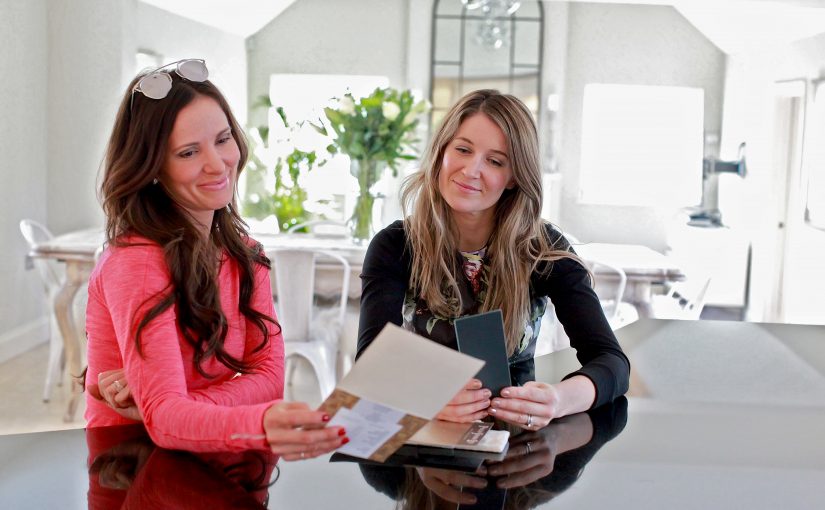
A question that often comes up is “where does the design inspiration come from?”. A good interior designer will get to know their clients and truly understand their styles and tastes. Then they can begin to put together a room or a home that reflects the client’s personality and interests. If a client is unsure about what direction to take their project we often start with images from magazines and Pinterest that the client likes and piece together their desired look. Then once the project is underway the client can see it all come together on a bespoke mood board which really brings the inspiration to life!

Travel can be a great place to look for ideas; think of countries you have been to and what you love about the typical look of that region.  Throughout the world, different cultures have iconic styles that you may wish to replicate in your own home, office or working environment.

Scandinavian and French styles are extremely popular for interior design and have quite a timeless feel, they can be used on their own or mixed successfully with other looks such as vintage or modern.

If you fancy a minimalistic look with clear lines, then a Scandinavian look could be for you. You’ll see wood, often reclaimed timber, playing a big part in a Scandinavian styled room, with wooden floors and wooden furniture. Tapered and angled legs on furniture are a signature look of this style. Neutral, light colours create an airy light room with accessories and furnishings used to add colour and texture to the room.

We recently used this elegant coffee table from Coachhouse that had a bleached out Scandinavian wood top but is paired with contemporary chrome legs for an updated take on the look.

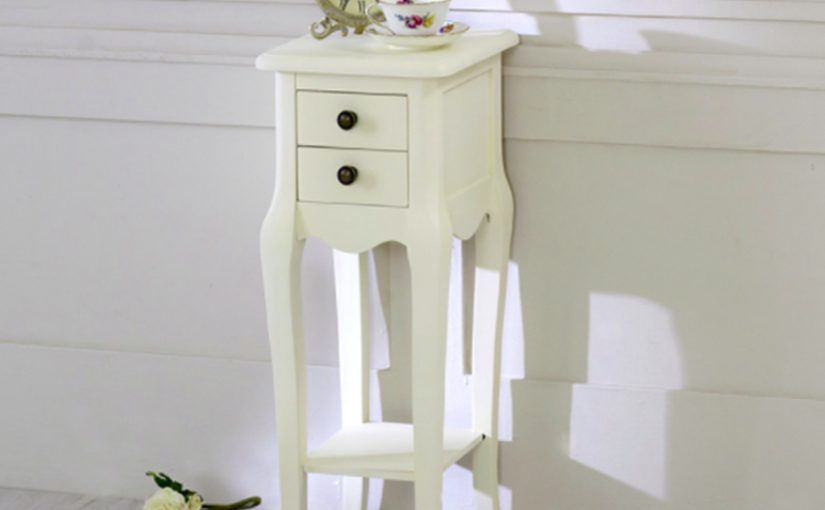
If you prefer a refined, elegant look then a French style is for you. You generally won’t see bold colours on the wall of a French style room. The décor is characterised by white walls; not a blue based cold white, you will see a warm white. Black furnishings are popular in French homes and upholstery will add some indulgent luxury into the room. Gold, gilded or metallic accessories make a statement in the room and reflect light creating a spacious feel. This cute mini French side table from Melody Maison was one we used recently.

A room doesn’t need to rigidly stick to style guidelines; it is your room and should be designed to your tastes. You can take a handful of elements initially and build on that. You can use items with personal meaning to accessorise your rooms whatever style they are, just try and group them together to create a feature or frame photos in such a way as to complement the scheme.

If you don’t know where to start on your interiors, contact Interiors at 58 for help and advice.

Follow us on Facebook for more design tips and great interiors.


Interior Design Tips For Transforming Small Rooms

At Interiorsat58 we love to make the most of a space. A misconception is that interior design is for large houses, big rooms and massive budgets; but this isn’t so. Small rooms are often crying out for some creative thinking so that you can take advantage of every inch.

Here are some of our top tips for smaller rooms.

• A well-placed mirror will maximise any space. Installing a mirror next to, or opposite, a window will mean that the natural light is reflected and you are giving the effect of another window. Having a mirror behind a lamp will also maximise the light in the room, stopping it from feeling poky and dark, however small.

• Make sure colours blend together well and are tonal.

• Keep clutter to a minimum. Accessories and artwork can add colour and character to a room, but choose them wisely. Plain walls with a statement framed picture will give a room a classic finish. Lots of ornaments can create a very busy look which gives the impression of a smaller room.

• Use soft lamp lighting and textures to make the room cosy.

• Plan your room. Put together a mood board with the colours and styles that you like and make sure that they work together to form a complementary finish; an interior designer can advise on this. And, of course measure your space and make sure everything is going to fit; especially important when space is restricted.

• When you’re thinking about the colour scheme of a small room, remember that light colours enhance the feeling of space. Don’t rush into decorating with dark, bold colours that might drain the light from the room.

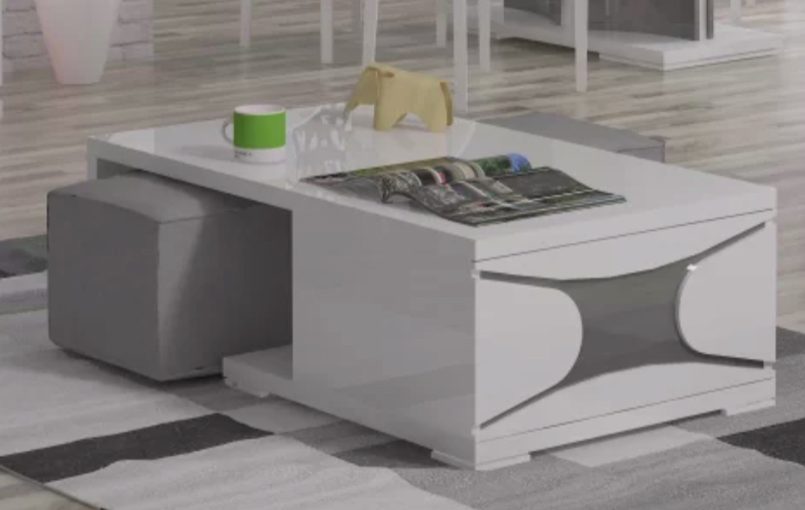
• When you are choosing your furniture, be smart with your choices to make sure that your room is both well designed and functional. Source furniture that has multiple purposes. This coffee table from Wayfair includes both a handy storage drawer, and 2 stools that can be hidden away when not in use.

• Keep the furniture size appropriate and pick items of furniture that are on legs so that you can see underneath, which will give an enhanced feeling of space.

• If you choose an ottoman with a firm top it can double as a coffee table, but can also be used as a footstool to increase the comfort of a less deep and more delicate sofa.

A small space can be as desirable as a large room when it’s designed properly. If you don’t know where to start, or are struggling to imagine how the final finish will transform the room, contact Interiorsat58. We can work with you to create a completely bespoke space that reflects your personality and style, and works for the way you live.

Follow us on Facebook for more interior design ideas.

Using an Interior Designer

You’re thinking about using an interior design service; where do you start?

First let’s look at what an interior designer can do for you. Interior design is the art or process of designing the interior decoration of a room or building. The end results are that the rooms are more aesthetically pleasing and the environment reflects the mood you want. An interior designer plans, researches, coordinates and manages projects. To put it into real terms, an interior designer works with her clients to create their ideal space.

What are the benefits from using an interior designer?

A good question, and one I am asked a lot. The perception can often be that interior design is only for a luxury finish or big budget. In reality, an interior designer will create the finish that a client desires within their budget. Interior designers save their clients time and money; with their bank of contacts from suppliers to tradespeople, they will be able to research and source furniture, furnishings and accessories much more efficiently and cost-effectively. They can work within a budget, and their trained eye will be invaluable when it comes to recommending the best options to meet the brief.  When you employ an interior designer, you are not only tapping into her expertise and experience, you also have access to a wide range of established and recommended contacts.

You know the benefits of interior design, and you want to hire a designer; where do you look?

I would always advise to use recommended companies and individuals where you can. If that’s not an option, there are websites that list local interior designers, for example www.designdirectory.co.uk. Remember to check out their reviews and testimonials; Facebook is a good place to look for reviews. It’s important to meet with a designer prior to hiring them and make sure that you get on. Projects can be a lengthy, and you need a friendly, approachable person who you can communicate with.

You’ve hired a designer, what can you expect?

I work with my clients to achieve the finish they wish for. You can leave the whole job in my capable hands, and I will communicate with all parties throughout, suggest the décor and source everything required. I will liaise with all the other trades involved whether that’s an architect, builder or decorator. Or you can set me to work on a smaller task; this could be planning a room layout to maximise the space, or sourcing the perfect sofa.

For more tips and interior news visit our Facebook Page.