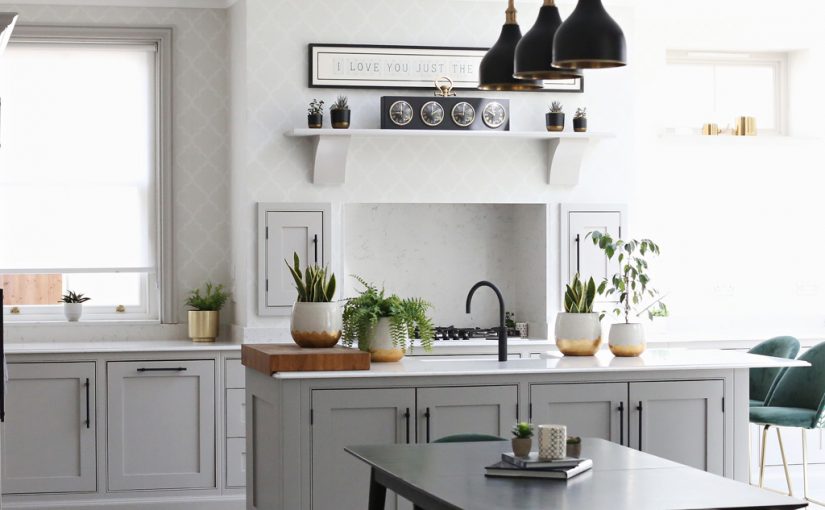
Beautifully styled homes often look effortless, but there’s usually much more thought behind them than first meets the eye.
It’s easy to assume the secret lies in buying the right accessories, but in reality it’s less about what you choose and more about how you use it. Interior designers look at a room as a whole, considering balance, proportion and how each piece contributes to the overall feel of the space.
Styling isn’t an exact science, and much of it develops through experience. However, there are a few principles that can help you look at your own home with fresh eyes.
Think in Arrangements, Not Individual Objects
Rather than styling one item at a time, think about how pieces work together as a collection.
A simple arrangement might include:
- A group of three or five objects
- A tray to bring items together
- Pieces that naturally complement one another
The aim is to create one considered display rather than several separate objects competing for attention.
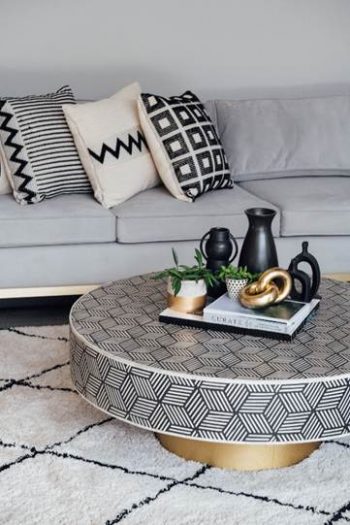
Group accessories together rather than styling one item at a time. A collection will often feel more balanced than individual pieces.
Create Layers
Displays often feel more interesting when they have depth.
Instead of placing everything in a straight line, consider layering pieces together by using:
- Books to introduce height
- Artwork behind accessories
- Objects positioned slightly in front of one another
Small changes like these can make a display feel more natural and considered.
Stack items in front of one another instead of placing everything in a straight line to create depth and interest.
Focus on Balance Rather Than Matching
A well-styled space doesn’t need everything to match perfectly.
Instead, think about creating balance by varying:
- Height
- Shape
- Size
- Texture
Combining different materials, such as ceramics, glass, wood and woven finishes, helps create interest without making a display feel busy.
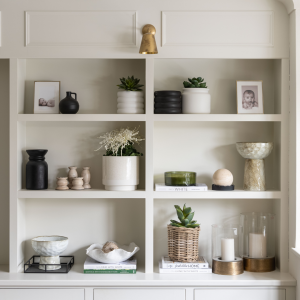
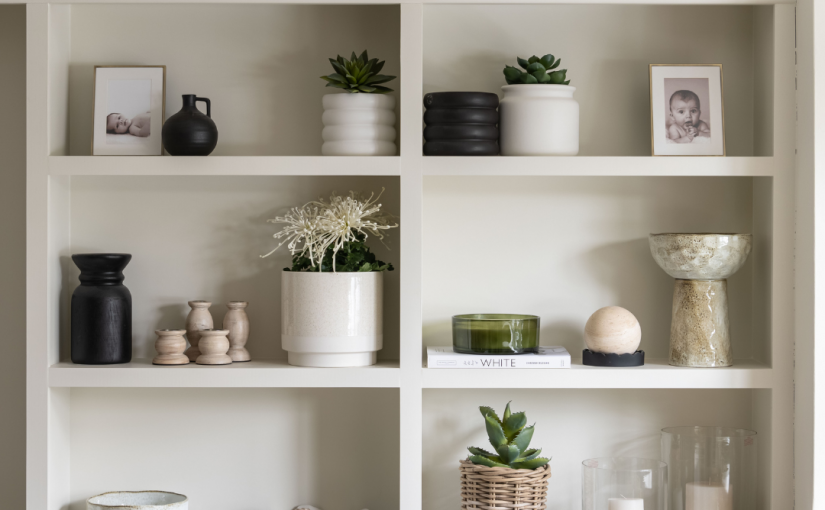
Balance comes from mixing different heights, shapes, sizes and textures, not from everything matching perfectly.
Leave Space to Let Your Styling Shine
One of the easiest mistakes to make is trying to fill every shelf or surface.
Giving your displays a little breathing room allows each piece to stand out and creates a calmer, more balanced feel.
If something doesn’t quite look right, try removing an item before adding another. Sometimes less really is more.
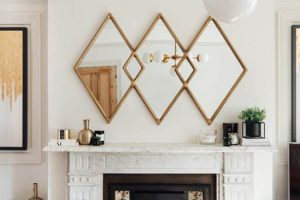
Less is more. Leaving space around your displays often has more impact than filling every shelf.
Style for Your Home, Not Someone Else’s
The most memorable interiors aren’t filled with expensive accessories. They’re filled with pieces that have meaning.
Books you’ve enjoyed, favourite ceramics, treasured finds or family photographs all help tell the story of the people who live there. Mixing these personal touches with decorative pieces creates a home that feels authentic rather than staged.
Your home should reflect your lifestyle and personality, not simply recreate a photograph you’ve seen online.
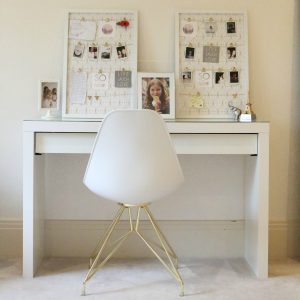
The most memorable interiors are filled with pieces that have meaning, not simply pieces that match.
Styling isn’t about following a set of rigid rules or buying more decorative pieces. It’s about understanding a few simple principles and applying them in a way that feels right for your home.
By thinking in arrangements, introducing layers, creating balance, leaving space for the eye to rest and choosing pieces that have meaning, you can create displays that feel thoughtful, welcoming and beautifully considered. Sometimes the smallest adjustments are all it takes to make a room feel complete. For more interior design advice and guidance, remember to follow us on Facebook.