A Simply Beautiful Christmas

Each year we go big with Christmas at Interiors at 58! 🎄 Although we introduce a few new pieces each season, we always repurpose our favourites — because the best decorations tell a story. The combination of old and new gives your home that layered, lived-in warmth that feels so festive.

We’ll be sharing photos of HQ over on our Facebook page over the coming weeks, but we wanted to inspire you here to create your own beautiful Christmas-scapes. You can be forgiven for thinking that decorations are all about the tree, and while that’s often the focal point, there are many other ways to bring festive style into your home. Here are our favourite ideas for a timeless and elegant Christmas look:

1. Dress the Mantel and Shelves

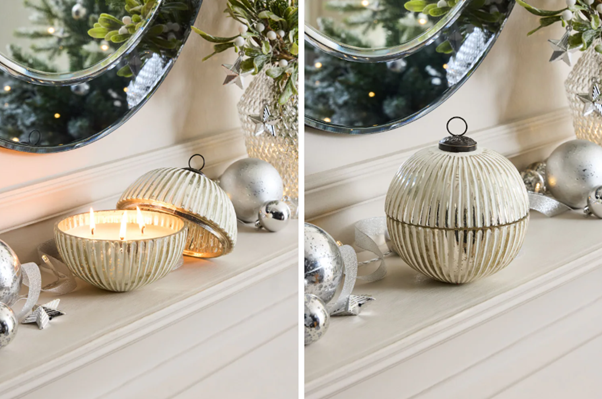
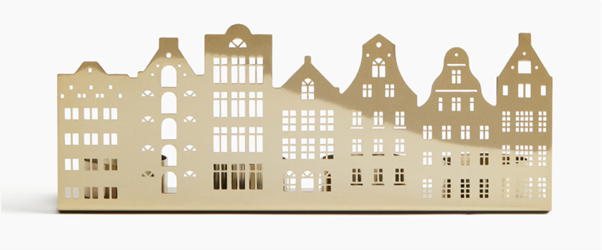
Mantlepieces, shelves and sideboards are crying out to be adorned with decorations. Create balance with varying heights — think candles, greenery and metallic accents. We love the Festive Spice Decorative Candle from Next; not only is it a pretty bauble-shaped container, but it also brings a warm seasonal scent to the room. Pair it with the Cityscape Tealight Holder from H&M for a golden glow that shimmers through the silhouettes — a touch of understated luxury that feels instantly festive.
For something bolder, try a statement piece such as the Light Up Brush Trees Forest from Cox & Cox. It’s simple, modern, and eye-catching — perfect as a centrepiece on the mantel or dining table.

2. Add Cosy Layers

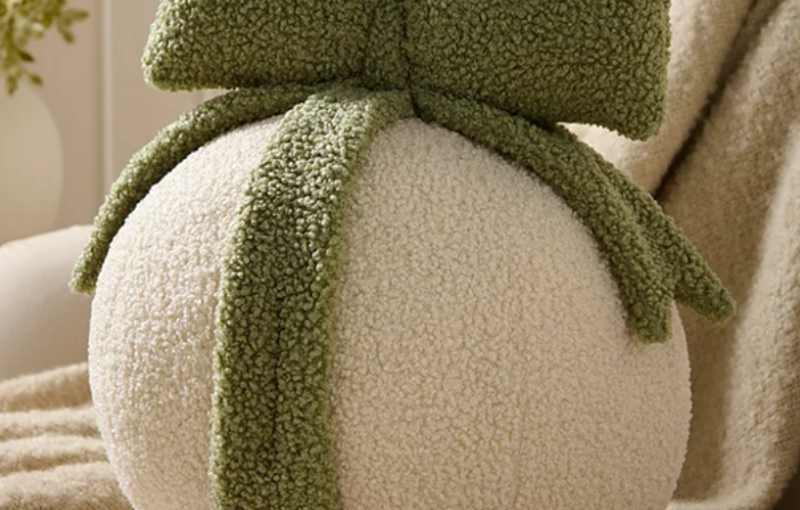
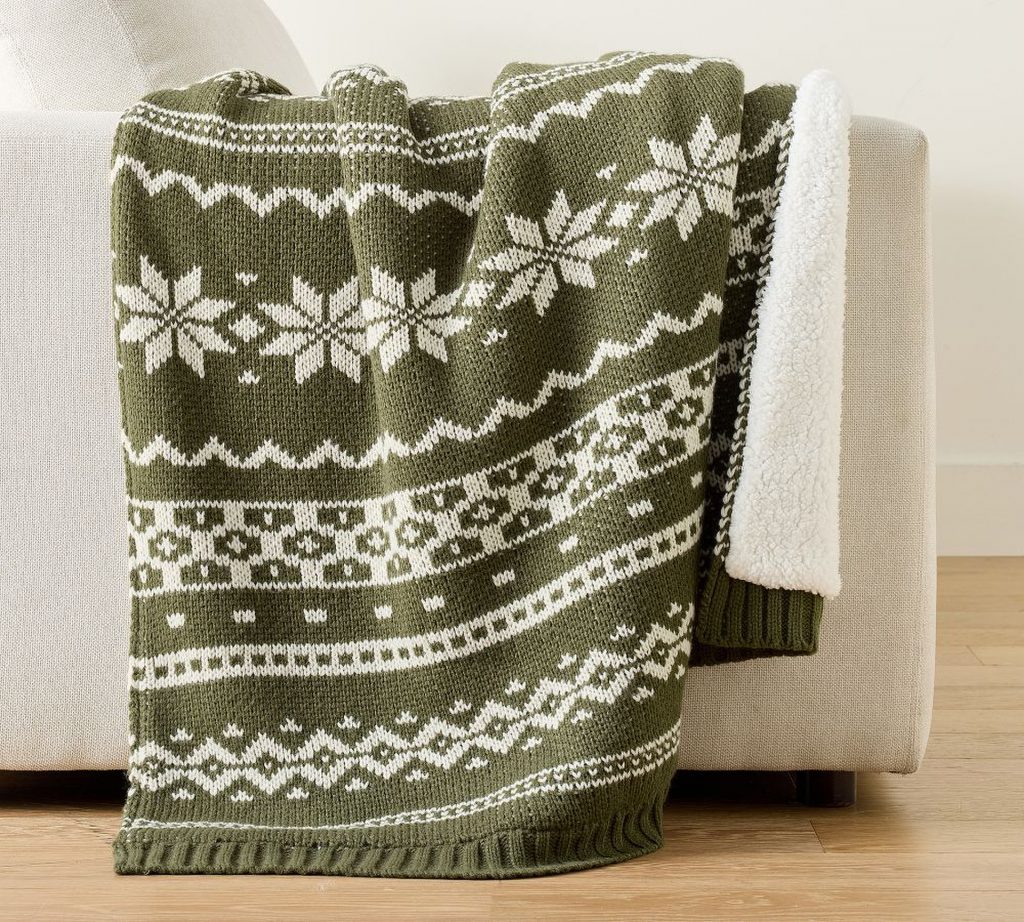
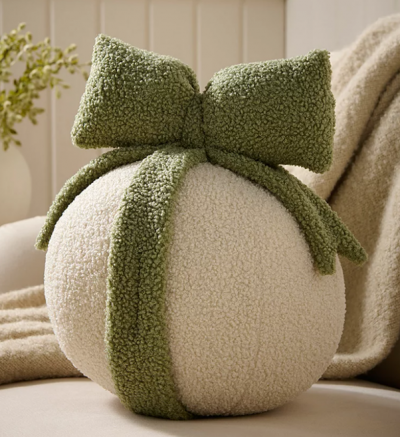
The textures of Christmas are just as important as the visuals. Blankets, cushions and soft accessories turn rooms into winter retreats. We love the Snowflake Fair Isle Throw from Pottery Barn for its nostalgic pattern, and the Stacey Solomon Green & Natural Bauble-Shaped Cushion from Asda for a fun, seasonal touch that still feels chic.
3. Create a Cohesive Tree

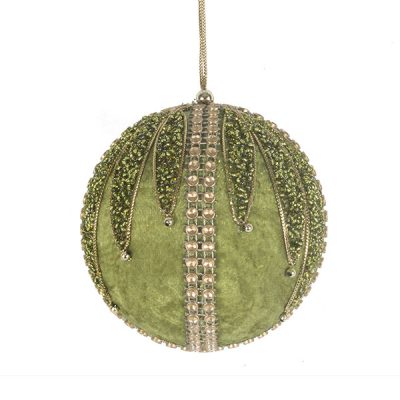
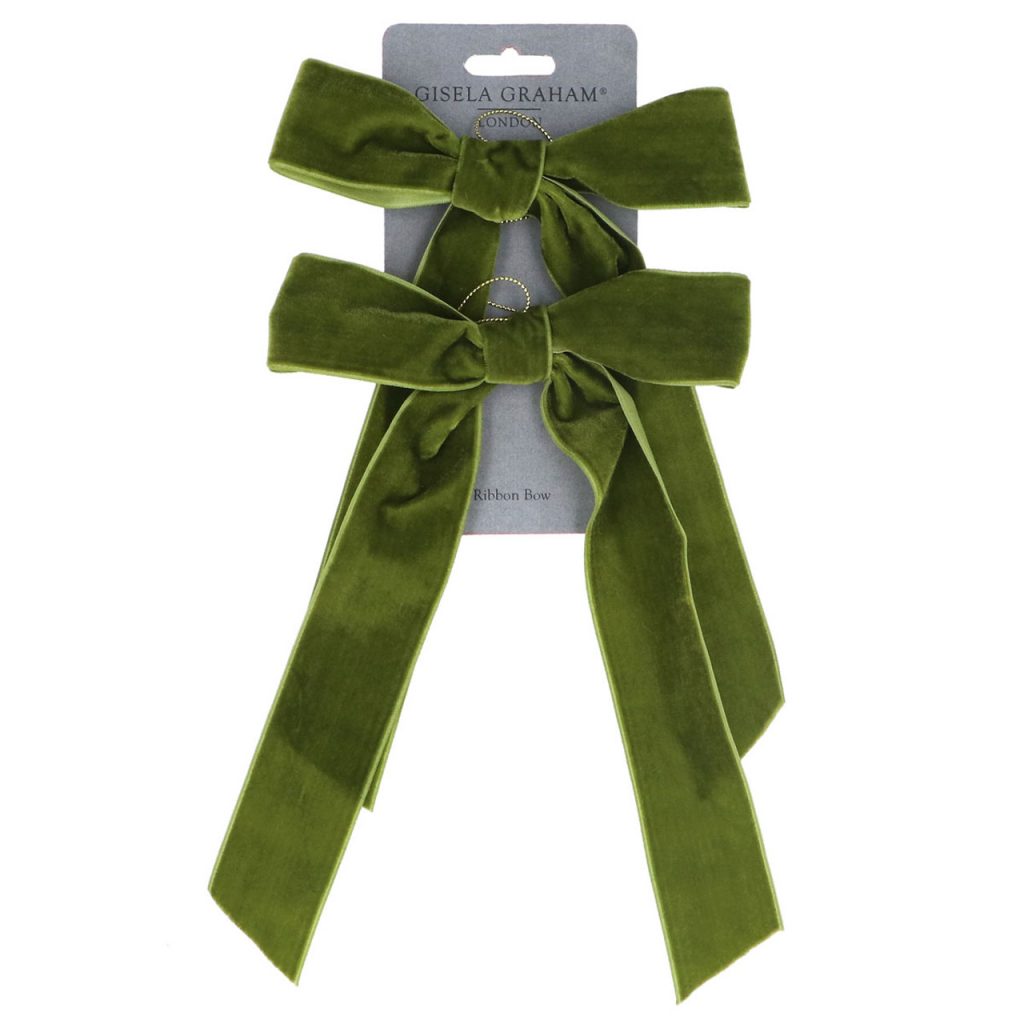
Of course, we can’t leave out the tree! Whether big or small, it’s the anchor of your festive scheme. The trick to a classic look is restraint — choose one or two colourways and stick to them. For green tones, the Olive Green & Gold Velvet Beaded Bauble from ChristmasTimeUk and the Green Bow Decoration from  Gisela Graham add depth and elegance. Team them with silver or gold accents for a perfectly balanced look that catches the light beautifully.
4. Layer Light and Scent

Finally, bring your scheme to life through light and fragrance. Twinkling fairy lights, flickering tealights and glowing candles create a magical ambience, while scent sets the mood. Think spiced orange, cinnamon, or fresh pine for an instant hit of Christmas comfort. These subtle sensory touches complete the scene and make your home feel truly special.

We would like to wish you all a very Merry Christmas, and remember to head over to our Facebook page to see our Christmas look for this year.
The Art of Layering in Interior Design

Layering is one of the most effective ways to create depth, warmth, and personality in your home. It’s what makes a room feel lived-in and comfortable rather than flat or unfinished. When you walk into a well-layered space, it doesn’t shout for attention — it quietly draws you in.

True layering isn’t about adding more things; it’s about combining materials, tones and light in a way that feels harmonious and balanced. Here’s how to achieve that look in your own home.

Start with a Strong Foundation

Begin with the big elements — walls, flooring and larger pieces of furniture. These form your base layer and set the tone for everything that follows. Whether you prefer soft neutrals or deep, cocooning shades, aim for cohesion rather than contrast.

Adding texture here is key: think timber floors with a natural grain, boucle or linen upholstery, or a statement rug underfoot. These foundational choices immediately add warmth and visual interest.

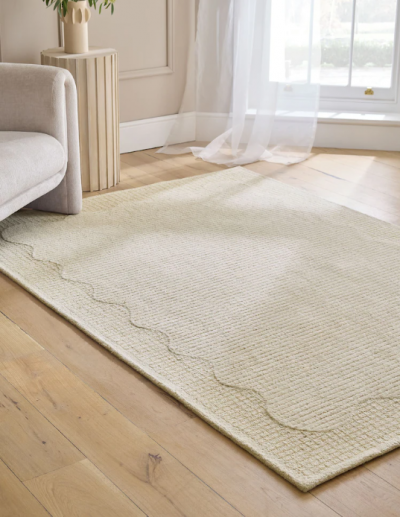
We love the Natural Sophisticated Border Rug from Next which gives us the layer and texture that we want, but is also visually interesting with the border detail that sets it apart.

Layer Your Textures

Texture gives a room depth and soul. A velvet cushion against a linen sofa, a woven basket beside smooth cabinetry, or a wool throw draped over a leather chair — each adds richness and contrast.

To keep things balanced, vary texture by type and scale: mix coarse with smooth, matte with soft sheen, and solid with fluid. Natural materials like wood, rattan and wool always bring a sense of calm.

It is worth us mentioning mohair velvet here. Although it’s not widely available, the Angora goat’s fleece that it is made from has a lovely long pile, is super soft and tactile. It’s worth seeking out mohair velvet upholstery, not just for the feel, hard wearing nature and luxury aesthetic.

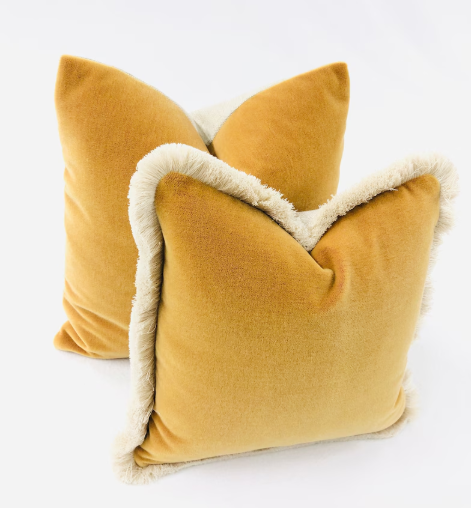
We love the Mustard Yellow Mohair Velvet Pillow Cover from Etsy. The fabric is high end and gorgeous, plus the decorative edge adds an additional texture as well as a little fun. A great pop of colour to add on a dark sofa or chair.

Play with Light and Shadow

Lighting is an essential part of layering. Different sources — from table lamps and wall sconces to candles and fairy lights — create warmth and dimension. A well-lit corner feels welcoming, while soft shadows add intimacy.

If you’re updating your lighting, think in layers too:

  • Ambient light to illuminate the space evenly
  • Task lighting for focus areas
  • Accent lighting to highlight art or architectural details

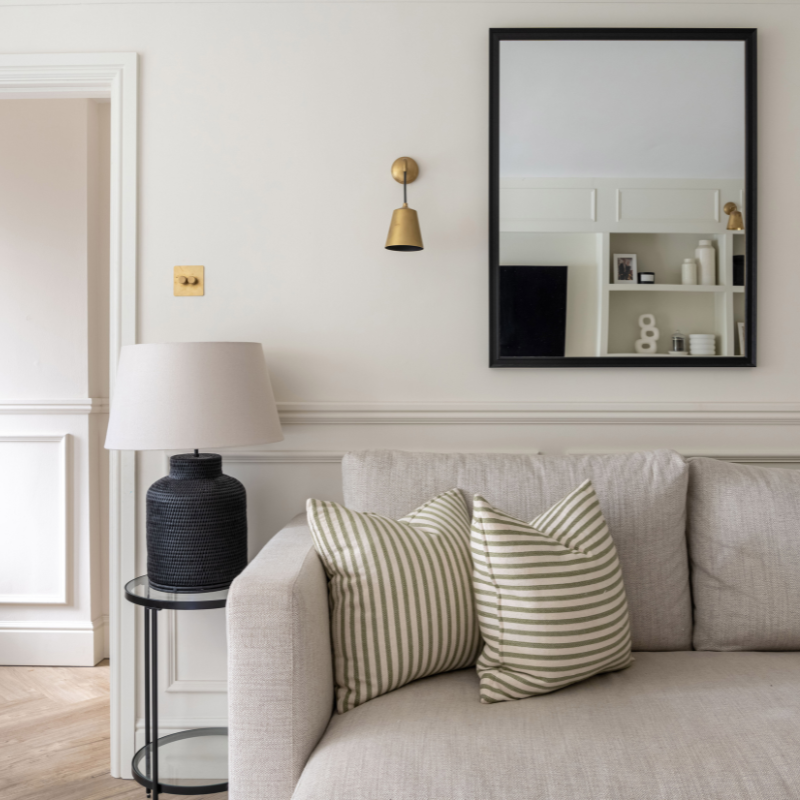
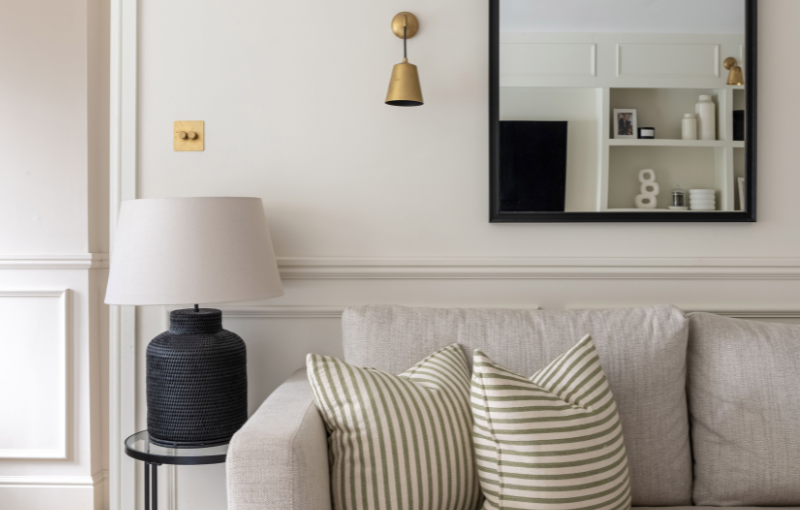
We included the Black Ratten Tea Caddy Lamp from Cowshed Interiors in a client’s home, and it works wonderfully with the other black and neutral tones in the room, as well as providing ambient light when needed.

Layer with Colour and Pattern

Colour can be layered just as effectively as texture. Use tonal variations of a single hue — from pale to deep — for a calm, cohesive look. This tone-on-tone approach gives the same visual interest as bold colour without overwhelming the senses.

If you love pattern, keep it in the same colour family so it feels coordinated rather than chaotic. Layering in this way creates harmony and makes your home feel timeless.

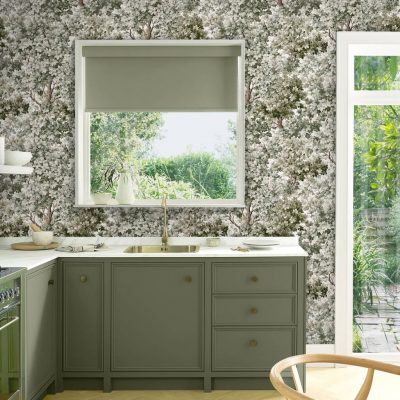
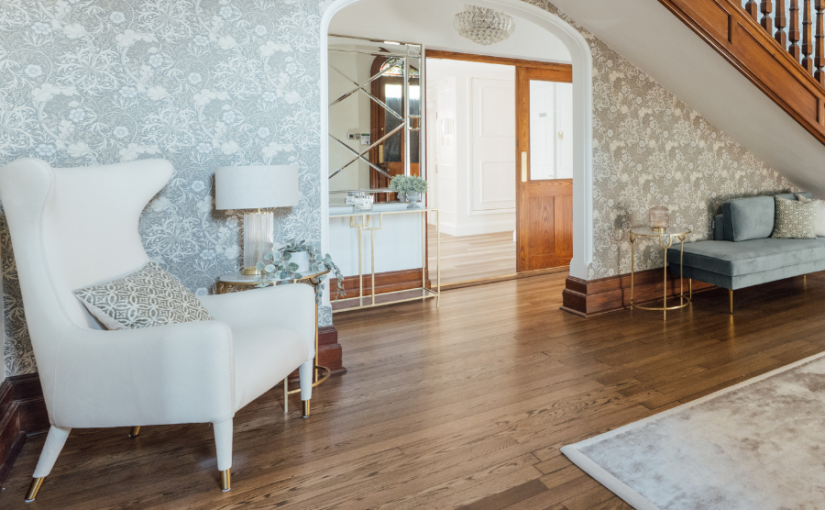
We love Graham & Brown’s Coppice Sage Wallpaper; it’s bold pattern makes a lovely feature wall alongside a green and neutral tones, and brings a touch of calming nature to the room.

Add the Finishing Touches

The final layer is all about atmosphere — the pieces that make your home feel personal. Add art that reflects your personality, mirrors to bounce light, plants for freshness, and scent for mood.

Layered interiors appeal to all the senses. A soft rug underfoot, the flicker of candlelight, and a hint of seasonal fragrance all contribute to a space that feels complete and comforting.

Creating a layered interior isn’t about perfection or following a formula. It’s about building depth, comfort and authenticity into your home — one thoughtful choice at a time. Start with texture and light, add personality through colour and accessories, and soon your space will have that effortless, inviting feel that makes you want to stay a little longer. For more interior design ideas and inspiration, follow us on Facebook.

The Art of Hygge in Interior Design

We can’t ignore that winter is nearly here, and it’s a time when we start craving warmth and comfort in our homes. Interior design can play a big part here; from colours to accessories, it has the power to enhance the warmth of your home. Hygge – a Scandinavian concept – perfectly embodies that feeling of comfort and cosiness, and in this blog we’re going to share simple, practical ways to bring hygge into your own home this season.

The beauty of hygge is that it isn’t about buying a whole new look – it’s about layering warmth, softness and atmosphere into the spaces you already have. And the good news is, you can achieve it on any budget. Read on for inspiration.

1. Warm Up With Lighting

Lighting is one of the quickest ways to transform the mood of a space. Overhead lighting alone can feel harsh, so think about layers: a table lamp for reading, floor lamps for ambience, and even the soft glow of candles.

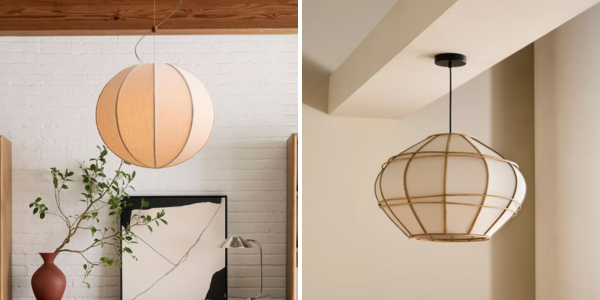
Fabric statement lights, like the Rhea Pendant Ceiling Light from Westelm, give a soft glow to a room creating a relaxing ambience while adding some sculptural interest. An alternative is the Judah Pendant Ceiling Light from John Lewis. Its linen effect wrapped in bamboo has a natural look and feel.

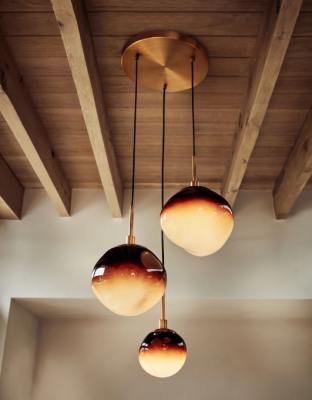
For something a little bit different, we love the French Connection Cluster Light from Next. It would be a stunning feature in any room, and its amber tone is warming, and perfect to create a hygge feeling.

2. Texture Is Everything

Hygge thrives on touchable, inviting surfaces. Think throws you can sink into, rugs that warm bare feet, and cushions you can gather around you on the sofa. Even small swaps – like draping a blanket over a chair – can make a big difference.

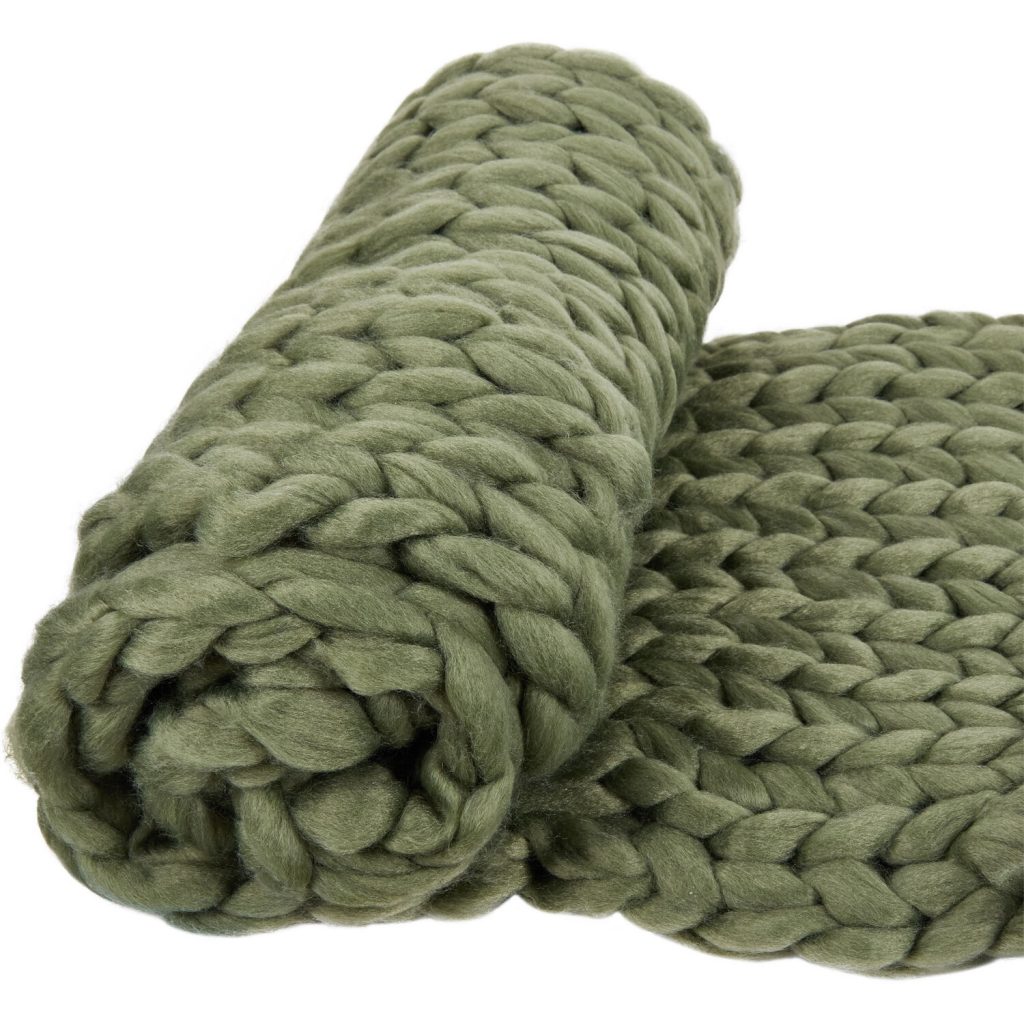
Oversized wool works wonderfully to add softness to a room. The Divante Chunky Knit Throw from The Range gives a room exactly that, and you can cosy up in it on a chilly evening. It’s a budget friendly way to add a touch of comfort.

3. Create Cosy Corners

You don’t need a huge room makeover to feel the benefits of hygge. Carving out one “cosy zone” can give you that sense of retreat, whether it’s a window seat, a reading nook, or a snug corner of the living room. Add a soft chair, good lighting, and a surface for a mug of tea – instant comfort.

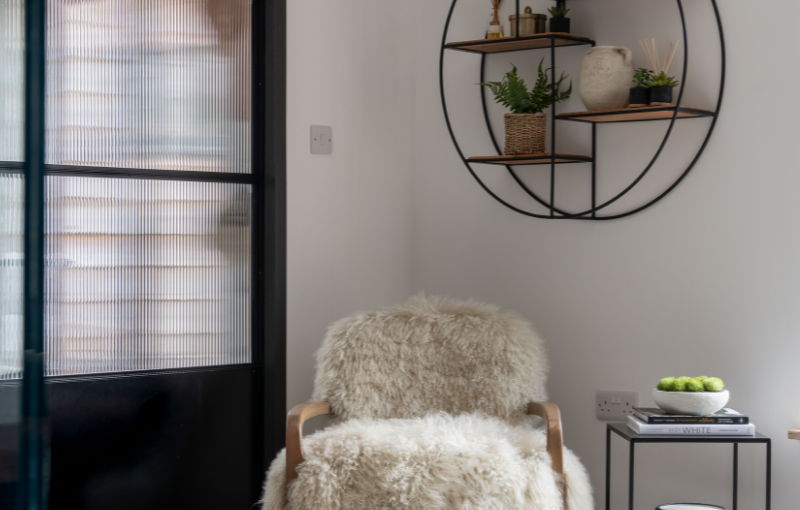
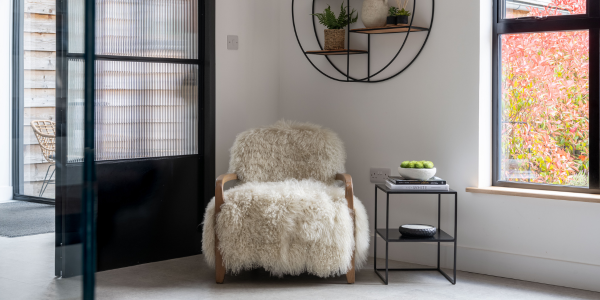
We have used the Gardena Sheepskin Armchair from Peppermill Interiors in a client’s home to create a gorgeous space. Team it with something like the Ibo Reclaimed Wood Low Stool from nkuku and you have everything you need.

If you want to splash out, we love the handcrafted, by Timothy Oulton, Spur table from Barker and Stonehouse. Definitely a luxury, but it isn’t just a table, it’s a beautiful work of art.

Additional Ways to Enhance Hygge

Once you’ve layered in lighting, textures and cosy corners, you can enhance the feeling of hygge with natural and sensory details:

  • Bring the outside in with wood, stone or greenery. A simple wooden stool or fresh foliage can add an earthy calm.
  • Engage the senses — think seasonal scents (fresh citrus in spring, warming spice or cedarwood in winter), soft soundproofing with rugs or curtains, and tactile materials like ceramics or brushed metals.
  • Adapt for the season — the same sheepskin throw that makes a bench instantly inviting in winter can become a light rug or bed accent in summer.

These finishing touches don’t need to be complicated or expensive, but they make the difference between a room that’s simply furnished and a home that feels lived-in, loved, and comforting.

Creating hygge at home isn’t about perfection or spending a fortune. It’s about thoughtful layers — lighting, textures, and small spaces to unwind — that add comfort to your everyday life. By adding natural touches and seasonal scents, you’ll keep that feeling of warmth all year round. For more ideas on creating the perfect home to retreat to, follow us on Facebook.

Stylish, Practical Spaces for Modern Family Living

The interior design of your home should suit everyone who lives there. Often that means there will be multipurpose spaces, and areas that need to work for different generations. When you consider what you want to use the room for – both the purpose and the people – you can start putting together a space that works for everyone.

Shared Family Spaces

Open plan living is on the up, and it’s a wonderful way to build a great family space. An opened-up room is brilliant for connection, but you do need structure within the space to avoid chaos. Use the following techniques to bring that structure in:

  • Define zones – whether that’s dining, relaxing or study – with rugs, dividers and clever lighting
  • Use flexible furniture like storage benches, stackable chairs and multi-purpose items
  • Keep clear walkways and sightlines to maintain a calm and spacious feel

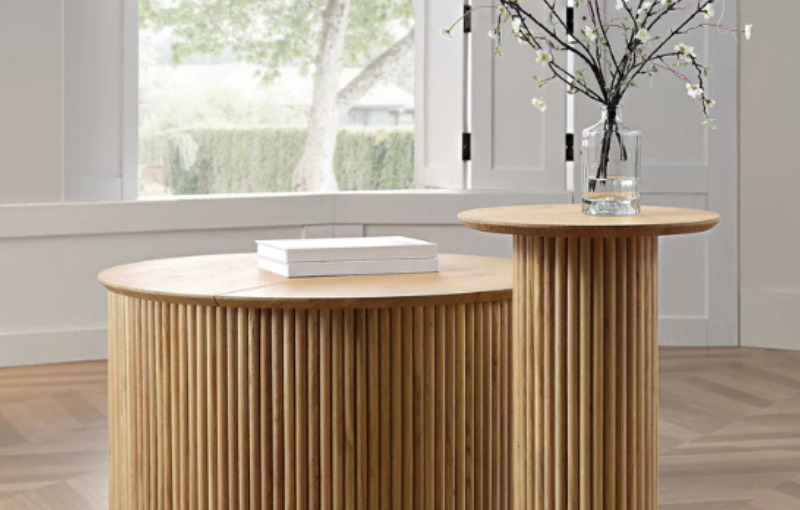
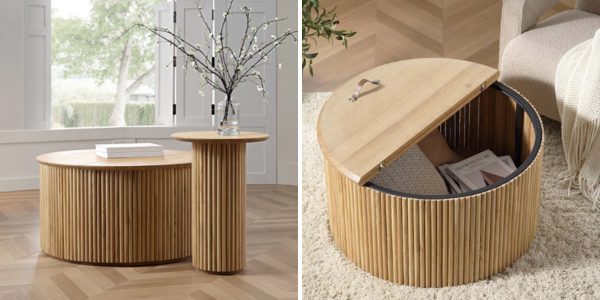
The Manu Oak Round Coffee Table with Storage from Daals is a brilliant example of multi-purpose furniture. It gives you a surface to use, and the storage allows you to hide away the clutter.

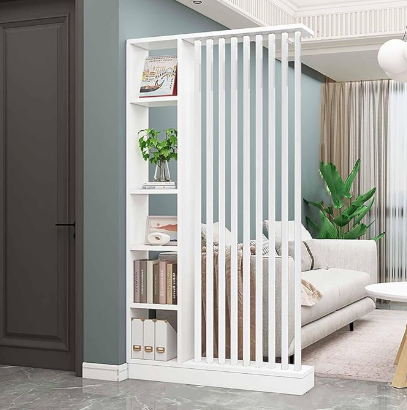
To help you clearly define zones within the room, you can use a room divider like this one from Amazon. The partition gives you privacy in different areas, and includes versatile storage.

Bedrooms That Work Harder

Bedrooms often need to accommodate additional purposes beyond sleeping, especially children’s rooms. Kids’ bedrooms need to be their sanctuary, study space and play area. This might seem like a lot to achieve, but you can use some of the techniques from designing an open-plan space here too. Other things to consider are:

  • Start with neutral dĂ©cor, flooring and big furniture to allow for growth and changing of preferences and needs
  • Multipurpose furniture is king here, think high sleepers, storage beds and desks that double as dressing tables
  • Hidden organisation like drawer dividers work brilliant for older kids and teens keeping stationery, jewellery etc under control
  • A pro tip is to label drawer and storage to keep things neat and tidy.

Adults need a good bedroom space too, for more ideas on grown up spaces check out our Designing a Bedroom Oasis blog.

Smart Homework & Study Nooks

With the increase in remote working, it’s more important than ever to make sure that there is a suitable place to work, and work doesn’t take over your home. If you don’t have a separate office to keep everything confined you can look for nooks and hideaways to work from. Think about:

  • Floating shelves and compact desks can make an under-used corner useful
  • Consider lighting to avoid glare whilst having a light enough area
  • Pegboards and wall organisers above desks give you vertical storage in an otherwise empty space
  • A supportive chair is a must, but you can still have something stylish.

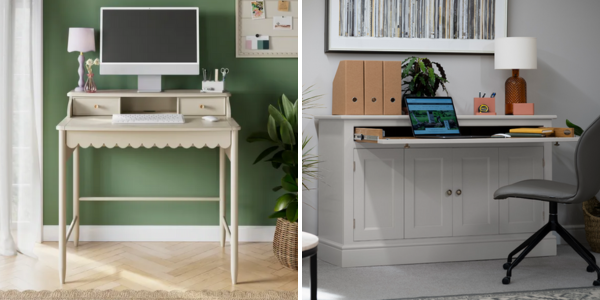
We love the Remi Scalloped Small Step Up Desk from Dunelm. It creates an attractive working spot, which can be cleared at the end of the day; a lovely piece that adds to the room. Alternatively, the Amberly Hideaway Workstation Desk from the Painted Furniture Company gives you a stylish and discrete work space in your living room.

Smart Storage

Clutter is the enemy for an organised and calm home. If it’s minimalistic living that’s your aim, head over to our Power of Minimalism blog. For a family home that needs a touch of order there are some simple things to try:

  • Built and modular shelving provides plenty of storage for all the family in shared spaces
  • We love baskets and boxes for storage, and these work especially well for toys – remember to label for ease of use
  • Hidden storage is always a winner, and again you can look at ottomans or benches and coffee tables with storage.

For more ideas for achieving a calm home, read our Designing Calm: Interiors Without Clutter blog.

If your home still isn’t working for you, get in touch and remember us to follow us on Facebook for more interior design ideas.

Designing Calm: Interiors Without the Clutter

From the moment you walk through the door, your home should feel like a breath out. But between family life, work demands and the general noise of modern living, creating a calming interior can feel like just another thing on the to-do list. So, how do we achieve it?

The first step is often a ruthless declutter. Minimalism isn’t everyone’s goal, but even moving toward a less clutter‑heavy, more intentional home can work wonders for your stress‑levels. If you want to know more about the power of minimalism click here. For now, let’s look at practical ways that you can work towards a clutter-free haven.

The Kitchen

A kitchen needs to work hard for its inhabitants every day, but just because it’s functional doesn’t mean that you have to forfeit visual quietness. Luckily there are few options to help here.

The kitchen is full of appliances; large items such as washing machines and fridges to small appliances like toasters and kettles, which are often on show on the worktop. Add into that all the mobile devices that get left lying around and there’s a lot to tackle; here’s how to start:

  • With larger appliances, opt for inbuilt versions where available so that there is a cupboard door to hide them away. If inbuilt isn’t an option, choose a colour that blends into the overall scheme.
  • Store small appliances in cupboards or use your pantry or utility room to keep them out of sight. If you’re a coffee aficionado, you might want to consider a hidden coffee station – easy to access but with the coffee maker and paraphernalia out of sight when out of use.
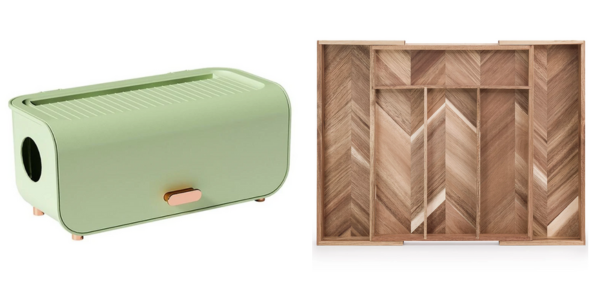
  • Phones and charging cables no longer need to be villains of the piece! One option is to have charging sockets in drawers or cupboards, alternatively, you can look for stylish phone and cable holders like The Cable Management Box from My Trendy Phone.
  • When we’re talking clutter, it’s not always about what’s immediately on show, we want to make sure that cupboards and drawers are clutter-free and organised when we open them. There are great organisation tools that you can get to help here like the Woodluv Cutlery Tray from B&Q.

The Living Room

This is the room that tells your nervous system it’s time to switch off—yet it’s also a magnet for clutter. Just as with your kitchen, we can remedy this:

  • Choose furniture with space to squirrel your clutter away – ottomans with lids, storage benches, or side tables with shelves underneath.
  • Decorative trays on coffee tables and side boards are not only great to look at, but they keep everyday items contained but accessible.
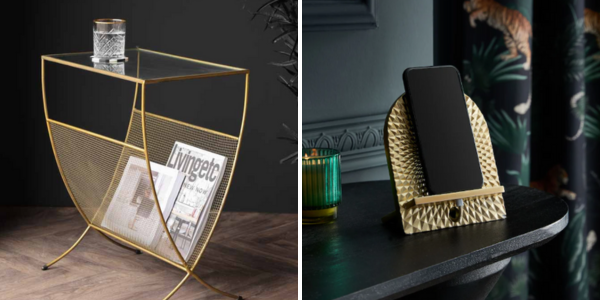
  • Magazine racks stop papers piling up. We love the  Gold Magazine Rack with Glass Top from Rockett St George that will keep you clutter-free in style.
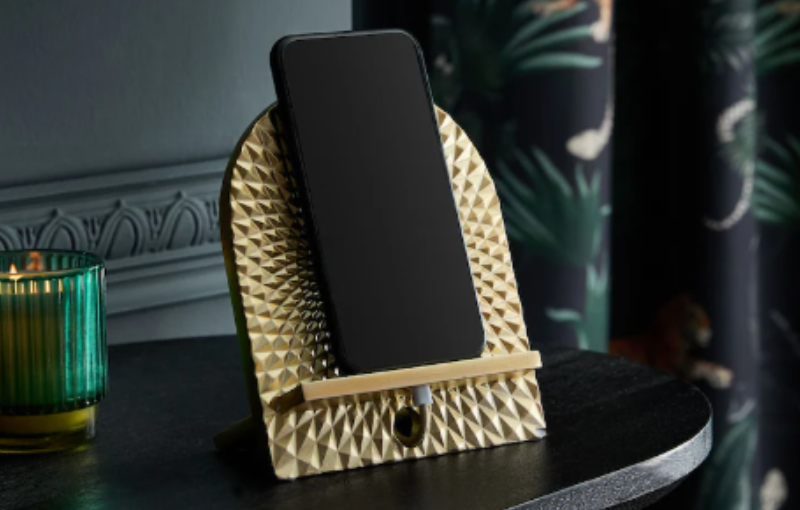
  • With the right accessory, you can turn almost anything into a design feature or point of interest. Don’t leave your phone lying around in the living room, instead make use of the Gold Tone Phone Holder from Next and make a feature of it.

Bedrooms

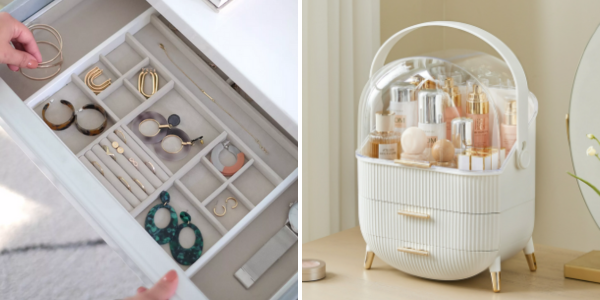
A lot of the principles of organisation and clutter control can be used throughout the home. The Stackers In Drawer Jewellery Slider from John Lewis is designed to fit into your drawer, and is perfect for keeping your jewellery organised. If you don’t have the drawer space, there is a Stacker Jewellery Box instead which can be customised for your needs.  Another great option for the bedroom is the Dustproof Makeup Organiser with Drawers from The Range. There are design friendly organisation options for every part of the home when you know where to look.

Children’s bedrooms are certainly a challenge when it comes to keeping clear and tidy. There are plenty of storage options, drawers and ottomans, but we think it’s a good idea know where everything is. These drawer labels from eBay can be used anywhere in the house, but come into their own in a child’s bedroom or playroom.

Now that your home is a clutter-free haven, it invites calm into your life. You can enhance this feeling with interior design touches.

Principles for Calm

Colour and texture carry the mood from room to room. Keep these guidelines in mind:

  • Tone‑on‑Tone Colour
    Layer variations of the same hue—soft greys with charcoal, oatmeals with taupes, muted greens from sage to olive. This creates depth without the visual clash of high contrast.
  • Texture as Softness
    Add boucle cushions on leather sofas, a wool throw over a wooden bench, linen curtains to diffuse sunlight. Mixing matte, woven and lightly glossy finishes gives interest without noise.
  • Finishing Touches for All the Senses
  • Light: add dimmers or table lamps with warm bulbs.
  • Scent: calming diffusers—lavender, cedar, bergamot—by the entry, bed or bath.
  • Sound: soft‑close drawers, fabric panels (even a statement rug) dampen echo and clatter.
  • Touch: smooth ceramics, knotted wool, brushed metals invite the hand and ground the mind.

An organised and clutter free home is one where you can get the most out of. Start with the basics and build from there to get the feel you want. If you’re ready to rethink your space, we’re here to help, whether that’s a full redesign or tips on where to begin. And remember to follow us on Facebook for more interiors inspiration.

Need a Refresh? Start Here

Are you thinking about a redesign in your home? Even when you’ve got that niggling sense that a room could be better, it can be hard to know where to begin — and easy to jump straight into buying without a proper plan. Whether you’re planning a big renovation or simply want to refresh one corner of your home, we are going to help you turn those ideas into something you can act on while avoiding some common mistakes that can derail even the most exciting design plans.

What’s the Trigger?

Before you reach for the paint samples, take a step back. What’s really prompted the desire to make changes?

Is it something functional — poor lighting, not enough storage, or an awkward layout? Or is it more emotional — a space that feels flat, cold or uninspiring? Have your needs changed? Are you working from home more? Have the children grown up? Are you craving a space that feels more ‘you’?

Tuning into this trigger is important. It not only helps you identify what needs to change, but also makes sure your updates solve the right problem — not just treat the symptoms.

And just as importantly, think about what you want instead. What’s the feeling you’d love this room to evoke? Calm and welcoming? Energising? Luxurious? Cosy? These emotional cues are where great design begins.

It Pays to Plan

It’s so tempting to jump straight in — to start browsing paint colours or ordering furniture. But without a clear sense of what the space needs. To start creating a plan that works for you:

  • Build a realistic budget considering whether you like to invest timeless pieces or prefer more affordable pieces you can switch more regularly.
  • Prioritise what will make the biggest difference.
  • Measure all spaces and new furniture to avoid costly mistakes.

A Summer Project

If you’re thinking about tackling a home project over the summer holidays, it can be a brilliant time to start — especially with longer days, better light and fewer interruptions. But it does come with a warning, to make sure that the design will work all year round, not just for the season.

Natural light can transform a room — and in July, it’s at its strongest. But ask yourself: how will this space feel in winter? Will your chosen colours feel dark in the low light of January?

The answer is to think multi-seasonally: to consider how the space will feel, not just now, but throughout the year. That might mean:
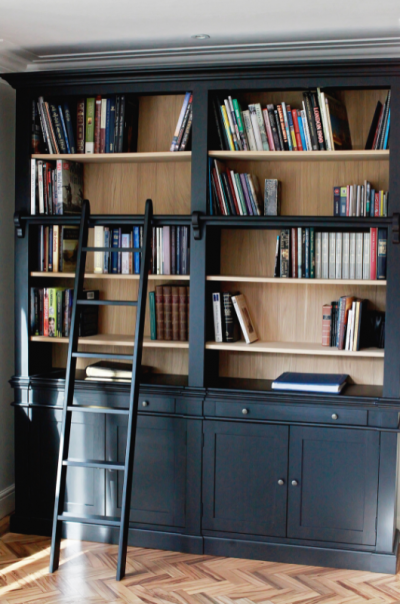
  • Checking your paints and tones at different times of the day and in different corners of the room, what looks good next to a bright window may not look so good in a dark corner.    
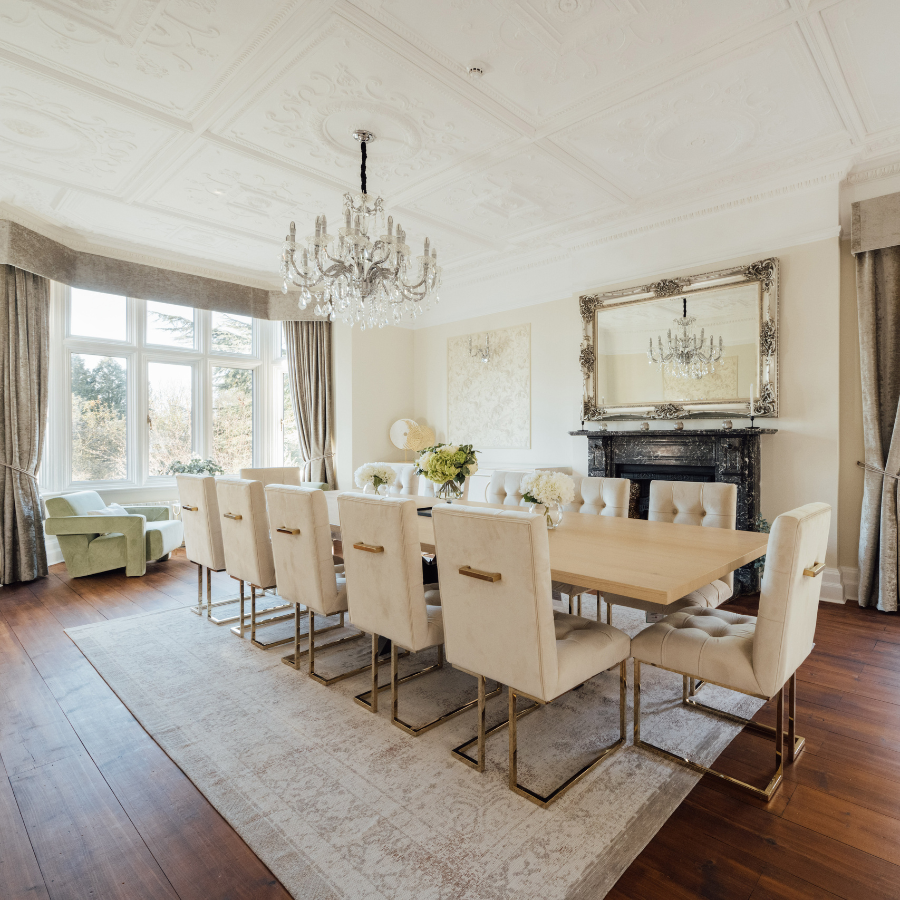
  • Choosing layered lighting so the room works on gloomy days too.
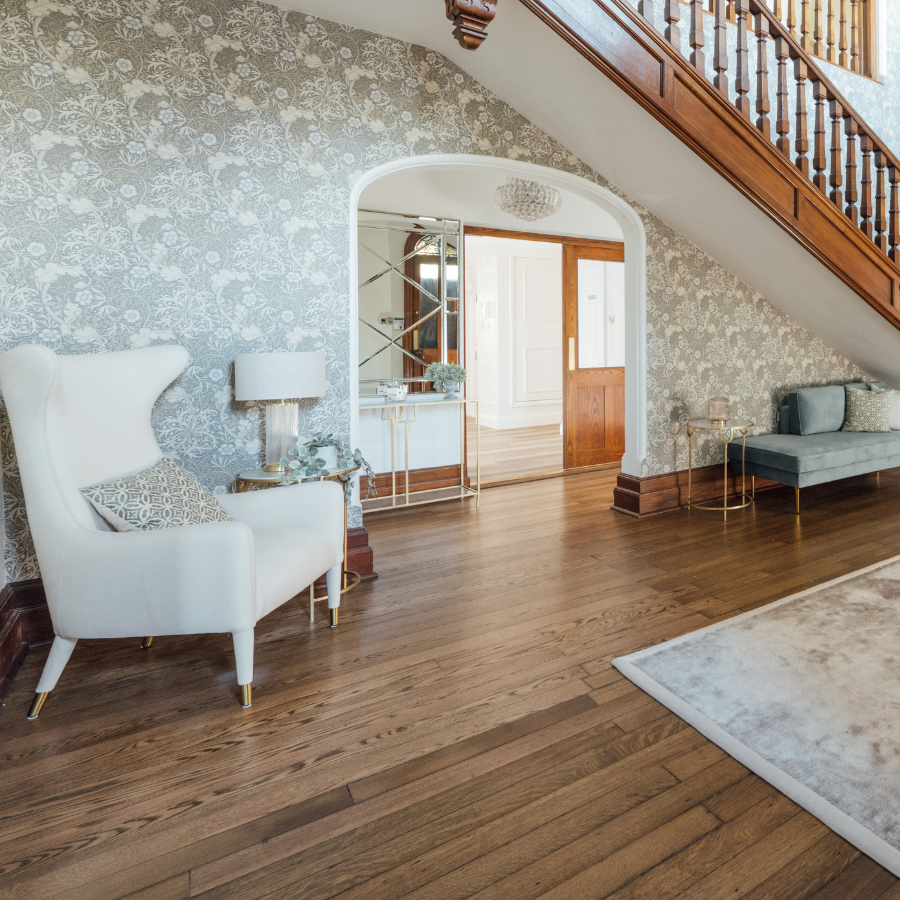
  • Making sure window treatments suit both brighter and darker days, consider roman blinds with sheer curtains overlayed for the best of both worlds.  

Designing with the full year in mind means your space will feel right all the time — not just on a sunny afternoon. For more ideas around lighting, read our blog – Maximise the Light in Your Home All Year Round.

A Note on Trends

We love to follow the trends, seeing what’s coming in and going out, new colours and the desirable designs — and they can be a brilliant source of inspiration. But we don’t follow trends just for the sake of it, and we don’t recommend that our clients do either.

Designing your home purely based on what’s in fashion now is one of the fastest ways to end up with a space that dates quickly — or never quite feels like you.

Instead, we start with you: your style, your lifestyle, your light, your space. From there, we might incorporate on-trend elements that work for the room — but only if they genuinely suit the feel you want to create. The result is a design that feels timeless and personalised to you.

Working With an Interior Designer

If you’re not sure about tackling a redesign project on your own, then it might be time to work with an interior designer. We can work with you throughout the project providing as much help as needed, from a full design to simply sourcing the perfect side table or sofa.

If you’re not sure whether a design service is for you, click here to read about the benefits of working with an interior designer.

Remember you can follow us on Facebook for more interior design ideas and inspiration, and contact us if you’re ready to kick off your design project.

Simple Ways to Reflect the Season with Colour

Colour has an extraordinary ability to transform a space. It can lift a tired room, add a sense of fun or calm, and even change how we experience light. But using colour well isn’t about following trends or painting everything the on-trend colours.  It’s about choosing tones with purpose — and knowing how to balance them to get the effect you want.

We are going to help you use colour confidently in your home. Read on and learn how to harness colour to reflect the summer season around us.

  • Start with the Feeling

The first step in using colour effectively isn’t picking paint — it’s understanding the feeling you want the space to create. Do you want a room to feel fresh and energised? Light and airy? Calm and grounding?

For example, blues and soft greens tend to evoke a sense of peace and spaciousness, making them perfect for bedrooms or home offices. Warm tones like earthy taupes and soft terracotta can bring a comforting glow — ideal for kitchens or living areas where you want warmth and welcome.

This emotional connection is where good colour choices begin. It’s also where our role, as interior designers, can be most helpful: interpreting how you want to feel and translating that into a practical palette that suits your home’s style, light and proportions.

To read more about the power of colour, click here to read our blog the power of colour.

  • Balance Your Colours

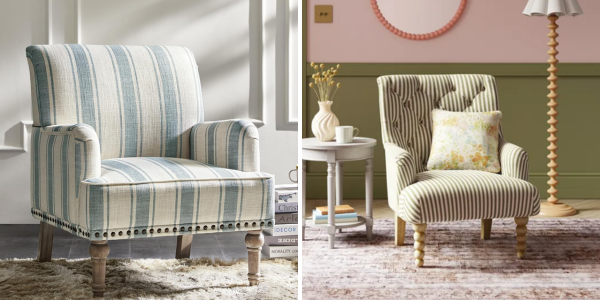
Strong colours and bold patterns can be beautiful, but they’re most effective when used with care. Rather than covering a whole room in vibrant tones, think about using them as highlights — a carefully planned feature wall doesn’t have to be cliche, it’s about ensuring the base tones are cohesive throughout the space and the wall feels planned and thought through – not added randomly – or try  a patterned chair, or a few key accessories such as lamps or artwork  against a neutral backdrop.

We love
 the Hulala Home Modern Accent Chair from Amazon and the Adrianna Linford Stripe Armchair from Dunelm. Stripes are working well right now, but also are more timeless than other prints

This not only creates more visual impact but keeps your space feeling calm and considered. Using colour in this way also gives you the flexibility to update your scheme easily — whether seasonally or simply when you fancy a change. A few cushions or ceramics in a new shade can change the mood of a room without changing everything.

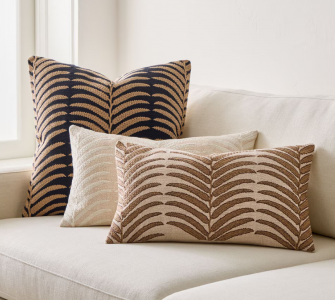
We love
 the Woven Palm Cushion Covers from West Elm which are easy to use and style as work well together to give a botanical feel with warm tones.

  • Swap in seasonal textures and fabrics

One of the easiest ways to refresh your space for summer is through textiles. Changing up cushions, throws or even curtains is a quick way to introduce colour without long term commitment — and it allows you to reflect the season with very little effort. If you’re using accessories for pops of colour, you can change the feel of the room whilst making sure the colours are balanced.

In summer, we tend to use more natural, breathable materials: cottons, linens and voiles. These not only feel lighter, but they carry colour in a soft, diffused way that suits the brighter days.

We love
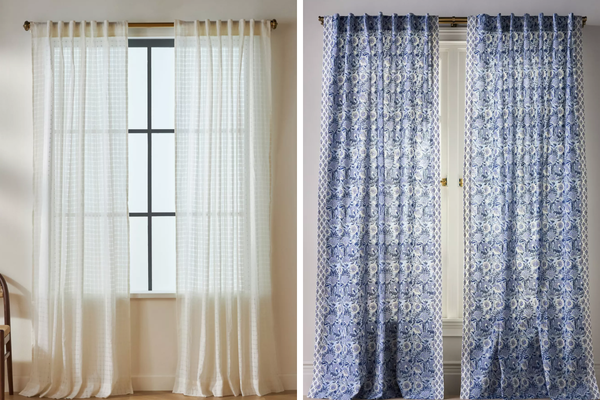
 The Sheer Grid Curtain from Anthropologie or for something bolder, go for the Cotton Woven Block Print Curtain also from Anthropologie.

  • Let nature inspire the palette

Summer is a season of rich, natural colour — and it’s the perfect time to bring the outside in. From floral tones to leafy greens and terracotta earth shades, nature provides one of the most timeless and satisfying palettes available.

Consider introducing cut flowers, indoor plants or terracotta pots on windowsills. These bring natural movement and softness to a room, and help create a visual link between indoor and outdoor spaces — especially in homes with gardens, patios or bifold doors. Faux florals and foliage is a great alternative to fresh flowers and plants if you’re not green fingered or want a low maintenance options.

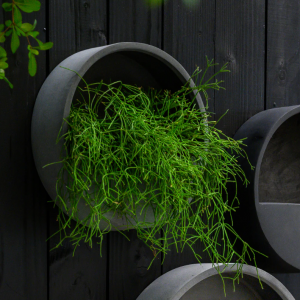
We have recently used the Wally Natural Plant Holders from Hortology in the renovation of Real Coffee Shop in Bedford with plants from Not Another Jungle. These two are just around the corner from each other, so why not grab a coffee and then head for a browse at the gorgeous greenery!

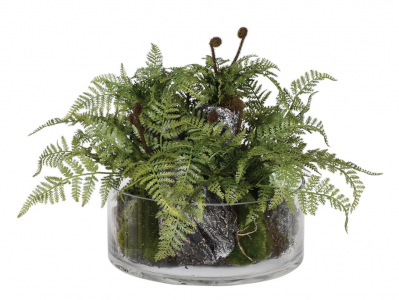
We have used the Moorside Faux Fern Ornament in a Glass Bowl from Shropshire Design multiple times with different clients. It’s perfect for areas where you want a wide but low-profile piece, such as coffee- or side-tables.

These small touches often do more to connect a room to the season than any trend-led makeover.

  • Avoid trend-chasing

At Interiors at 58 we keep up to date with trends and are often inspired by what is around us, we don’t, however, follow trends for the sake of it. This will lead to interiors that easily date and often aren’t quite right for your home. The choice is colour is deeply personal, and what works in one home might not feel right in another, or even if one area or your home or another as light can really affect the way a tone feels in a room. This is why we work with people – our clients – and not from trends. The goal is always to reflect your style, taste and lifestyle — not what’s current on social media.

Currently, we are seeing a rise in softer, sun-washed tones: muted greens, warm putty, earthy pinks and pale yellow accents. These colours are gentle but cheerful — and incredibly liveable. If these are right for you and your home, they could well be on the short list.

If you’re ready to bring more colour into your home but aren’t sure where to start, we’d love to help. Whether it’s a full redesign or a seasonal refresh, we can guide you in choosing the right palette, textures and details to reflect your style and bring your space to life — this summer and beyond. And remember, for more ideas and inspiration follow us on Facebook.

Interior Styling Inspired by Nature’s Palette

As the garden starts to bloom and warmer days are here to stay, it’s only natural to start thinking about how we can bring a little of that outdoor feeling indoors. The garden might be the star of the show in summer — but there’s something lovely about letting its influence spill into our interiors too.

There are lots of ways that you can bring the summer season indoors, regardless of your outdoor space. Use colour, materials, light and layout to make subtle inferences of summer. This all helps your home feel fresher, calmer and more connected to nature, and we going to help get you get started!

Let Nature Set the Palette

One of the easiest ways to mirror the outdoors in is through colour. Soft greens, warm terracottas, leafy neutrals and fresh floral tones all take their inspiration directly from nature — and they work beautifully inside. Think about introducing these tones through textured paint, natural feel soft furnishings, ceramics, or artwork. Just one or two well-placed touches can completely shift the mood of a space.

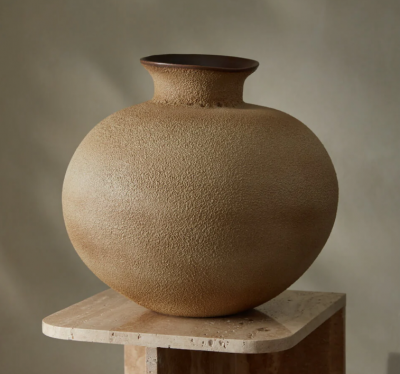
We love
 The Alvaro Round Vase from Layered Lounge; its bubbled texture, terracotta colour and rich glaze inside bring that natural look whilst adding interest to the room.

Bring in Natural Textures

Just as the garden is full of texture, your home can be too. Materials like rattan, jute, linen, bamboo and wood are timeless, versatile and work brilliantly through summer and beyond. From a woven lightshade to a wooden side table or a textured throw, these pieces help a room feel grounded, layered and easy to live in.

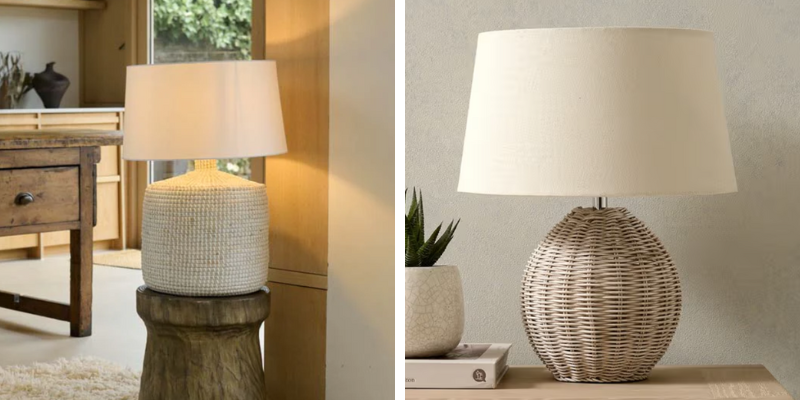
We love
 The Devoran Seagrass Table Lamp from Abigail Ahern and the Rattan Table Lamp from The Cotswold Company. The natural colours and fibres mean that both of these absolutely fit the brief.  

Add Life with Plants

Greenery brings freshness and softness into a home, instantly making it feel more alive and connected to the season. Whether it’s a potted plant, cut stems from the garden, or a vase of blooms on the table, these small touches create a sense of both joy and calm.

There are emotional benefits too — plants and flowers often make a space feel more welcoming and can subtly lift our spirits. Faux flowers and foliages have their place as well. With no need for upkeep, they’re ideal for low-light areas or busy lives, and with the right styling, they can offer great value, long-lasting impact, and a more sustainable approach to seasonal decor.

Think About the Light

Natural light is in abundance right now, so let’s make the most of it for an instant boost of brightness and freshness. Even small changes can help you take full advantage of it. Swapping out heavy curtains for soft linens or sheers is a simple way to let more sunshine in while still keeping a sense of privacy. Mirrors placed opposite windows can bounce light around and help open up smaller or darker spaces.

If you’re lucky enough to have garden views, frame them thoughtfully. Keep windows clear of clutter and choose window dressings that don’t steal the spotlight. The goal is to create a soft visual connection between inside and out — so even when you’re indoors, there’s a little bit of the outside coming in.

Create a Seamless Flow

If your home opens onto a garden or patio, it’s worth thinking about how those spaces relate to one another. Echoing colours, textures, and materials between adjoining rooms and outdoor areas can help create a natural sense of flow. It might be as simple as repeating a tone from your kitchen cabinetry in your plant pots outside, or mirroring the wood of a dining table in your choice of decking or outdoor furniture.

Soft furnishings are another lovely way to build that connection. Cushions, rugs, stools and side tables designed for indoor-outdoor use are becoming increasingly popular, and they allow you to create comfort and style that extends from one space to the next. Whether you’re enjoying the view from indoors or stepping outside with a drink, this kind of cohesion brings a calm, collected feel to both areas.

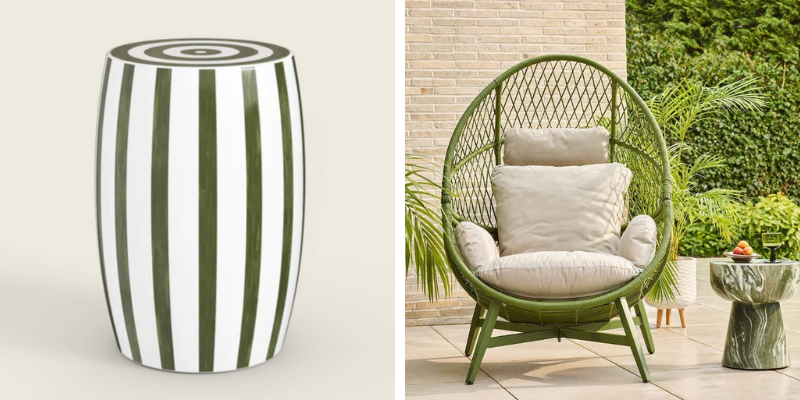
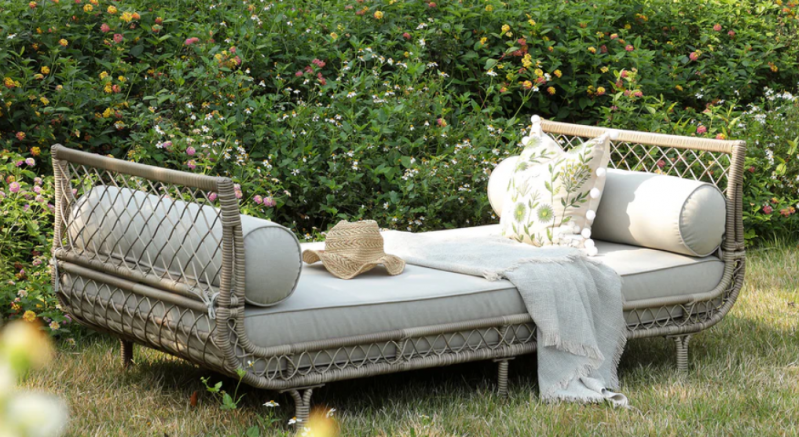
We love
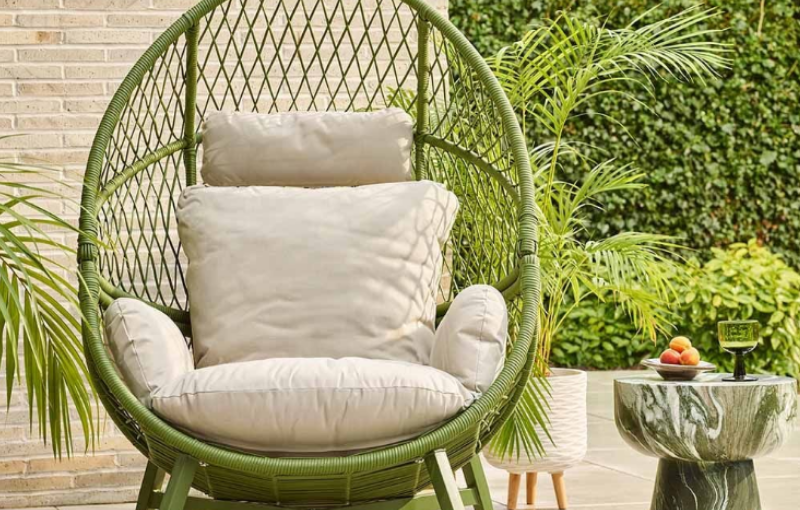
 The Rander Ceramic Stool from Oka  which can be used in- or outdoors, and can even double up as  a makeshift table if needed. The Lauren Cocoon Chair  from Atkin and Thyme is a wonderful addition in the garden, but could easily be installed in a conservatory to transition nicely from in to out.  Similarly, the Willowbrook  Lattice Weave Rattan Daybed from Daals can be the perfect place to relax inside or out.

Bringing the outdoors in doesn’t have to mean big changes — it’s about finding small ways to reflect the season, the light, and the life happening just outside your door. These subtle nods to the garden can help create a home that’s bright, relaxed, and full of seasonal ease — no matter what’s happening outside.

Remember to follow us on Facebook for more interiors design inspiration.

Naturally Beautiful Interior Design

We cannot avoid nature and its beauty right now. Spring is well and truly springing, we’re letting it inspire us — and we’d like to invite you to be inspired too. Nature and sustainability go hand in hand, and they’re very much front of mind at the moment.

When working on our clients’ design projects, sustainability is increasingly part of the conversation. That’s what inspired us to share a few thoughts on embracing natural materials in your home, choosing sustainably, and sourcing locally. Read on for our ideas and suggestions


The Power of Natural Materials in Your Home

Bringing natural materials into your home is one of the simplest ways to create a space that feels calm, comfortable, and connected to the world outside. Materials like wood, stone, clay, linen, and wool have been used in interiors for centuries — and for good reason. They’re hardwearing, timeless, and tend to get better with age.

Wood, for example, adds warmth and character — whether it’s oak flooring, a solid dining table, or simple shelving. Choosing reclaimed or sustainably sourced timber means you’re not just adding beauty but making an environmentally conscious choice too.

Stone, slate, and terracotta help ground a space, bringing in earthy textures that feel both rustic and refined. Meanwhile, natural fabrics like linen, wool, and cotton are ideal for soft furnishings — breathable, tactile, and often kinder to the planet than synthetic alternatives.

Using these materials helps create a home that feels considered, lived-in, and connected to nature — a space designed to last.

Why Sustainability Matters in Interior Design

Sustainability may be a buzzword, but when it comes to our homes, it really does matter. Interiors shouldn’t just be about how things look — it’s about knowing where items come from, how they’re made, and being confident they’ll stand the test of time.

Much like fast fashion, interiors can fall into the trap of “fast buys” — cheap, mass-produced pieces that only last a season or two before ending up in landfill. It’s wasteful, and often, these pieces feel impersonal.

Our advice? Buy the best quality you can afford. It’s definitely a case of quality over quantity. Well-made furniture and dĂ©cor last longer and usually carry more character too. Reclaimed wood, recycled materials, and vintage finds are brilliant ways to reduce your environmental impact while adding something truly unique to your home.

The Importance of Shopping Local

Shopping local isn’t just good for the community — it’s a brilliant way to add something truly individual to your home. Whether it’s handmade ceramics from a local potter or a piece of furniture crafted by a nearby workshop, these are the pieces that bring character and a real sense of place.

Buying from small businesses or local makers also helps reduce the environmental impact of mass production and long-distance shipping. Fewer miles travelled means a smaller carbon footprint — and it often means better quality, too.

There’s also something special about knowing the story behind the things you live with every day. When you buy local, you’re supporting someone’s craft, skill, and livelihood — and that connection makes your space feel all the more meaningful.

Some of our favourite local suppliers are: Not Another Jungle for plants; The Picture Gallery for framing; and JS Designs for kitchens.

Designing with Nature in Mind

It’s not just about the materials we choose — how we design and arrange our spaces can help create a stronger connection to nature. Thoughtful design choices make a home feel calmer and lighter.

Start by thinking about natural light. Maximising light lifts a space and blurs the line between indoors and out. Keep window dressings simple and opt for lighter fabrics that let the sunshine in — it makes all the difference as the days grow longer.

Choosing a natural, earthy palette helps bring the outdoors inside. Soft greens, warm neutrals, and muted blues create a restful backdrop and pair beautifully with wood, stone, and natural textiles. Layering different textures — linen, wool, ceramics — adds warmth and depth without overpowering the space.

Where you can, create sightlines to gardens or any greenery outside. Even the smallest view can help a room feel more connected to nature. And of course, adding plants indoors is always a good idea — they soften a space instantly and breathe life into your home.

Natural materials, sustainability, and thoughtful design can transform your home into a calm, beautiful space that feels connected to the world around you. By choosing quality, supporting local makers, and designing with nature in mind, you’ll create a home that not only looks good — but does good too. Remember to follow us on Facebook for more interior design inspiration.

Your Home as the Perfect Backdrop

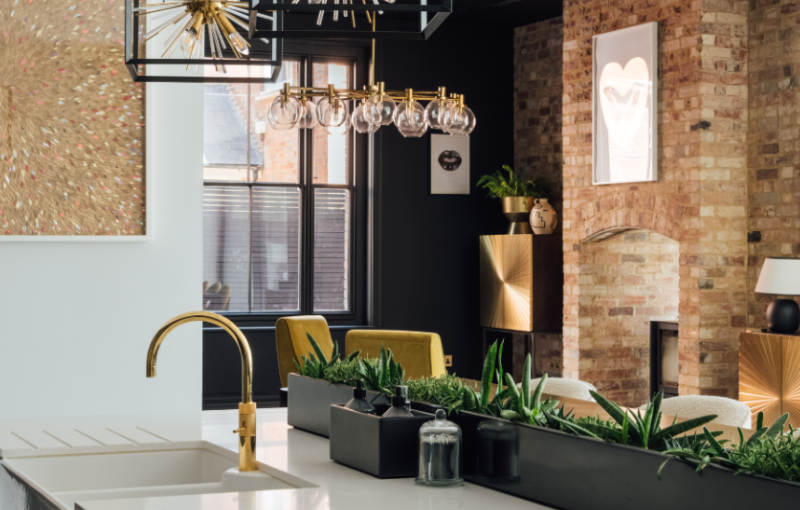
We recently had the pleasure of hosting Very at Interiors at 58 HQ for a location photoshoot. It inspired us to think about what should be considered if you are designing a space that works as both a welcoming family home and a stylish backdrop for photography, filming and events. Thoughtful design choices can effortlessly blend daily life and the practical demands of commercial needs. If you want to create a multipurpose space like this, or even just a space for yourself that looks Pinterest ready – read on!

A Home First

When you are creating a home that also serves as a stylish venue, your everyday life and needs should always be the priority however with some pre-planning you can have the best of both worlds. Life, especially with a family, can be messy and unpredictable – and your interiors need to be designed with that practicality in mind. Here are some ideas to consider:

  • Flexible layouts: Think open-plan living, easily movable partitions, or furniture that can be rearranged to suit different purposes quickly.
  • Multi-purpose furniture: Choose pieces that are lightweight, stackable, or foldable so they can adapt to family life but easily moved for a photoshoot.
  • Clever storage: Integrate hidden cupboards, built-in storage, and discreet baskets or chests so everyday items can be quickly stowed away before a shoot or event, or even just at the end of the day so that you can enjoy a relaxing evening.
  • Family-friendly finishes: Select hard-wearing, washable fabrics and durable flooring that withstand daily wear-and-tear and still look great on camera.

Prioritising these practical details will ensure your home remains inviting and comfortable for daily living, yet can be easily transitioned into a beautiful, versatile venue whenever you need it.

Versatility

With your daily life considered, now we want to make sure that the décor works for each purpose that you choose. Think about a backdrop for any events, while ensuring that your home still feels welcoming and inviting to you:

  • Choose neutral backdrops:
    Paint walls in soft, neutral shades like off-whites, greys, or warm taupe—these colours photograph beautifully and create a timeless, welcoming atmosphere that clients can make their own.
  • Layer lighting:
    Combine plenty of natural daylight with adjustable artificial lighting, such as dimmable lights, lamps, and spotlights, to suit different moods as well as professional requirements.
  • Flexible window coverings:
    Invest in curtains or blinds that quickly adjust to control natural light, ensuring perfect conditions for photography or filming.
  • Incorporate statement pieces:
    Distinctive furniture, artwork, or accessories – particularly those with a ‘current’ design feel will add visual interest and personality to your home, creating stylish focal points for shoots that will appeal to future clients .
  • Accessorise thoughtfully:
    Keep accessories curated and simple, making them easy to rearrange or remove depending on your clients needs.

All of these elements contribute to creating a space ready to hire out , but still allows for your personality to come through, and be a space that you can feel at home in.

Be different. Be interesting.

A beautifully designed home will be a joy to live in, and one with striking focal features will shine out amongst the wide range of home locations that are available to hire. Light fixtures, feature walls and statement mirrors are all examples of focal points you can create in your home.

  • Feature walls:
    Use wallpaper, paint, or textured materials to create a striking backdrop for still or video shoots.
  • Statement lighting:
    Eye-catching pendant lights, chandeliers, and stylish lamps add instant drama and depth.
  • Artwork or mirrors:
    Place carefully selected artwork or stunning mirrors strategically around your home for interest and to keep rooms light.

A home can be both a comfortable living space and a stunning venue with the right choices. If you need help achieving this, get in contact. For more interior designs ideas, follow us on Facebook.